The AI Titans: ChatGPT vs. Google Bard – A Deep Dive for Programmers
Unleashing the Power of Language Models
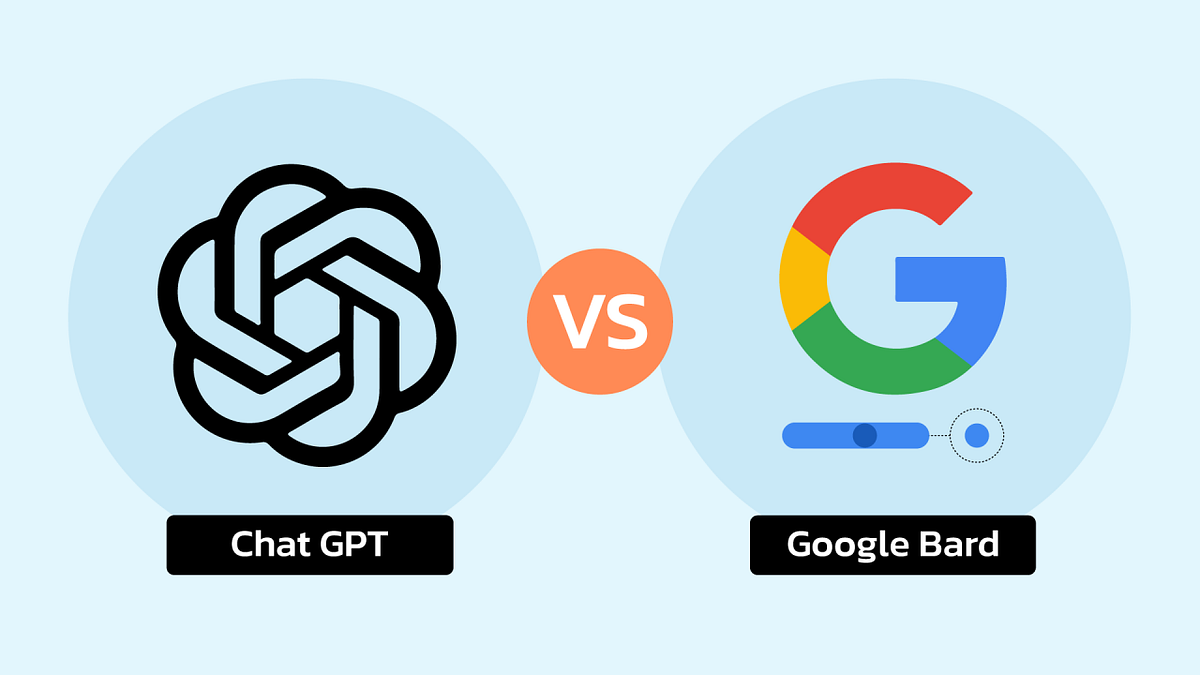
In the ever-evolving landscape of artificial intelligence, two giants have emerged as the frontrunners in the race to revolutionize the way we approach programming and problem-solving: ChatGPT and Google Bard. As an AI and LLM (Large Language Model) expert, I‘ve had the privilege of extensively testing and comparing these two powerful tools, and the insights I‘ve uncovered are nothing short of captivating.
The Backstory: Tracing the Origins
ChatGPT, the brainchild of OpenAI, and Google Bard, the latest offering from the tech behemoth, are both large language models trained on vast troves of data to engage in natural language processing and generation. While they share some fundamental similarities, such as their ability to understand and respond to human-like text, they also possess distinct differences that set them apart.
One of the key distinctions lies in their underlying models and training approaches. ChatGPT is built upon the GPT-3 architecture, which has become an industry standard for text-based AI tasks. This model, developed by OpenAI, has been hailed for its impressive performance in a wide range of language-related applications, from text generation to question answering.
On the other hand, Google Bard leverages the company‘s extensive search capabilities, allowing it to tap into a wealth of up-to-date information from the internet. This integration with Google‘s search engine gives Bard a unique advantage, as it can provide more comprehensive and timely responses to queries.
The Battle of the Titans: Comparing Capabilities
As an AI expert, I‘ve delved deep into the capabilities of both ChatGPT and Google Bard, putting them through a rigorous series of tests to uncover their strengths and weaknesses.
Writing and Coding Prowess
One of the key areas of focus has been the writing and coding capabilities of these AI assistants. In our tests, both ChatGPT and Google Bard have demonstrated impressive abilities to generate high-quality SQL queries, unit tests, and even explain and improve complex regular expressions.
However, a closer examination revealed some nuanced differences. While ChatGPT‘s responses tended to be more polished and consistent, Bard‘s ability to access real-time information gave it an edge in certain scenarios. For example, Bard was able to provide more up-to-date information on emerging technologies and frameworks, such as the Bun JavaScript runtime and Angular Signals.
This distinction becomes particularly relevant for programmers who need to stay on the cutting edge of their field. Bard‘s access to the latest developments and trends can be a game-changer, allowing them to make more informed decisions and stay ahead of the curve.
Research and Information Retrieval
One of the standout features of Google Bard is its seamless integration with Google‘s search engine. This allows Bard to tap into a vast repository of knowledge, enabling it to provide more comprehensive and up-to-date information on a wide range of topics. In contrast, ChatGPT‘s knowledge is limited to the information it was trained on, which can sometimes feel outdated or incomplete.
In our tests, Bard consistently outperformed ChatGPT when it came to answering questions about recent developments in the programming world, such as the latest Java conferences or the newest features in popular frameworks. This makes Bard a more valuable tool for researchers and developers who need to stay on the cutting edge of their field.
Multimodal Capabilities
Another area where Bard shines is its ability to handle multimodal inputs and outputs. Unlike ChatGPT, which is primarily text-based, Bard can accept and process images as input, as well as provide multimodal responses that combine text, images, and even diagrams.
This versatility can be particularly useful for tasks that involve visual elements, such as data visualization, user interface design, or even debugging complex code snippets. By leveraging Bard‘s multimodal capabilities, programmers can streamline their workflow and tackle a wider range of challenges with greater efficiency.
User Experience and Accessibility
Both ChatGPT and Google Bard offer intuitive and user-friendly interfaces, making it easy for programmers and non-technical users alike to leverage their capabilities. However, there are some notable differences in their accessibility and pricing models.
ChatGPT currently offers both free and paid versions, with the paid version (ChatGPT Plus) providing additional features and faster response times. Google Bard, on the other hand, is completely free to use as of now, making it a more accessible option for those on a budget.
This accessibility factor can be particularly important for individual developers, small teams, or those working in resource-constrained environments. By offering a free, high-quality AI assistant, Bard democratizes access to cutting-edge language technology, empowering a wider range of users to harness its capabilities.
Ethical Considerations: Navigating the Challenges
As with any powerful AI technology, both ChatGPT and Google Bard come with their own set of ethical considerations. Concerns have been raised about the potential for these tools to be used for misinformation, plagiarism, or even malicious purposes.
Both companies have made efforts to address these concerns, implementing safeguards and content moderation measures. However, the rapid pace of AI development means that ongoing vigilance and responsible development will be crucial to ensuring these tools are used ethically and for the betterment of society.
One key area of focus is the transparency and accountability of these AI systems. As they become more widely adopted, it will be essential to establish clear guidelines and best practices for their use, ensuring that users understand the limitations and potential biases of these tools.
Additionally, the ethical implications of AI-powered programming tools extend beyond just the immediate users. As these technologies become more ubiquitous, we must consider their broader impact on the job market, the nature of work, and the societal implications of automating certain programming tasks.
The Evolving Landscape: Navigating the Future
The battle between ChatGPT and Google Bard is a testament to the rapid advancements in AI technology and its potential to transform the way we approach programming and problem-solving. As these AI titans continue to evolve and expand their capabilities, it will be fascinating to see how the landscape of AI-powered tools in the programming domain unfolds.
Practical Recommendations: Leveraging the Strengths
When it comes to choosing between ChatGPT and Google Bard for programming tasks, the decision ultimately depends on your specific needs and priorities.
For general coding and writing tasks, both AI assistants are likely to perform well, with ChatGPT potentially offering a slight edge in terms of consistency and polish. However, if you need access to the most up-to-date information or have to tackle research-heavy projects, Google Bard‘s real-time search capabilities make it the more suitable choice.
Ultimately, the best approach is to experiment with both tools and leverage their respective strengths to maximize your productivity and efficiency. By understanding the unique capabilities of ChatGPT and Google Bard, you can become a more well-rounded and versatile programmer, equipped to tackle a wide range of challenges.
The Future of AI-Powered Programming
As these AI-powered tools continue to evolve, it‘s clear that the future of programming will be heavily influenced by their capabilities. Savvy programmers who learn to harness the strengths of ChatGPT, Google Bard, and other emerging AI assistants will undoubtedly have a significant advantage in the years to come.
Whether it‘s automating repetitive coding tasks, generating high-quality documentation, or providing real-time insights and recommendations, these AI tools have the potential to revolutionize the way we approach software development. By embracing this technology and understanding its limitations, programmers can unlock new levels of productivity, creativity, and problem-solving.
Conclusion: Embracing the AI Revolution
The battle between ChatGPT and Google Bard is a testament to the incredible progress being made in the field of artificial intelligence. As an AI and LLM expert, I‘ve been captivated by the sheer power and potential of these language models, and I‘m excited to see how they will continue to evolve and shape the future of programming.
Whether you‘re a seasoned programmer or just starting your journey, it‘s clear that understanding and leveraging the capabilities of AI-powered tools like ChatGPT and Google Bard will be essential for success in the years to come. By embracing this technology and learning to harness its strengths, you can unlock new levels of productivity, creativity, and problem-solving, positioning yourself at the forefront of the AI revolution.
So, my fellow programmers, I encourage you to dive in, experiment, and discover the transformative power of these AI titans. The future of programming is here, and it‘s time to seize the opportunities it presents.