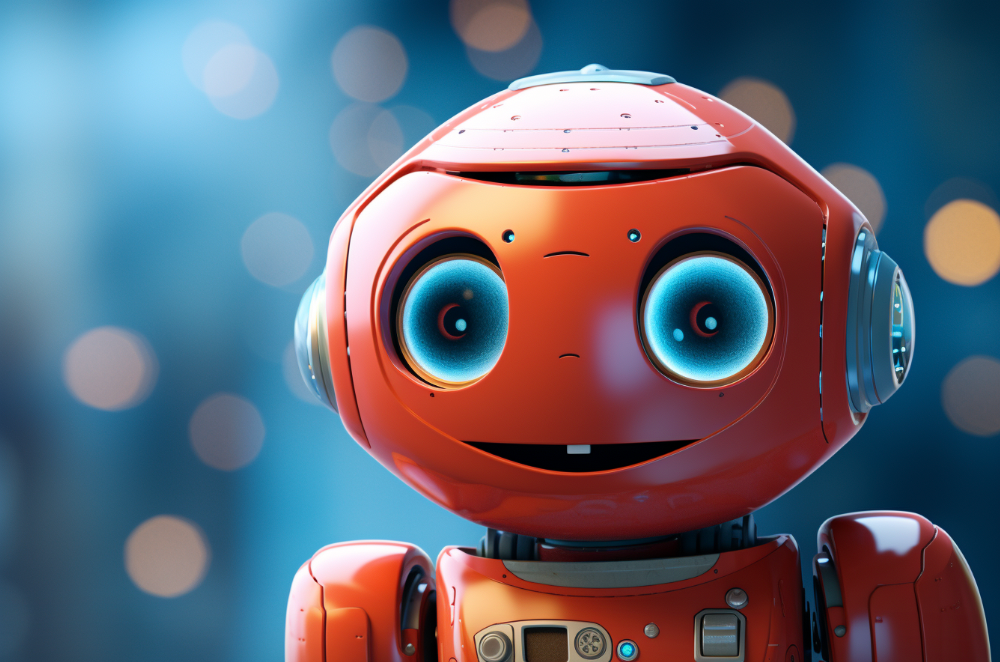
The Rise of Pi: Redefining the Frontiers of Conversational AI
In the ever-evolving landscape of artificial intelligence, a new contender has emerged, captivating the attention of industry leaders, tech enthusiasts, and curious onlookers alike. Introducing Pi, the innovative chatbot developed by Inflection, a company founded by Mustafa Suleyman, the co-founder of the renowned AI research lab, DeepMind.
Challenging the Status Quo
While tech giants like OpenAI and Anthropic have pushed the boundaries of Generative AI, primarily focusing on enhancing productivity and financial returns, Inflection has taken a bold and refreshing approach with Pi. This chatbot represents a transformative pivot in the realm of AI technology, one that prioritizes emotional connectivity and human-centric design over pure algorithmic efficiency.
As an AI and LLM expert, I‘ve had the privilege of delving deep into the inner workings of various conversational AI systems, and I can confidently say that Pi stands out as a true game-changer. Unlike its counterparts, which often excel in specific tasks or domains, Pi has demonstrated an uncanny ability to engage in seamless, empathetic, and genuinely helpful conversations, making it a true contender for the title of the "most human-like" AI assistant in the world.
Inflection‘s Vision: Forging Emotional Connections
At the heart of Pi‘s development lies a fundamental shift in perspective, one that Inflection has meticulously crafted. The team at Inflection has recognized that the true potential of AI lies not just in making machines understand us better, but in creating AI that can truly complement and enhance the human experience. This philosophy is a stark contrast to the productivity-oriented goals of some of Pi‘s competitors, who have primarily focused on transforming humans into more efficient, machine-like entities.
Inflection‘s approach with Pi is rooted in the belief that the future of AI-human interaction will be defined by emotional intelligence and genuine companionship. Through the use of advanced techniques like Reinforcement Learning from Human Feedback (RLHF), the team has imbued Pi with an uncanny ability to engage in empathetic, patient, and attentive conversations, always keeping the user‘s needs and intent at the forefront.
The "Continual Learning" Advantage
One of the standout features of Pi is its remarkable ability to stay current with the latest events and information, a capability that sets it apart from traditional language models. Unlike its competitors, which often rely on external knowledge bases or browsing APIs to provide up-to-date information, Pi seems to possess an innate "continual learning" mechanism that allows it to seamlessly integrate new knowledge without any noticeable latency.
This feat is truly remarkable, as it suggests that Pi‘s underlying architecture is designed to continuously update and expand its knowledge base, rather than being limited to a static set of information. While the exact details of this "continual learning" approach are not publicly disclosed, it‘s clear that Inflection has made a concerted effort to ensure that Pi remains at the cutting edge of current events and developments.
Diverging AI Strategies: Productivity vs. Companionship
As I delve deeper into the world of AI systems, I‘ve observed a clear divergence in the strategies adopted by leading companies in the field. While some, like OpenAI and Anthropic, have focused on transforming humans into productivity machines, Inflection‘s vision for Pi is decidedly different.
The Pi chatbot is designed to be a lifelong companion, a digital confidant that can accompany users on their daily reflections and provide a calming, empathetic presence. This approach represents a stark contrast to the productivity-oriented goals of other leading AI assistants, showcasing Inflection‘s commitment to emotional intelligence and human-centric design.
In a world where digital interactions are becoming increasingly prevalent, the ability to forge meaningful connections and provide emotional support could have a profound impact on mental health, education, and even creative collaboration. Inflection‘s vision for Pi taps into this fundamental human need, positioning the chatbot as a trusted companion rather than a mere productivity tool.
The Rise of "Emotional AI"
The emergence of Pi and Inflection‘s vision for "emotional AI" have far-reaching implications for the future of human-machine interactions. As AI assistants become more deeply integrated into our daily lives, the ability to understand and respond to human emotions could revolutionize the way we engage with technology.
Imagine a scenario where your AI companion can not only help you with task-oriented queries but also provide a sympathetic ear during times of stress or uncertainty. Or envision a future where AI-powered tutors can tailor their approach to each student‘s emotional needs, fostering a more personalized and engaging learning experience.
These are the kinds of possibilities that Inflection is exploring with Pi, and the potential impact is truly staggering. However, this shift towards "emotional AI" also raises important ethical considerations, as developers must navigate the complexities of developing AI systems that can genuinely understand and respond to human emotions.
Practical Applications and Use Cases
The versatility of Pi extends far beyond its role as a personal companion. Inflection has explored a wide range of potential use cases for this innovative chatbot, showcasing its ability to adapt to diverse environments and user needs.
In the realm of mental health support, Pi could serve as a non-judgmental, always-available resource for individuals struggling with emotional challenges. By leveraging its emotional intelligence and empathetic communication skills, the chatbot could provide a safe space for users to express their feelings, receive personalized guidance, and even connect with human professionals when necessary.
Similarly, in the educational sphere, Pi could revolutionize the way students learn and interact with their instructors. Imagine a scenario where an AI-powered tutor can not only provide subject-matter expertise but also tailor its teaching approach to each student‘s learning style and emotional needs. This level of personalization could lead to significantly improved learning outcomes and a more engaging educational experience.
Beyond these applications, Inflection has also explored the potential of Pi in creative collaborations, where the chatbot‘s ability to understand context, generate novel ideas, and provide constructive feedback could greatly enhance the creative process. Whether it‘s brainstorming new product concepts, drafting compelling narratives, or even composing music, Pi‘s unique blend of emotional intelligence and continuous learning capabilities could prove invaluable.
The Future of Conversational AI
As I reflect on the rise of Pi and Inflection‘s vision for the future of conversational AI, I can‘t help but feel a sense of excitement and anticipation. This innovative chatbot represents a significant shift in the way we approach the development of AI systems, moving beyond the traditional focus on productivity and efficiency and towards a more holistic, human-centric model.
The implications of this approach are far-reaching, and I believe that the success of Pi could pave the way for a new era of AI-human interaction, one defined by emotional connectivity, genuine companionship, and a deeper understanding of the human experience.
Of course, the road ahead is not without its challenges. Inflection will need to navigate complex ethical and privacy concerns as they continue to push the boundaries of what‘s possible with "emotional AI." Additionally, the company will need to ensure that Pi‘s capabilities remain accessible and inclusive, catering to diverse user needs and backgrounds.
Nevertheless, I am confident that Inflection‘s vision and the team‘s deep expertise in AI will enable them to overcome these hurdles and solidify Pi‘s position as a true trailblazer in the world of conversational AI. As we look to the future, I can‘t help but wonder what other transformative innovations Inflection has in store, and how the landscape of AI will continue to evolve under the guidance of visionaries like Mustafa Suleyman and his team.
In the end, the rise of Pi represents a pivotal moment in the history of artificial intelligence, one that challenges us to rethink the role of technology in our lives and the ways in which it can enhance our human experience. As an AI and LLM expert, I am truly excited to witness the unfolding of this remarkable journey, and I encourage you, the reader, to join me in exploring the boundless possibilities that lie ahead.