Unleashing the Power of React in No-Code and Low-Code App Development
As an Artificial Intelligence and LLM expert, I‘m thrilled to share my insights on how the revolutionary React library can be seamlessly integrated into the world of no-code and low-code app development. In today‘s rapidly evolving digital landscape, the demand for efficient, visually appealing, and user-centric applications has skyrocketed. Fortunately, the convergence of React, a powerful JavaScript library for building user interfaces, and the rise of no-code and low-code platforms, has opened up new avenues for both seasoned developers and aspiring entrepreneurs to bring their ideas to life.
Embracing the React Revolution
React, developed and maintained by Facebook, has firmly established itself as a game-changer in the world of front-end web development. Its component-based architecture, virtual DOM, and declarative approach to building user interfaces have made it a preferred choice for developers across the globe. But the true power of React lies in its versatility and adaptability, which has enabled its seamless integration into the no-code and low-code ecosystem.
Unlocking the Potential of React in No-Code Platforms
No-code platforms, such as Bubble, Appian, and Webflow, have revolutionized the way we approach application development. These innovative tools empower users, regardless of their coding expertise, to create robust and visually stunning applications by simply dragging and dropping pre-built components and customizing them to their needs. And where does React fit into this equation? Quite seamlessly, as it turns out.
Many of these no-code platforms have recognized the value of React and have integrated it into their offerings, allowing users to leverage the power of this renowned library to build their applications. By incorporating React, these platforms can provide users with a more robust and flexible set of UI components, enabling them to create truly unique and engaging user experiences.
Bridging the Gap with Low-Code Solutions
While no-code platforms have opened the doors for non-technical users to dive into app development, there are instances where a bit more technical expertise is required. This is where low-code solutions come into play, offering a middle ground between traditional coding and no-code approaches.
Low-code platforms, such as Appian, OutSystems, and Mendix, provide users with a visual development environment, but also allow for the integration of custom code, including React components. This empowers developers and tech-savvy individuals to harness the full potential of React, while still benefiting from the rapid development and deployment capabilities of low-code tools.
Mastering the Atomic Design Approach
As you delve deeper into the world of React-powered no-code and low-code app development, you‘ll undoubtedly encounter the Atomic Design methodology. This innovative approach to building design systems has proven to be a game-changer, and when combined with the flexibility of React, it can elevate your application‘s user experience to new heights.
Deconstructing the Atomic Design Principles
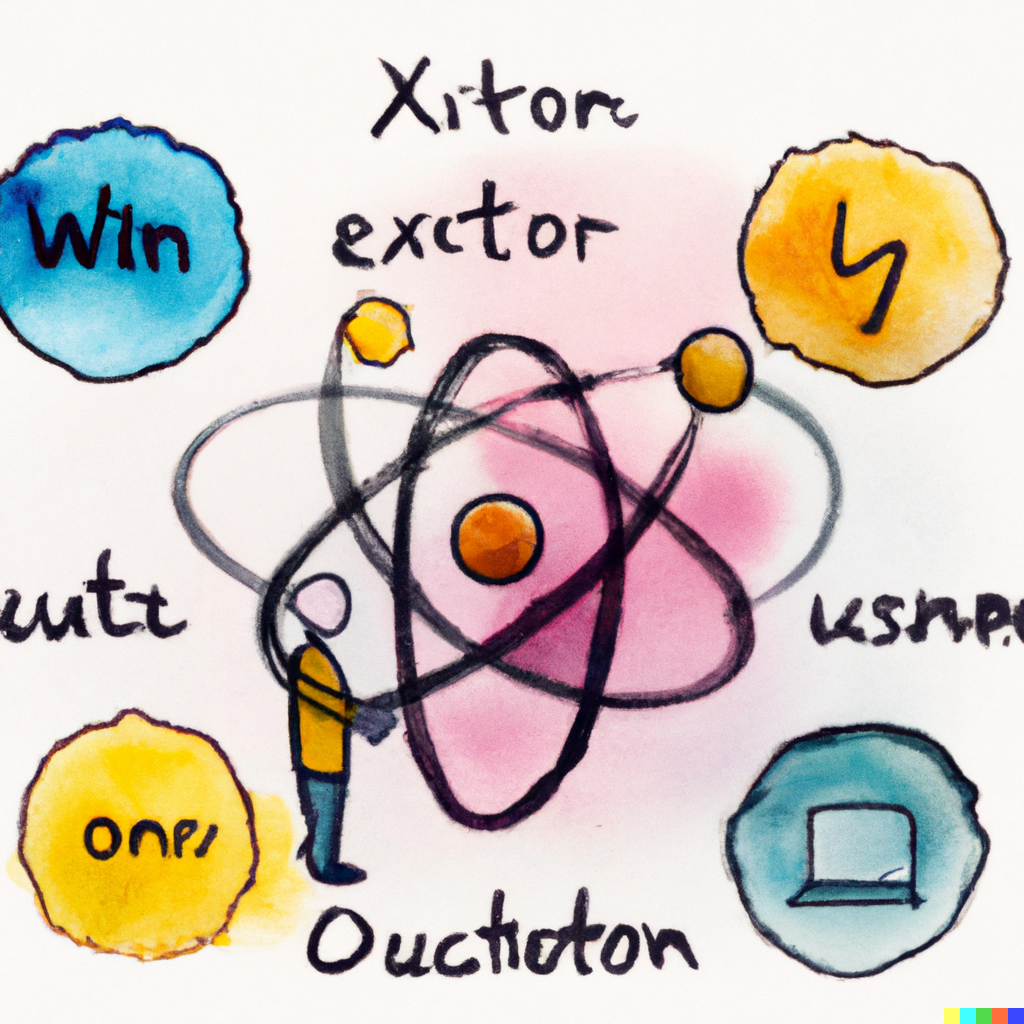
Atomic Design, pioneered by Brad Frost, is a methodology that breaks down a user interface into its smallest, most fundamental building blocks, known as atoms. These atoms, such as buttons, inputs, and typography, can then be combined to form more complex components, called molecules and organisms, which can be further assembled into templates and pages.
By embracing the Atomic Design approach, no-code and low-code platforms can provide users with a structured and scalable way to build their applications. React‘s component-based architecture aligns seamlessly with this methodology, allowing developers to create reusable and modular UI components that can be easily shared and maintained across the entire application.
Enhancing Consistency and Scalability
One of the key benefits of integrating Atomic Design with React-powered no-code and low-code platforms is the enhanced consistency and scalability of the resulting applications. When the development process follows a well-defined design system, the UI components share a common look, feel, and behavior, ensuring a cohesive and visually appealing user experience.
Moreover, as the application grows and evolves, the Atomic Design approach makes it easier to maintain and update the codebase. Changes to the design system can be quickly propagated throughout the application, reducing the time and effort required for updates and improvements.
Streamlining the Design-Development Collaboration
The Atomic Design methodology also facilitates a more seamless collaboration between designers and developers. Designers can focus on crafting the overall visual and interaction design, while the no-code or low-code platform can automatically generate the corresponding React components and templates.
This collaborative approach allows for faster feedback loops, as designers can quickly validate their ideas and receive input from developers, without the need for extensive coding knowledge or back-and-forth communication. The resulting UI components not only adhere to the established design system but also leverage the power of React to deliver a truly engaging and responsive user experience.
Harnessing the Power of ChatGPT for Enhanced Productivity
As an Artificial Intelligence and LLM expert, I can‘t help but highlight the incredible potential of integrating ChatGPT, the groundbreaking language model developed by OpenAI, into the no-code and low-code app development ecosystem. By leveraging the capabilities of ChatGPT, these platforms can take the user experience to new heights, empowering both technical and non-technical users to create applications that are tailored to their specific needs.
Contextual Code Generation with ChatGPT
One of the most exciting applications of ChatGPT in the no-code and low-code space is its ability to generate code snippets and templates that align seamlessly with the user‘s input and the application‘s requirements. By fine-tuning the ChatGPT model on a dataset of React-specific code samples and design patterns, these platforms can leverage the model‘s natural language processing capabilities to understand the user‘s intent and generate the necessary code to bring their vision to life.
Imagine a scenario where a user wants to create a new React component that displays a list of items. Instead of manually coding the component, the user can simply input a natural language prompt, such as "I want to create a React component that displays a list of items," and the fine-tuned ChatGPT model will generate the corresponding code snippet:
import React, { useState, useEffect } from ‘react‘;

const ItemList = () => {
  const [items, setItems] = useState([]);

  useEffect(() => {
    // Fetch items from an API or data source
    const fetchItems = async () => {
      const response = await fetch(‘/api/items‘);
      const data = await response.json();
      setItems(data);
    };
    fetchItems();
  }, []);

  return (
    <div>
      <h2>Item List</h2>
      <ul>
        {items.map((item) => (
          <li key={item.id}>{item.name}</li>
        ))}
      </ul>
    </div>
  );
};

export default ItemList;
The user can then seamlessly integrate this code snippet into their no-code or low-code platform, allowing them to customize and expand the functionality of the React component without the need for extensive coding knowledge.
Enhancing the Development Workflow with Suggestions and Autocomplete
In addition to generating code snippets and templates, ChatGPT can also provide users with suggestions and autocomplete functionality, further streamlining the development process. As the user types, the fine-tuned model can offer relevant code suggestions or complete partially written code, allowing the user to quickly select and incorporate them into their application.
This intelligent assistance can be particularly beneficial for users who are new to React or have limited coding experience. By providing contextual suggestions and completing common patterns, ChatGPT can help bridge the gap between the user‘s intent and the actual implementation, boosting productivity and reducing the risk of errors.
Aligning with User Needs and Preferences
The true power of ChatGPT-powered no-code and low-code platforms lies in their ability to not only generate code but also to enhance the overall user experience. By leveraging user research data and fine-tuning the ChatGPT model accordingly, these platforms can generate code that is tailored to the specific needs and preferences of the target audience.
Imagine a scenario where user research reveals that the target audience prefers a more minimalist and intuitive UI. The fine-tuned ChatGPT model can then generate React components and templates that align with these preferences, resulting in a user interface that is easy to navigate and visually appealing.
Moreover, the integration of ChatGPT and user research data can facilitate an ongoing process of user experience improvement. As the platform collects more user feedback and data, the ChatGPT model can be continuously fine-tuned and updated, ensuring that the generated code and UI components remain relevant and responsive to the evolving needs of the users.
Navigating the No-Code and Low-Code Landscape
As you delve deeper into the world of React-powered no-code and low-code app development, it‘s essential to understand the nuances and considerations that come with navigating this dynamic landscape.
Evaluating No-Code Platforms
When it comes to no-code platforms, it‘s crucial to assess their level of React integration and the overall flexibility they offer. Some platforms may provide a more limited set of React components or may require additional technical expertise to fully leverage the library‘s capabilities. It‘s important to research and evaluate the platform‘s features, community support, and the level of customization and extensibility it provides.
One platform that has gained significant traction in the no-code space is Bubble. Bubble offers a robust visual development environment that seamlessly integrates with React, allowing users to create complex and visually stunning applications without writing a single line of code. The platform‘s active community and extensive library of pre-built components make it an attractive option for those looking to harness the power of React in a no-code setting.
Exploring Low-Code Solutions
For those seeking a more technical approach, low-code platforms can provide a middle ground between traditional coding and no-code development. These solutions often offer a visual development environment while still allowing for the integration of custom code, including React components.
Platforms like Appian, OutSystems, and Mendix have recognized the value of React and have incorporated it into their offerings. This enables developers to leverage the flexibility and performance of React, while still benefiting from the rapid development and deployment capabilities of low-code tools.
When evaluating low-code platforms, it‘s essential to consider factors such as the level of React integration, the availability of pre-built components, the ease of custom code integration, and the overall ecosystem and community support.
The Future of React in No-Code and Low-Code Development
As we look towards the future, the convergence of React, no-code and low-code platforms, and the power of AI-driven tools like ChatGPT, the possibilities for creating innovative and user-centric applications are truly boundless.
Democratizing App Development
The integration of React into the no-code and low-code ecosystem has the potential to democratize app development, empowering a wider range of individuals and organizations to bring their ideas to life. By providing users with the ability to create visually stunning and highly functional applications without the need for extensive coding expertise, these platforms are lowering the barriers to entry and enabling a new generation of digital entrepreneurs to thrive.
Enhancing Collaboration and Productivity
The seamless integration of Atomic Design principles, ChatGPT-powered code generation, and React-based UI components can significantly enhance the collaboration and productivity of design and development teams. By streamlining the feedback loop and enabling non-technical users to participate in the app creation process, these platforms can foster a more inclusive and efficient development workflow.
Continuous Improvement and Personalization
The integration of user research data and the ongoing refinement of ChatGPT models within no-code and low-code platforms can lead to a future where applications are continuously evolving and adapting to the needs of their users. As these platforms collect more user feedback and data, the generated code and UI components can be iteratively improved, ensuring a personalized and engaging user experience that remains relevant and responsive over time.
Expanding the Reach of React
As the no-code and low-code landscape continues to grow, the integration of React will likely expand beyond the web development domain. Platforms that cater to mobile app development, IoT, and even enterprise-level applications may start to incorporate React, further solidifying its position as a universal language for building user interfaces.
Embracing the Future of No-Code and Low-Code React Development
In conclusion, the integration of React into the no-code and low-code app development ecosystem represents a transformative shift in the way we create digital experiences. By harnessing the power of this renowned JavaScript library, combined with the flexibility of no-code and low-code platforms, and the intelligence of AI-driven tools like ChatGPT, we are witnessing the dawn of a new era in application development.
As an Artificial Intelligence and LLM expert, I‘m excited to see how the continued evolution of these technologies will empower both technical and non-technical users to bring their ideas to life with unprecedented ease and creativity. The future of no-code and low-code React development is bright, and I encourage you to embrace this exciting opportunity to unlock your full potential and contribute to the shaping of this dynamic landscape.