Can You Have Two Internet Providers in One House?
Do you think having an additional internet service provider (ISP), in your house will solve your internet issues? Or are you finding it hard to agree with your roommate on how to split the internet bill? Well, it is possible to have two internet providers in one house. Whether it is easy, beneficial, or advisable is what this article covers. It also offers possible alternatives if you have a change of heart.
Why Have Two ISPs in One House?
The demand for two or more ISPs in one household has increased over the years. Unfortunately, there is no one-size-fits-all ISP, meaning finding one that can provide an uninterrupted high-speed internet connection is a challenge. Besides, with many people working from home, some roommates tend to disagree on the internet bills. These issues raise the need to have more than one ISP. Other reasons include overwhelmed connections, the option for better ISP services, and future-proofing.
Overwhelmed Connections
The development of the Internet-of-Everything has significantly increased the number of connected devices in houses. From thermostats to home security, smart TVs, refrigerators, and feature-filled smartwatches — almost all modern home electronics need an internet connection. In such a case, additional bandwidth is necessary, and having a second ISP promises that.
Better ISP Services
Sometimes, older ISPs get slower, more expensive, or may have lower data caps than new providers with the latest internet technology. Yet some prefer installing the infrastructure of the new ISP without disconnecting the old reliable, albeit slower, ISP.
Future-Proofing
Considering that internet needs have grown over the years, making plans for multiple ISP installations is the way to go. That explains why in new homes, owners often make provisions for the possibility of having two or more internet providers.
Benefits of Dual Internet Connections
Some of the advantages of having multiple ISPs in a single home or house include stability, more choices, the ability to split home networks, and the ease of splitting the bills.
Stability
Having two ISPs in your home increases the available bandwidth to the home and also makes it possible to use one as a backup. For example, you can begin using the main ISP, but when it becomes unstable or reaches its data limit before the end of the month, you can shift to the second one.
More Choices
With two ISPs, you have choices — including access to different promotional offers. For example, you can have Provider A with annual contracts and then add an ISP that requires no contracts. That way, you can buy another internet plan with the second provider without terminating the existing contract with Provider A and incurring a breach of contract penalty.
Ability to Split Home Networks
When you have multiple ISPs, you can specify which provider your different home devices will connect to. For example, you can have all your smart appliances connected to one ISP and the computers, smart TVs, and gaming consoles connected to another.
Ease of Splitting Bills
Where the home has two or more independent residents, having different ISPs makes it easier for each user to manage their internet usage. Also, it becomes an ideal solution where roommates prefer different service providers.
How To Get Multiple ISPs in Your House
Are you planning to get two internet providers to service your house? Whether it is possible or not will depend on these four factors:
- Current connection type
- Current providers
- Your location
- Your budget
Current Connection Type
There are three main types of internet connections. The first one is the Digital Subscriber Line (DSL), in which the ISP uses the existing telephone cables to supply internet to a home. The second one is cable internet, in which the provider uses the same TV cable to deliver internet; it is faster than DSL. The third is fiber internet, where the provider runs fiber cables to the premises.
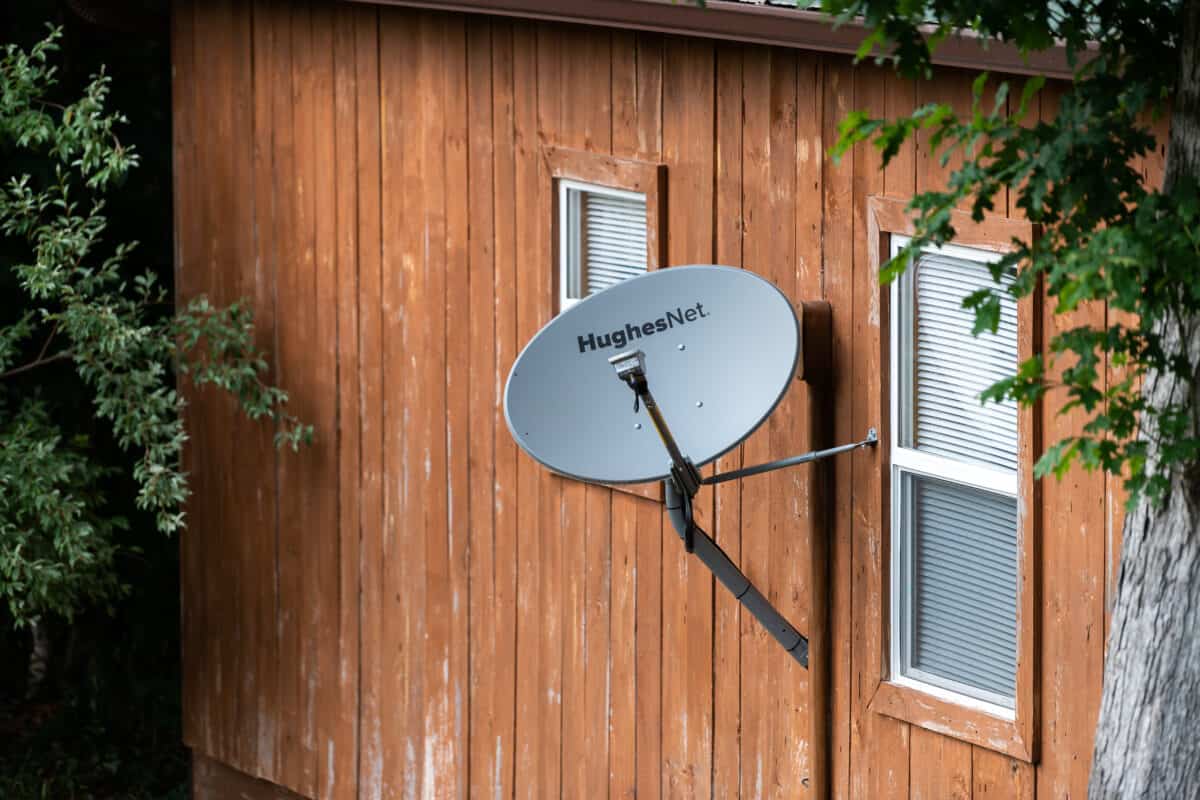
Having two ISPs use the same broadband technology to supply the same house is impossible. The only way is to ensure each ISP uses a different connection type. Thus, you can settle for a DSL and cable or fiber solution. Alternatively, you can opt for satellite or fixed wireless access. Satellite internet is the slowest of all but it’s very accessible, while fixed wireless is a new technology not available in most areas yet.
Current Providers
As in any business, competition is real in the ISP industry. Some ISPs have monopolies in certain regions, and you would not be able to use another provider. In fact, in some cities and states, only a few selected ISPs are licensed to operate. Woe unto you if they all offer the same types of connections. Also, if you are living in an apartment, you need to talk with its management to find out if you can add an ISP to the existing connection.
Your Location
The area where you reside is also important. Some types of internet connections may be more reliable in your area than others. For example, adding satellite internet in rural areas might be easier than fiber internet. Ensure you find out the ISPs that are the most reliable for your location.
Budget
Finally, once you have your ISPs sorted out, check your budget. Sometimes, it can be costly to have an additional ISP, especially if the provider must build its own line to your house.
What You Must Know Before Having Two ISPs in Your House
Despite the possibility and the benefits of having multiple ISPs in the same house, it has several challenges, which might make it difficult to pull off. They include:
Monopoly: In most states across the US, big companies have monopolized the markets, making it hard to find another option in certain areas.
Costly: Having two ISPs is like buying one twice; it can be costlier than sharing the bill with your roommate. The fixed wireless access, for example, comes with high equipment fees of almost $400, excluding subscription and installation fees. With the same amount, you can get a 12-month contract with most cable internet providers.
Possible interference: It is almost certain that the providers will interfere with your network during installation, especially if your home network is complex. It is important to inform the technicians installing your first internet network of your plans to have a second one. Or when technicians install a second one, inform them of the existing ISP to ensure they do not interfere with the old line.
Note that professional technicians will also give you free counsel on how to optimize your networks. One way is by separating the two ISPs’ networks. You can do it by equipment, purpose (business and family), rooms, or even floors. These will depend on several factors, such as where the wires are installed and the position of routers and modems.
Do you still want to have two ISPs in your house? If yes, here are some factors for you to consider when adding the ISP. Otherwise, scroll down to learn about some alternatives.
Factors To Consider When Adding an ISP to Your Home
The internet is an important utility, and for you to enjoy its comfort and convenience, you need to find a solution that promises reliable internet access. To stop biting the bullet every time your existing internet goes out, here are some factors to keep in mind when adding another ISP.
The Type of Connection and Availability
You cannot have a second DSL or fiber connection, but before you go for a cable internet option, understand what you will get in terms of the speeds, data caps, and the plans the provider offers. Generally, the parameters will help you decide if the internet you are eying will be a good fit for you.
However, of utmost importance, consider the availability of the specific internet connection. Fiber internet is the fastest, offering up to 5Gbps, however it’s not available in some areas. Satellite connection is notoriously slow but more widely available, especially in underserved areas. On the other hand, cable and DSL internet connections are fast, widely available, and offer cheaper plans. Still, the speed and internet quality of the two connections depends on the number of users and your location.
Bandwidth
The second ISP should offer more bandwidth than the current one, especially if lagging connectivity is one of the reasons why you want to add another ISP to the house. Consider both speed and data limits. Some providers have lower speeds but with unlimited data caps, while others have fast internet but with strict data limits.
Customer Service
Aim to find an ISP that can offer you quality customer support. Go through the ISPs Service Level Agreement. That way, you can tell whether the service provider is reliable. Also, online reviews can give you an idea of what to expect if you face a technical issue.
Tax Implications
If you use the internet for business, you can deduct your internet-related expenses from your taxes. However, things get complicated when you do not use the internet exclusively for business purposes. To qualify for the home tax deduction, you might have to separate business networks from the home network. It will help track your business-related expenses easily.
Alternatives to Having Two Internet Providers in One House
Having two ISPs in one house can be costly or impossible. However, some workarounds can solve your issues. However, you might have to buy a higher data plan to use these alternatives effectively.
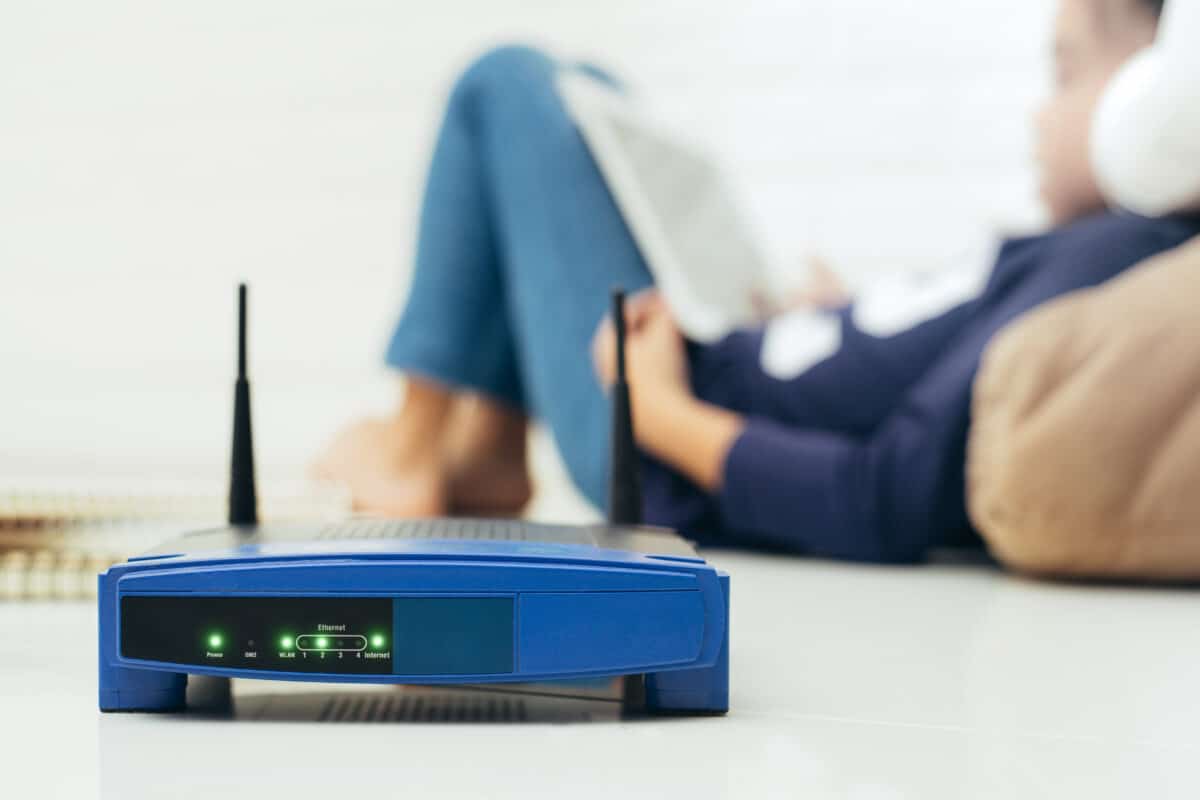
Use Two or More Routers
Adding another router is the best option if you and your roommate cannot agree on who uses more bandwidth. Here you will have two separate networks, which makes it possible to track the usage of each router.
Multiple routers are also ideal if you wish to have some devices on separate networks. For example, instead of having an additional ISP for your smart appliances, you can connect them to a separate router.
This is a long-term solution. However, getting a good router will cost you some bucks, and you might need to have a technician set up the networks for you.
Hotspot Your Internet
It is simpler and free, but less permanent than the first alternative. You can use the mobile hotspot feature on your computer to create a second network within your home. If you are using a desktop computer, you can connect all the other devices within range to that hotspot.
With this option, you can create as many networks as possible in your home and around it. It is also a good alternative when you need to provide internet access to your guests, but you are wary of giving them access to your home network.
All in all, having two ISPs in one home is possible, and recommended, as it offers better bandwidth, more stability, and room to choose different options!
Frequently Asked Questions
How can I know the internet providers servicing my house?
Ask the owner or property manager if you live in a rented house. Alternatively, check the ISPs on placards or signs around your area and call to see if they provide service to your location.
Can I add an internet provider to an apartment?
It is possible, provided the property management approves it.
Does having more Wi-Fi routers increase internet speed?
The overall internet speed in the house depends on the speed offered by your ISPs. For example, if your internet plan gives you 330Mbps, having two or more routers does not increase that; they share it. However, if your current router is rated 200Mbps, for example, adding a router with 350Mbps-rating will appear to speed up the internet connection, which is basically increasing the bandwidth utilization to 330Mbps.
Does having two ISPs make my home network more secure?
Some ISPs provide warnings when they detect devices sending or receiving malicious traffic, while others block known spoofing IP addresses. However, these are not reliable security measures. The only way to secure your home network is to install DNS sinkholes such as Pi-hole.
Can the two ISPs interfere with each other?
If the connections are properly done, no. Otherwise, improper router and switch configurations might cause interferences between the two ISPs.
Should I have an ISP for entertainment and another for business?
You do not need to, as having two routers can help you separate your devices or adjust security levels as necessary when you shift from recreation to business and vice versa.