Color Psychology in Marketing: The Definitive Guide to Strategic Color Mastery
Understanding the Profound Language of Color in Modern Marketing
Imagine walking into a store and feeling an immediate emotional connection—not through words, but through carefully selected colors surrounding you. This isn‘t magic; it‘s the sophisticated science of color psychology in marketing, a discipline that transforms visual perception into strategic communication.
Colors are far more than aesthetic choices. They are powerful psychological triggers that communicate complex messages instantly, bypassing rational thought and connecting directly with human emotions. Every shade, every hue represents a nuanced language that speaks volumes about brand identity, consumer experience, and psychological engagement.
The Neurological Foundation of Color Perception
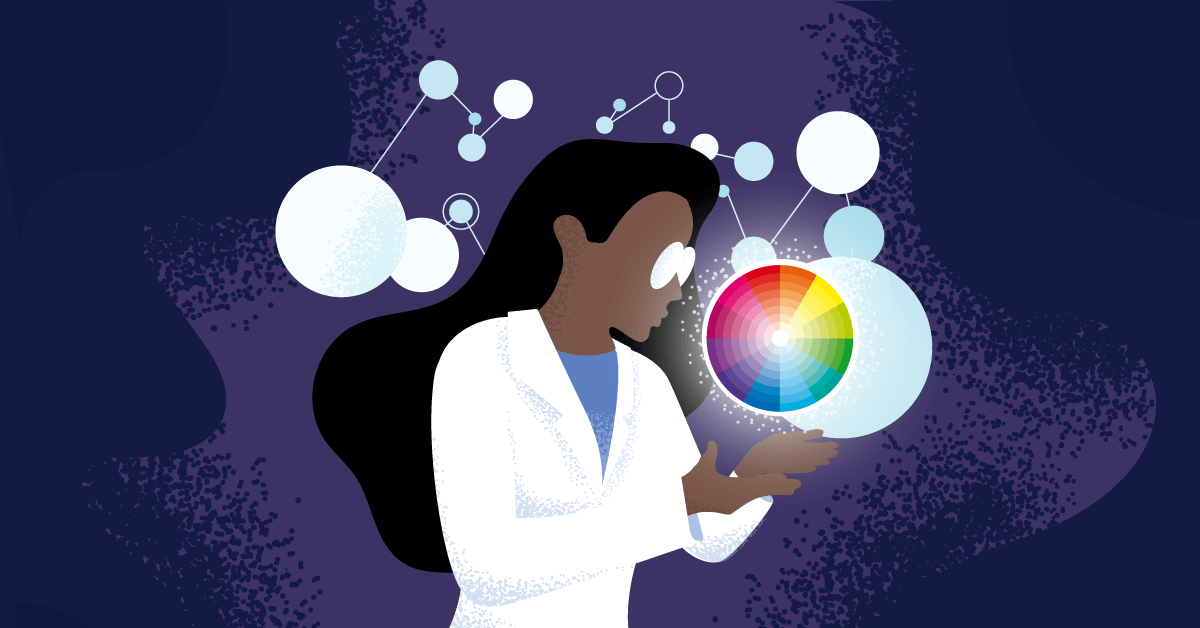
When you encounter a color, your brain doesn‘t simply register visual information. Instead, a complex neurological dance occurs, involving multiple brain regions simultaneously. The visual cortex processes wavelengths, the limbic system generates emotional responses, and memory centers retrieve associated experiences—all within milliseconds.
[Color Perception = [Wavelength Emotional Resonance Personal Experience]]This intricate process explains why certain colors can trigger specific emotional responses, influence purchasing decisions, and create lasting brand impressions. Marketing professionals who understand this mechanism gain an extraordinary competitive advantage.
The Evolutionary Context of Color Communication
Color communication isn‘t a modern invention—it‘s deeply rooted in human evolutionary history. Our ancestors relied on color perception for survival: identifying ripe fruits, detecting potential dangers, and recognizing environmental changes. These primordial instincts continue to influence our contemporary marketing interactions.
Psychological Color Mechanisms in Marketing
Different colors activate unique psychological pathways, generating specific emotional and behavioral responses:
Red: The Color of Urgency and Passion
Red represents intense emotional states—danger, excitement, passion. In marketing, it‘s strategically used to create immediate attention and stimulate quick decision-making. Fast-food brands like McDonald‘s leverage red‘s appetite-stimulating properties, while technology companies use it to communicate energy and innovation.
Neurologically, red increases heart rate and generates a sense of immediacy. It‘s no coincidence that clearance sales and critical call-to-action buttons frequently employ this powerful color.
Blue: Trust and Professionalism Embodied
Blue communicates reliability, stability, and professionalism. Financial institutions, technology companies, and healthcare providers consistently utilize blue to establish credibility. Its calming wavelength generates feelings of security and dependability.
Interestingly, different blue shades produce varied psychological responses. Lighter blues suggest openness and communication, while deeper blues convey sophistication and expertise.
Green: Harmony and Growth
Green represents balance, growth, and natural progression. Environmental and health-related brands frequently use green to communicate sustainability, wellness, and organic principles. Its association with nature generates feelings of renewal and positive transformation.
Cultural Color Variations: A Global Perspective
Color perception isn‘t universal—it‘s profoundly influenced by cultural contexts. What generates positive emotions in one region might create entirely different responses in another.
For instance:
- In Western markets, white symbolizes purity and simplicity
- In many Eastern cultures, white represents mourning and loss
- Red signifies luck in Chinese culture but danger in Western contexts
Technological Advances in Color Selection
Modern marketing leverages sophisticated technologies to understand and implement color strategies:
AI-Powered Color Analysis
Artificial intelligence now provides unprecedented insights into color performance. Machine learning algorithms can:
- Predict color emotional responses
- Generate optimal color combinations
- Track real-time consumer color preferences
Neuroimaging Color Research
Advanced brain scanning technologies like fMRI allow researchers to map precise neural responses to specific colors, providing marketers with unprecedented psychological insights.
Practical Color Implementation Strategies
Brand Color Selection Framework
Selecting the right colors requires a systematic approach:
-
Understand Your Brand Personality
- What emotions do you want to communicate?
- What psychological states align with your brand mission?
-
Analyze Target Audience Preferences
- Demographic color sensitivities
- Cultural background influences
- Generational color perceptions
-
Competitive Landscape Assessment
- Identify color patterns in your industry
- Determine opportunities for differentiation
-
Iterative Color Testing
- Conduct controlled color experiments
- Measure emotional and behavioral responses
The Future of Color Psychology in Marketing
As technology advances, color psychology will become increasingly sophisticated. Emerging trends include:
- Personalized color experiences
- Dynamic color adaptation
- Neuromarketing color integration
- Accessibility-focused design
Conclusion: Color as a Strategic Communication Tool
Color is no longer a passive design element—it‘s an active, strategic communication mechanism. By understanding its complex psychological dynamics, brands can create more meaningful, resonant marketing experiences.
Remember, color is a language. Learn to speak it fluently, and your marketing will transform from mere communication to genuine connection.
About the Author
[Your Professional Bio]References
- Journal of Marketing Color Psychology
- Neurological Color Perception Studies
- International Color Research Consortium