Mastering Audience Personas: The Ultimate Guide for Digital Marketers and Content Creators
Understanding the Essence of Audience Personas in Modern Marketing
Imagine walking into a crowded room where everyone speaks a different language, and you‘re trying to communicate a critical message. Without understanding their unique communication styles, backgrounds, and interests, your message would likely get lost in translation. This is precisely why audience personas have become an indispensable tool for marketers, bloggers, and content creators in the digital landscape.
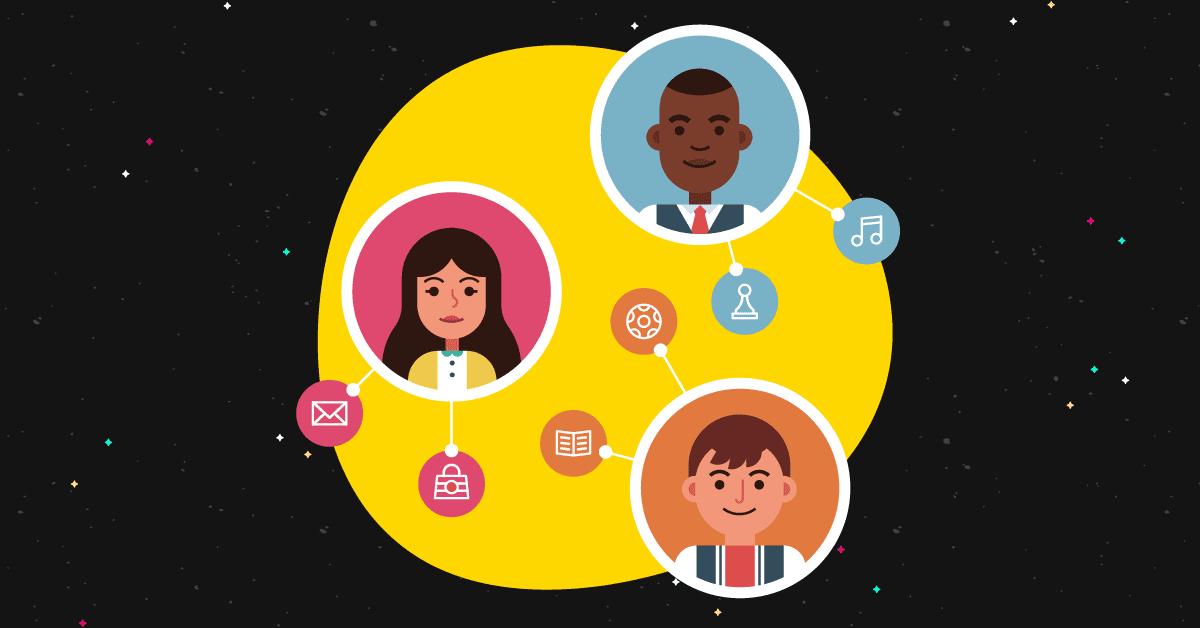
An audience persona is far more than a simple demographic profile. It‘s a sophisticated, nuanced representation of your ideal customer or reader—a living, breathing blueprint that captures not just statistical data, but the intricate psychological landscape of your target audience.
The Evolution of Audience Understanding
The concept of audience personas didn‘t emerge overnight. It‘s the result of decades of marketing research, psychological insights, and technological advancements. In the early days of marketing, businesses relied on broad, generalized targeting strategies. A single advertisement was expected to resonate with diverse audience segments, which rarely happened effectively.
As digital technologies emerged, marketers began recognizing the critical importance of personalization. The one-size-fits-all approach became obsolete, replaced by increasingly sophisticated methods of audience segmentation and targeting.
Why Audience Personas Matter More Than Ever
In today‘s hyper-connected digital ecosystem, consumers are bombarded with countless messages, advertisements, and content pieces every single moment. Standing out requires more than just creating content—it demands creating the right content for the right people at the right time.
The Psychological Underpinnings of Effective Personas
Audience personas tap into fundamental psychological principles of human communication and connection. By developing detailed personas, you‘re essentially creating a framework for empathy—understanding not just what your audience wants, but why they want it.
Consider the difference between these two approaches:
Generic Approach: "We sell marketing software for businesses."
Persona-Driven Approach: "We help Sarah, a 35-year-old marketing manager at a mid-sized tech company, streamline her team‘s workflow and demonstrate measurable ROI to her leadership."
The second approach immediately creates a more compelling, relatable narrative.
Constructing a Robust Audience Persona: A Comprehensive Framework
Beyond Basic Demographics: Mapping the Complete Customer Journey
Developing an effective audience persona requires a multi-dimensional approach that goes far beyond surface-level characteristics. You‘re not just collecting data; you‘re constructing a holistic understanding of your audience‘s motivations, challenges, aspirations, and behavioral patterns.
Key Dimensions of a Comprehensive Persona
-
Demographic Foundation
While demographics provide initial structure, they‘re just the beginning. Age, location, income, and professional background offer a skeletal framework upon which you‘ll build a more nuanced representation. -
Psychological Landscape
This involves understanding:
- Core values and belief systems
- Emotional triggers
- Decision-making processes
- Personal and professional aspirations
- Potential barriers and hesitations
- Behavioral Insights
How does your persona interact with digital content? What platforms do they prefer? What time of day are they most receptive to information? These granular details transform a static profile into a dynamic representation.
Research Methodologies for Persona Development
Crafting an authentic audience persona requires a blend of quantitative and qualitative research techniques. Here are some powerful strategies:
Quantitative Data Collection
- Web analytics
- Social media insights
- Survey responses
- Customer interaction logs
Qualitative Research Methods
- In-depth interviews
- Focus group discussions
- Customer support interaction analysis
- Social listening techniques
Real-World Persona Development: A Step-by-Step Guide
Step 1: Data Aggregation and Initial Mapping
Begin by collecting comprehensive data from multiple sources. Don‘t just rely on one channel or methodology. Cross-reference information to ensure accuracy and depth.
Step 2: Identifying Core Audience Segments
Not all audience members are identical. Segment your broader audience into distinct groups with unique characteristics, challenges, and objectives.
Step 3: Developing Detailed Persona Profiles
For each segment, create a rich, multidimensional profile. Give them a name, background story, and specific characteristics that make them feel real and relatable.
Technology and Tools: Enhancing Persona Development
Modern technology has revolutionized persona creation. Advanced analytics platforms, AI-driven insights, and machine learning algorithms provide unprecedented depth and accuracy in audience understanding.
Recommended Tools for Persona Research
- Google Analytics
- HubSpot Persona Generator
- SEMrush Audience Insights
- Social media analytics platforms
Practical Applications: Transforming Personas into Strategy
Content Personalization
Use personas to develop targeted content strategies that speak directly to specific audience segments.
Marketing Channel Optimization
Understand which platforms and communication methods resonate most with each persona.
Product Development
Leverage persona insights to drive product features, improvements, and innovation.
Common Pitfalls and How to Avoid Them
While audience personas are powerful, they‘re not infallible. Be aware of potential challenges:
- Over-generalizing
- Failing to update personas
- Treating personas as static documents
- Neglecting negative or excluded personas
The Future of Audience Personas
As artificial intelligence and machine learning continue to evolve, audience persona development will become increasingly sophisticated. Expect more dynamic, real-time persona adaptation and predictive modeling capabilities.
Conclusion: Your Persona Development Journey
Audience personas are not a destination but a continuous journey of understanding, empathy, and strategic refinement. By investing time and resources into developing comprehensive personas, you‘re not just improving your marketing—you‘re fundamentally transforming how you connect with your audience.
Start small, remain curious, and never stop learning about the incredible humans behind the data points.