The Ultimate Guide to Heatmap Software Tools: Transforming Digital Insights in 2024
Understanding the Digital Landscape: The Rise of Heatmap Technologies
Imagine having x-ray vision into your website‘s user experience. That‘s precisely what heatmap software delivers – a revolutionary technology that transforms complex user interaction data into visual, actionable insights. As digital landscapes become increasingly competitive, understanding how visitors navigate, click, and engage with your online platforms isn‘t just beneficial – it‘s mission-critical.
The Evolution of User Interaction Tracking
The journey of heatmap software is a fascinating tale of technological innovation. In the early days of the internet, website owners were essentially flying blind. They had basic traffic numbers but zero understanding of how users actually interacted with their digital real estate. Traditional analytics provided raw numbers, but they couldn‘t explain the human behavior behind those statistics.
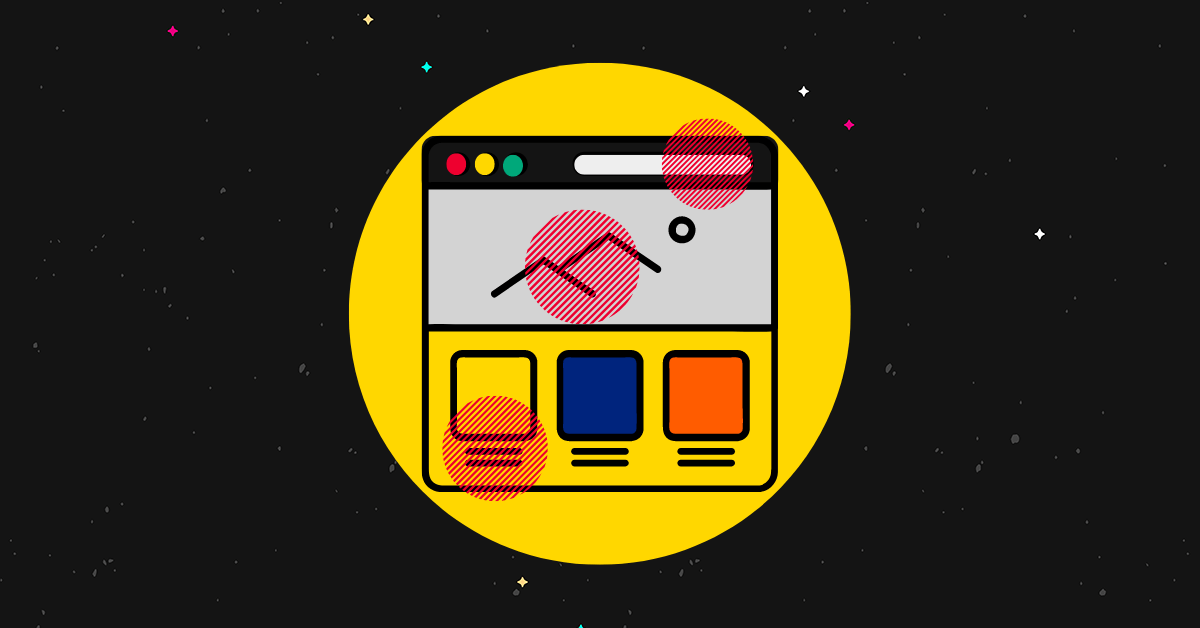
Enter heatmap technologies – a game-changing approach that visualizes user interactions through color-coded, intuitive graphics. These tools emerged in the early 2000s, initially offering simple click tracking. Today, they‘ve evolved into sophisticated platforms that capture mouse movements, scroll depths, attention spans, and even predictive user behavior patterns.
Technical Architecture: How Heatmap Software Actually Works
At its core, heatmap software operates through complex tracking mechanisms. JavaScript-based tracking codes are embedded into websites, capturing granular user interactions in real-time. These interactions are then processed through advanced algorithms that transform raw data into visually comprehensible maps.
The Science of Visualization
Modern heatmap technologies leverage multiple tracking methodologies:
- Click Tracking: Mapping precise click locations and frequencies
- Movement Tracking: Monitoring cursor trajectories
- Scroll Depth Analysis: Understanding content engagement zones
- Attention Mapping: Identifying high-engagement page regions
Each tracking method provides unique insights into user behavior, helping businesses optimize their digital experiences with unprecedented precision.
Top Heatmap Software Platforms: Comprehensive 2024 Analysis
Mouseflow: Enterprise-Level User Experience Intelligence
Mouseflow represents the pinnacle of modern heatmap technologies. With six distinct visualization types, this platform goes beyond traditional tracking. Its friction scoring algorithms provide nuanced insights into user experience challenges, allowing businesses to identify and resolve interaction bottlenecks quickly.
Key differentiators include:
- 100% traffic recording capabilities
- Advanced session replay functionality
- Comprehensive interaction mapping
- Intuitive user interface
Hotjar: Qualitative Insights Generator
Where Mouseflow offers quantitative precision, Hotjar excels in qualitative understanding. Its unique "rage click" mapping reveals user frustration points, while integrated feedback mechanisms capture direct user sentiments.
The platform‘s strength lies in its holistic approach, combining:
- Multiple visualization options
- AI-powered survey generation
- Seamless analytics integration
- Privacy-compliant data collection
VWO: The Conversion Optimization Powerhouse
Visual Website Optimizer (VWO) represents the enterprise-grade solution for complex digital experiences. Its dynamic heatmap tracking supports cross-platform analysis, making it ideal for organizations with sophisticated digital ecosystems.
Standout features include:
- Advanced filtering logic
- Comprehensive A/B testing integration
- Machine learning-powered insights
- Enterprise-scale performance
Market Dynamics and Future Projections
The global heatmap software market is experiencing exponential growth. Projected to reach [450 million USD] by 2028, this sector is driven by increasing digital transformation initiatives and the growing importance of user experience optimization.
Emerging Technological Trends
-
Artificial Intelligence Integration
Machine learning algorithms are revolutionizing heatmap technologies. Future platforms will offer predictive interaction modeling, allowing businesses to anticipate user behaviors before they occur. -
Privacy-First Tracking
With increasing data protection regulations, heatmap software is evolving to prioritize user privacy. Advanced anonymization techniques and consent-driven tracking will become standard. -
Cross-Platform Visualization
The next generation of heatmap tools will provide unified tracking across web, mobile, and application environments, offering holistic user experience insights.
Strategic Implementation: Maximizing Heatmap Software Value
Implementing heatmap technologies isn‘t just about purchasing a tool – it‘s about developing a comprehensive user experience strategy. Successful organizations approach these platforms as strategic intelligence systems, not mere tracking mechanisms.
Key Implementation Strategies
Effective heatmap software utilization requires:
- Clear measurement objectives
- Comprehensive baseline performance establishment
- Continuous insights iteration
- Cross-functional collaboration
Investment and Technology Outlook
For forward-thinking businesses, heatmap software represents more than a technological investment – it‘s a strategic competitive advantage. By understanding user interactions at unprecedented levels of detail, organizations can:
- Optimize conversion rates
- Reduce user friction
- Enhance digital experience design
- Make data-driven design decisions
Conclusion: Navigating the Future of Digital Intelligence
Heatmap software has transformed from a niche analytics tool to a critical business intelligence platform. As digital experiences become increasingly complex, these technologies will play an essential role in helping businesses understand, predict, and optimize user interactions.
The future belongs to organizations that can translate user behavior data into meaningful, actionable insights. Heatmap software isn‘t just a technology – it‘s a window into the digital human experience.