1944 Quarter Value Chart (Worth As Much As $16,800)
As a professional numismatist with over two decades of experience evaluating rare coins, I find the 1944 Washington Quarter particularly fascinating. These silver quarters, minted during World War II, represent a unique intersection of historical significance and numismatic value, with prices ranging from modest amounts to an impressive $16,800 for the finest specimens.
Historical Background and Production
The 1944 Washington Quarter emerged during one of the most critical periods in American history. While the nation focused its industrial might on the war effort, the U.S. Mint maintained coin production to support the wartime economy. Three mint facilities produced these quarters: Philadelphia (no mint mark), Denver (D), and San Francisco (S).
The Philadelphia Mint led production with approximately 104 million quarters, while Denver and San Francisco contributed roughly 14 million each. These production numbers might suggest common availability, but time and circumstance have made certain varieties quite scarce.
The quarter‘s design, created by John Flanagan, carries its own compelling story. Originally, renowned sculptor Laura Gardin Fraser submitted the winning design in a 1931 competition. However, Treasury Secretary Andrew Mellon controversially selected Flanagan‘s design instead, sparking discussions about gender bias that resonate even today.
Physical Characteristics and Composition
The 1944 quarter consists of 90% silver and 10% copper, weighing precisely 6.25 grams with a diameter of 24.3mm. This silver content provides a fundamental value floor, currently worth approximately $3.37 in melt value alone. However, the numismatic value typically exceeds the metal value significantly.
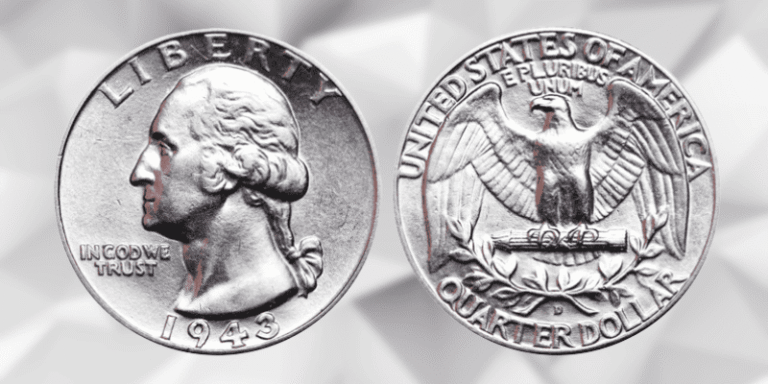
The obverse features Washington‘s left-facing portrait, with "LIBERTY" above and the date below. The reverse displays an eagle with spread wings, accompanied by "UNITED STATES OF AMERICA" and "QUARTER DOLLAR." Mint marks, when present, appear on the reverse below the wreath.
Comprehensive Value Analysis
The value of 1944 quarters varies dramatically based on condition, mint mark, and presence of errors. Here‘s a detailed examination of values across different grades:
Circulated Conditions:
Good to Very Good condition quarters from all mints typically bring $5.70, reflecting their silver content plus modest collector premium. Fine and Very Fine grades maintain similar values, as wear patterns affect the coin‘s details but retain basic design elements.
Extra Fine specimens show limited wear, with most design features sharp and clear. These command slightly higher prices, particularly for Denver and San Francisco issues.
Uncirculated Grades:
The value scale increases significantly for mint state coins:
- MS60-62: $9.40 to $21.00
- MS63-64: $11.10 to $27.50
- MS65: $29.70 to $61.00
- MS66: $54.00 to $88.00
- MS67: $240 to $370
- MS68: $8,120 to $16,800
The dramatic price increase in MS67 and MS68 grades reflects their exceptional rarity and pristine preservation.
Notable Errors and Varieties
Some of the most valuable 1944 quarters resulted from minting errors. A remarkable example involves a Philadelphia quarter struck on a steel planchet, which sold for $16,200 at auction. This error occurred when a leftover 1943 steel planchet accidentally entered the production line.
Other significant varieties include:
- Double Die Errors: Showing distinct doubling in inscriptions, particularly visible in "IN GOD WE TRUST"
- Nickel Planchet Strikes: Quarters mistakenly struck on five-cent planchet stock
- Re-punched Mint Marks: Particularly on Denver issues
- Strike Through Errors: Where foreign material came between the die and planchet
Authentication and Grading
Professional authentication becomes crucial as values increase. When evaluating 1944 quarters, experts examine:
Surface Preservation: Original mint luster quality and preservation
Strike Quality: Sharpness and completeness of design details
Contact Marks: Location and severity of any surface disturbances
Toning: Natural color development and attractiveness
Market Dynamics and Investment Potential
The market for 1944 quarters demonstrates interesting regional variations. East Coast collectors often focus on Philadelphia mint issues, while Western collectors frequently prefer San Francisco mint specimens. Denver mint quarters find strong interest in the Midwest.
Investment strategies might include:
- Focusing on highest available grades within budget
- Seeking original, untoned specimens
- Building complete mint mark sets
- Targeting documented error varieties
- Acquiring pieces with proven auction histories
Conservation and Preservation
Proper preservation remains crucial for maintaining value. Store coins in appropriate holders, avoiding PVC-containing materials. Maintain stable temperature and humidity conditions. Never clean coins, as this can severely impact value.
Collection Building Strategy
For collectors beginning with 1944 quarters, consider starting with circulated examples from each mint. This provides understanding of distinctive characteristics before advancing to higher grades. Study authentic examples carefully before making significant purchases.
Future Market Outlook
The market for premium 1944 quarters continues showing strength, particularly for highest-grade specimens. Population reports indicate few new discoveries of pristine examples, suggesting potential for continued value appreciation in top grades.
Conclusion
The 1944 Washington Quarter represents both historical significance and numismatic opportunity. Whether pursuing investment-grade specimens or building a historical collection, understanding these coins‘ characteristics and value drivers proves essential for making informed decisions.
Remember that condition remains paramount, authentication crucial, and patience valuable when building a significant collection. The market rewards careful study and disciplined acquisition strategies, particularly for these historically significant pieces from America‘s wartime production.