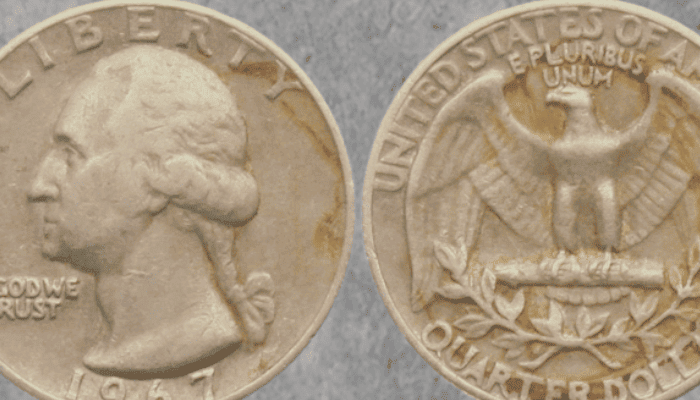
1967 Quarter Value: How Much Is it Worth Today?
As I hold a 1967 Washington Quarter in my hand, turning it carefully under my desk lamp, I‘m reminded why these seemingly ordinary coins fascinate collectors like myself. After 30 years of numismatic experience, I‘ve learned that what appears common at first glance often holds remarkable value beneath the surface. Today, I‘ll share my expertise to help you understand the true worth of your 1967 quarters.
The Historical Significance of 1967 Quarters
The year 1967 marked a pivotal moment in American coinage. The U.S. Mint had recently abandoned silver quarter production, switching to copper-nickel clad composition in 1965. This transition reflected broader economic changes sweeping through America during the 1960s. Rising silver prices had made it impractical to continue using precious metals in everyday coinage.
What makes 1967 quarters particularly intriguing is their lack of mint marks. The government, attempting to discourage hoarding during the silver-to-clad transition, deliberately omitted mint marks from 1965 to 1967. This decision created an interesting chapter in numismatic history, as collectors could no longer easily track which mint produced each coin.
Physical Characteristics That Matter
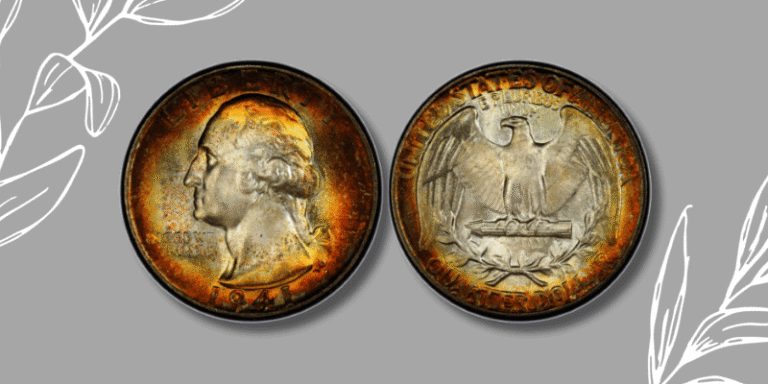
When examining a 1967 quarter, you‘ll notice several distinctive features. The obverse showcases John Flanagan‘s iconic portrait of George Washington, while the reverse displays a powerful eagle design. The specifications include:
Diameter: 24.3 millimeters
Weight: 5.67 grams
Composition: Copper-nickel clad (91.67% copper, 8.33% nickel)
Edge: Reeded with 119 reeds
Strike: Standard business strike or Special Mint Set (SMS)
The coin‘s composition creates a distinctive silver-white appearance, though noticeably different from earlier silver quarters. When examining these coins, I often notice how the copper core can become visible at the edges through wear – a telltale sign of the clad composition.
Current Market Values and Grade Impact
The value of 1967 quarters varies dramatically based on condition. From my experience evaluating thousands of these coins, here‘s what you can expect:
Circulated Condition (Good to Very Fine): Most circulated 1967 quarters are worth face value (25 cents)
Uncirculated Grades:
- MS-60 to MS-63: [$2-$5]
- MS-64 to MS-65: [$15-$30]
- MS-66: [$50-$100]
- MS-67: [$200-$400]
- MS-68: [$4,000-$8,800]
Special Mint Set (SMS) specimens command higher premiums:
- SP-65: [$25-$40]
- SP-66: [$50-$75]
- SP-67: [$150-$250]
- SP-68: [$2,000-$4,000]
- SP-69: [$4,000-$4,700]
I recently assessed a collection containing a remarkable MS-68 1967 quarter that sold for [$8,812] at auction – proving these coins can achieve impressive results in exceptional grades.
Notable Error Varieties and Their Market Impact
Error coins represent some of the most valuable 1967 quarters. Through my career, I‘ve documented several significant varieties:
Double Die Varieties: The most sought-after error shows doubling on the obverse inscriptions. I‘ve authenticated examples selling for [$200-$500], depending on the doubling‘s prominence and overall grade.
Wrong Planchet Errors: These fascinating mistakes occur when quarters are struck on incorrect blanks:
- Cent planchet errors typically bring [$1,000-$2,100]
- Dime planchet errors command [$400-$800]
- Nickel planchet errors sell for [$500-$1,000]
Off-Center Strikes: Values vary based on the degree of off-center striking and visible date:
- 10% off-center: [$100-$200]
- 20% off-center: [$200-$400]
- 50% off-center with visible date: [$800-$1,500]
Authentication Techniques for the Serious Collector
When authenticating 1967 quarters, I follow a systematic approach developed over decades:
Surface Analysis: Using a 10x loupe, examine the coin‘s surface under strong, direct lighting. Authentic specimens show specific mint luster patterns and strike characteristics. Watch for altered surfaces, which might indicate cleaning or artificial toning.
Weight and Measurement: Original 1967 quarters should weigh exactly 5.67 grams and measure 24.3mm in diameter. Even slight deviations might indicate alterations or counterfeits.
Die Characteristics: Learn the proper locations of design elements and their relative positions. Authentic coins show consistent relationships between design features that counterfeiters often miss.
Regional Market Variations
Through my dealings across the country, I‘ve noticed interesting regional variations in 1967 quarter values:
Northeast: Strong demand for high-grade specimens, particularly among traditional collectors. SMS examples command premium prices.
West Coast: Greater interest in error varieties, with collectors willing to pay above-guide prices for dramatic mistakes.
Midwest: Steady market for all grades, with particular emphasis on original, untoned examples.
Southern States: Growing market for investment-grade pieces, especially MS-67 and better.
Conservation and Preservation
Proper conservation remains crucial for maintaining value. Here‘s my tested approach:
Environmental Control: Store coins in spaces with stable temperature (around 70°F) and humidity (35-45%). Avoid areas prone to temperature fluctuations.
Proper Housing: Use inert materials like Mylar or high-quality acetate for holders. Never store in PVC-containing flips or old cardboard holders.
Handling Protocol: Always hold coins by their edges, wear cotton gloves when possible, and maintain a clean workspace for examination.
Investment Strategies and Market Outlook
Based on current market trends, I recommend several investment approaches:
High-Grade Business Strikes: Focus on MS-67 and better examples, which show consistent appreciation due to their rarity.
Special Mint Set Examples: Target SP-68 and SP-69 specimens, particularly those with strong eye appeal and original surfaces.
Major Error Types: Collect documented, authenticated errors, especially dramatic varieties that appeal to both error collectors and quarter specialists.
Finding and Acquiring 1967 Quarters
For those building collections, I suggest these proven acquisition strategies:
Auction Houses: Major numismatic auctions offer the best selection of high-grade and error pieces. Monitor Heritage Auctions, Stack‘s Bowers, and similar respected venues.
Dealer Networks: Develop relationships with established dealers who specialize in Washington quarters or modern errors.
Online Marketplaces: Exercise caution when buying online. Stick to certified examples from reputable sellers with strong return policies.
Building a Specialized Collection
From my experience helping collectors develop their portfolios, I recommend these collecting strategies:
Grade Sets: Acquire examples in successive grades from AU-58 through the highest MS grade available.
Error Type Collections: Focus on assembling a variety of error types, from minor die varieties to major striking mistakes.
Condition Census Pieces: Target coins that rank among the finest known examples, particularly those in the top population reports.
Future Market Prospects
Looking ahead, I see several trends shaping the 1967 quarter market:
Growing interest in modern coins among younger collectors should maintain demand for high-grade examples.
Increasing appreciation for clad-era errors suggests continued strength in that segment.
Rising population reports in high grades might impact top-tier prices, making careful acquisition crucial.
Conclusion
The 1967 Washington Quarter represents more than just another modern coin. It marks a significant transition in American coinage and offers numerous collecting opportunities. Whether you‘re drawn to pristine business strikes, fascinating errors, or special mint set examples, understanding these coins‘ true value requires careful study and market awareness.
Remember, condition remains paramount, authentication is crucial, and patience in building a collection often yields the best results. As you explore the world of 1967 quarters, take time to learn their subtle variations and appreciate their historical significance. The rewards, both financial and educational, make the journey worthwhile.