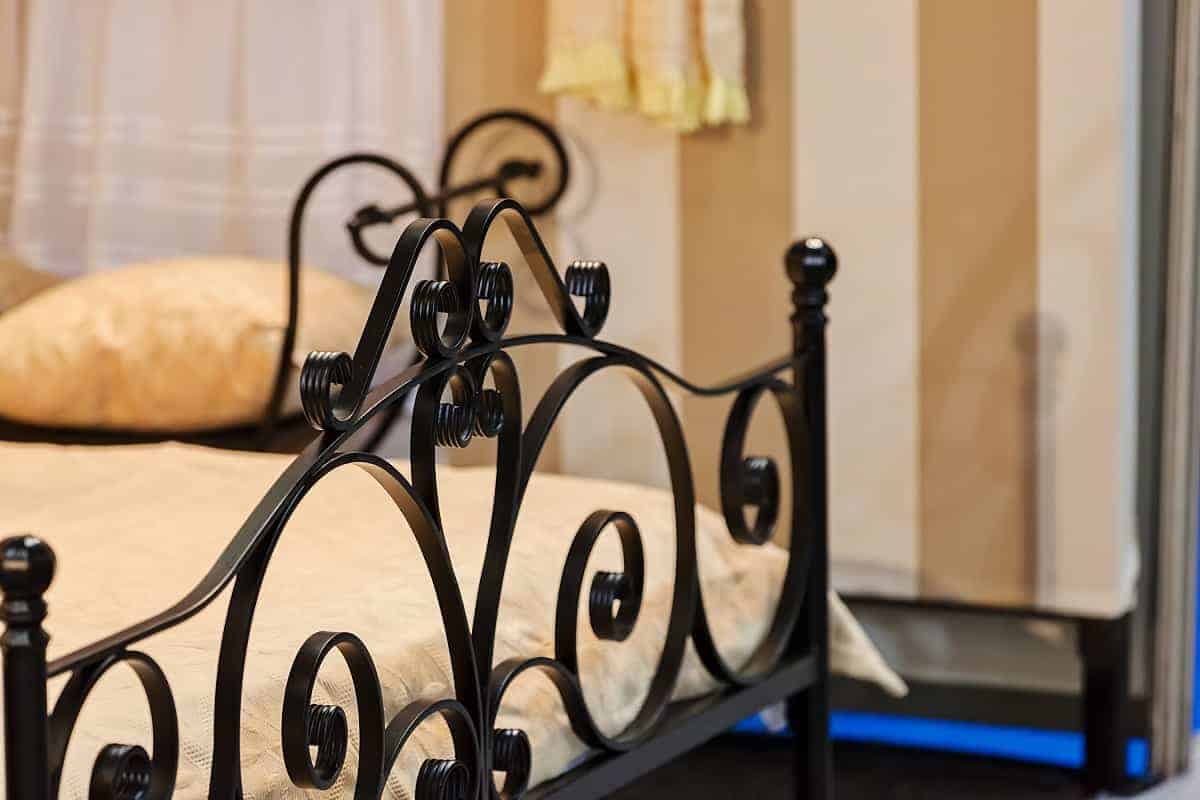
Antique Iron Bed Frames: History, Identification And Value (2024 Updated)
As an antique collector specializing in 19th-century furniture for over two decades, I‘ve witnessed the remarkable transformation of iron bed frames from overlooked relics to prized collector pieces. When I acquired my first Victorian iron bed at a small estate sale in New England, I didn‘t realize it would spark a lifelong passion for these remarkable pieces of history.
The Rich History of Iron Bed Frames
The story of iron bed frames begins in the industrial revolution of the 1850s, when advances in metal casting transformed furniture manufacturing. In my research through period documents and manufacturer catalogs, I‘ve traced how these beds emerged as a response to growing urban health concerns. The Victorian era‘s emphasis on hygiene made iron beds particularly appealing, as they were resistant to bed bugs and easier to sanitize than their wooden counterparts.
Early manufacturers like the Meriden Britannia Company and R.W. Winfield & Co. established their reputations by creating beds that combined durability with artistic merit. These pioneering companies developed innovative casting techniques that allowed for increasingly intricate designs while maintaining structural integrity.
Evolution of Manufacturing Techniques
The manufacturing process evolved significantly between 1850 and 1920. Early beds from the 1850s featured hand-forged components, with each joint carefully crafted by skilled metalworkers. By examining these early pieces, we can observe the telltale hammer marks and slight irregularities that distinguish hand-crafted elements.
The 1870s brought significant changes with the introduction of new casting methods. Manufacturers began using sand casting for decorative elements, allowing more complex patterns while reducing production costs. This period saw the rise of regional manufacturing styles – New England factories typically produced more conservative designs, while Southern manufacturers often incorporated elaborate scrollwork reflecting French influences.
Distinctive Style Periods
Victorian Era Masterpieces (1850-1901)
Victorian iron beds represent the pinnacle of ornamental metalwork. These frames feature towering headboards, often reaching heights of 54 to 66 inches, adorned with intricate spindles and medallions. The most sought-after examples incorporate multiple casting techniques within a single frame.
The color palette of original Victorian pieces typically included dark greens, deep browns, and rich blacks. Some prestigious manufacturers, like the Boston Bedstead Company, developed proprietary finishing processes that created distinctive patinas – these finishes now serve as crucial authentication markers.
Art Nouveau Innovation (1890-1910)
Art Nouveau brought a revolutionary approach to iron bed design. These frames incorporated organic motifs – flowing vines, blooming flowers, and sinuous curves that broke away from Victorian rigidity. French and Belgian designs particularly influenced this period, introducing asymmetrical patterns and nature-inspired elements.
Art Deco Modernism (1920-1930)
The Art Deco period marked a significant shift toward geometric patterns and streamlined forms. These beds often featured stepped designs, sunburst patterns, and chrome or nickel plating. While technically falling into the vintage category, these pieces remain highly collectible and often complement antique collections.
Authentication Fundamentals
Authenticating iron beds requires a methodical approach combining historical knowledge with physical examination. First, inspect the construction methods – authentic period pieces show specific joining techniques:
Pre-1870 frames typically feature mortise and tenon joints with hand-forged pins. The 1870-1890 period introduced cast joints with distinctive seam patterns. Post-1890 pieces often incorporate machine-pressed components, though quality manufacturers maintained hand-finished elements.
Material analysis provides crucial authentication evidence. Period cast iron displays characteristic grain patterns when examined under magnification. The weight distribution of authentic pieces reflects hand-casting methods – sections of similar size may vary slightly in weight due to manufacturing inconsistencies.
Market Valuation in 2024
The current market for antique iron beds shows strong regional variations and style-specific trends. Based on recent auction results and private sales:
Victorian full-size beds in original condition command prices from [$2,800] to [$6,500], with exceptional examples reaching [$12,000]. Art Nouveau pieces typically range from [$3,200] to [$8,000], while early Art Deco frames sell for [$2,000] to [$4,500].
Factors significantly impacting value include:
- Original finish preservation (adding 40-60% to base value)
- Complete original hardware (15-25% premium)
- Documented provenance (20-30% increase)
- Regional design significance (varies by market)
Conservation and Restoration
Proper conservation requires understanding period-specific materials and techniques. Environmental control plays a crucial role – maintaining relative humidity between 45-55% prevents rust formation while preserving original finishes.
When restoration becomes necessary, I recommend:
- Documenting original condition thoroughly
- Testing finish samples to determine original colors
- Using period-appropriate materials and techniques
- Maintaining reversibility in all treatments
Investment Strategy
For collectors entering the market, I suggest focusing on specific areas:
Regional Variations: New England pieces often show superior craftsmanship and command premium prices. Southern manufacturers produced fewer pieces, making their works particularly valuable when found in original condition.
Style Specialization: Focusing on specific design periods allows deeper knowledge development and better acquisition opportunities. Victorian pieces currently show the strongest value appreciation, while Art Nouveau examples offer significant growth potential.
Future Market Outlook
The antique iron bed market continues to evolve. Current trends indicate:
Growing International Interest: European and Asian collectors increasingly seek American-made pieces, particularly those from recognized manufacturers like Simmons and American Bed Company.
Rising Appreciation Rates: Quality pieces have shown consistent annual value increases of 8-12% over the past five years, outperforming many traditional antique furniture categories.
Emerging Collector Focus: Younger collectors show particular interest in Art Nouveau and early Art Deco pieces, suggesting strong future demand for these styles.
Authentication Case Studies
Throughout my career, I‘ve encountered numerous interesting authentication challenges. One memorable example involved a supposed 1880s Victorian bed that initially appeared correct but showed inconsistencies in its casting patterns. Detailed examination revealed it as a high-quality 1920s reproduction – valuable in its own right but priced significantly differently from a period piece.
Regional Market Analysis
Different regions demonstrate distinct collecting patterns and value variations. New England markets particularly value original surface finishes, while West Coast collectors often prefer restored pieces with updated finishes. Southern markets show strong interest in local manufacturers, with Georgia-made pieces commanding premium prices in regional sales.
Conservation Techniques
Successful conservation requires understanding period materials and methods. Original finishes often combined oil-based paints with hand-applied glazes. When preserving these surfaces:
Monitor environmental conditions carefully
Use minimal intervention techniques
Document all conservation steps
Maintain reversibility in treatments
Investment Considerations
When building a collection, consider:
Market Position: Entry-level collecting might focus on simpler Victorian designs, while advanced collectors often pursue rare Art Nouveau pieces.
Condition Balance: Sometimes, investing in pieces requiring conservation can provide better long-term returns than paying premium prices for fully restored examples.
Documentation: Maintaining detailed provenance and restoration records significantly impacts future value.
Concluding Thoughts
The antique iron bed market offers fascinating opportunities for collectors at all levels. Understanding the historical context, manufacturing techniques, and market dynamics helps make informed acquisition decisions. As these pieces continue gaining appreciation among collectors worldwide, their historical and monetary value seems likely to grow.
Whether you‘re starting your collection or adding to an established one, focus on quality, authenticity, and condition. Remember that each piece tells a unique story of craftsmanship and design evolution, making them not just valuable assets but important historical artifacts worthy of preservation.