Rare Penny Worth Money: Inside the $840,000 Copper Treasure Market
When most people spot a penny on the ground, they might not bother to pick it up. Yet as an antique coin specialist with over two decades of experience, I can tell you that some of these copper pieces command prices that will make your head spin. In 2021, a single 1943-D Lincoln cent sold for an astounding $840,000 – making it one of the most valuable small coins ever sold at auction.
The Evolution of Penny Collecting: From Pocket Change to Investment Grade
The story of valuable pennies begins in 1793 when the first official U.S. cent was minted. These early large cents, nearly the size of today‘s half dollars, now regularly sell for thousands of dollars. But it‘s the smaller cents introduced in 1856 that truly capture collectors‘ imaginations.
The Flying Eagle cent (1856-1858) marked a revolutionary change in American coinage. These pieces, featuring a soaring eagle on the obverse, represented the first small-diameter cents. A pristine 1856 Flying Eagle cent recently commanded $240,000 at auction – an astronomical return on a one-cent investment.
The Million-Dollar Mistakes: Why Some Pennies Command Fortune-Level Prices
The most valuable pennies often result from mint errors or unusual circumstances. Take the legendary 1943 bronze cents. During World War II, the U.S. Mint switched from copper to zinc-coated steel to conserve copper for the war effort. However, a handful of bronze planchets from 1942 accidentally made their way into the 1943 production run.
These 1943 bronze cents represent the holy grail of penny collecting. Only around 40 examples exist across all mint facilities:
- Philadelphia Mint: 12-15 known examples
- San Francisco Mint: 6-7 known examples
- Denver Mint: 1 known example
The unique Denver specimen made headlines when it sold for $840,000. Its combination of rarity, historical significance, and exceptional preservation created the perfect numismatic storm.
Understanding Penny Preservation: The Science of Color and Grade
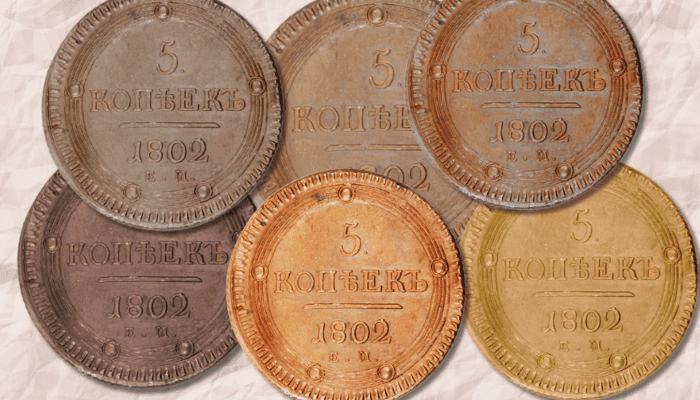
The value of copper cents heavily depends on their color classification. Fresh from the mint, pennies display a bright, salmon-red color. Over time, environmental factors cause the surface to darken. Professional grading services recognize three color designations:
Red (RD) pennies retain at least 95% of their original mint color and command the highest premiums. The preservation of original red surfaces requires exceptional care and often indicates the coin spent decades in carefully controlled environments.
Red-Brown (RB) pieces show a pleasing mix of original mint red and natural toning. While less valuable than full red specimens, these coins often display attractive color combinations that appeal to collectors.
Brown (BN) represents the most common state, where the copper has fully toned to various chocolate shades. While natural and attractive, brown pieces typically sell for less than their red counterparts.
Authentication Challenges in Today‘s Market
With high-value pennies commanding serious money, authentication becomes crucial. Modern counterfeiters employ sophisticated techniques to replicate rare dates and varieties. Professional authentication requires:
Precision Weight Analysis: Each composition has specific weight parameters. The 1943 bronze cents must weigh exactly 3.11 grams, while steel cents weigh 2.7 grams.
Metallic Content Testing: X-ray fluorescence spectrometry reveals exact metal composition, crucial for authenticating transitional-year pieces.
Die Marker Study: Each genuine rare variety shows specific die characteristics that must match known authentic examples.
Regional Market Dynamics Across North America
The penny market shows fascinating geographic variations. New England collectors traditionally focus on early copper, creating stronger prices for pre-1857 large cents in that region. West Coast buyers often emphasize condition rarity, paying premiums for gems regardless of date.
The Midwest serves as a barometer for overall market health, with major conventions in Chicago and Detroit setting benchmark prices. Southern collectors show particular interest in Civil War-era pieces, especially the 1864 L on Ribbon variety.
Conservation Methods for Long-term Value Preservation
Proper conservation starts with understanding copper‘s enemies: moisture, oils, and environmental contaminants. Professional conservation techniques include:
Environmental Control Systems: Purpose-built coin storage facilities maintain constant temperature and humidity levels. The ideal environment keeps temperature between 65-70°F with relative humidity at 35-40%.
Inert Storage Materials: Modern archival holders use materials tested for long-term stability. Mylar, certain plastics, and specific paper products provide safe storage options.
Surface Protection: While cleaning remains controversial, professional conservators sometimes use specialized treatments to stabilize active corrosion and prevent further deterioration.
Investment Strategies for Modern Collectors
Today‘s penny market offers various entry points for investors. Beginning collectors might focus on high-grade memorial cents from the 1959-1982 period, searching for full red specimens that command premiums.
Mid-level investors often target key dates in circulated grades. A VF-20 1909-S VDB cent, while not cheap at $2,000+, represents a solid store of value with consistent demand.
Advanced collectors compete for condition census pieces – coins ranking among the finest known examples of their date and mint. These trophy coins, while expensive, have shown strong appreciation over decades.
Building a Significant Collection: A Strategic Approach
Success in penny collecting requires a methodical approach:
Start with Knowledge: Invest in reference materials before rare coins. The standard references by Richard Snow on Flying Eagles and Indian cents provide crucial attribution details.
Focus Your Collection: Rather than pursuing everything, specialize in a specific series or date range. This allows development of deep expertise in your chosen area.
Build Strong Relationships: Develop connections with reputable dealers who specialize in your area of interest. These relationships often lead to first shot at fresh material entering the market.
Document Everything: Maintain detailed records of purchases, including prices paid, sources, and certification numbers. This information proves invaluable for insurance and eventual resale.
Future Market Outlook
The rare penny market shows continued strength, particularly for exceptional pieces. Several factors support ongoing appreciation:
Growing Global Interest: International collectors, particularly from Asia and Europe, increasingly compete for top U.S. coins.
Limited Supply: The finest pieces appear at auction with decreasing frequency as they find homes in long-term collections.
Strong Demographics: A new generation of tech-wealthy collectors enters the market, often focusing on highest-grade examples.
Final Thoughts
The world of rare pennies offers fascinating opportunities for both collectors and investors. While finding a $840,000 penny in pocket change remains unlikely, understanding what makes certain cents valuable helps collectors make informed decisions. Whether pursuing key dates, mint errors, or exceptional specimens, success comes from combining knowledge with patience and disciplined pursuit of quality.
Remember that every significant collection started with a single coin. By focusing on education, authenticity, and preservation, today‘s collectors position themselves to participate in this dynamic market. The next great penny discovery might be waiting in an old collection, dealer‘s inventory, or even that jar of coins in your drawer – you just need to know what to look for.