The 1776-1976 Bicentennial Quarter: A Numismatic Treasure Worth Up to $19,200
As an antique coin specialist with over two decades of experience examining American commemorative coinage, I find the 1776-1976 Bicentennial Quarter particularly fascinating. This remarkable piece of American numismatic history represents more than just currency – it embodies our nation‘s bicentennial celebration and holds significant value for collectors worldwide.
Historical Significance and Creation
The story of the Bicentennial Quarter began in 1971, when Congress members proposed special coinage to commemorate America‘s upcoming 200th anniversary. Though the U.S. Mint initially resisted the idea, the project eventually gained momentum, leading to one of the most ambitious commemorative coin programs in American history.
The selection process for the design proved equally noteworthy. The Treasury Department organized a nationwide competition, attracting submissions from artists across the country. Jack L. Ahr‘s colonial drummer design emerged victorious, chosen for its powerful representation of Revolutionary War spirit. This marked the first major design change to the quarter since the Washington portrait‘s introduction in 1932.
Design Elements and Specifications
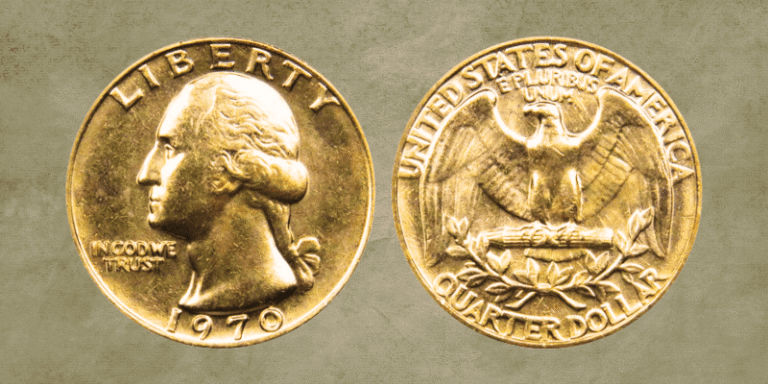
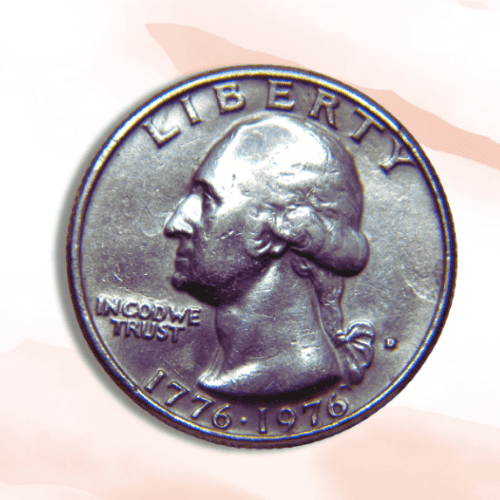
The Bicentennial Quarter‘s distinctive features deserve careful examination. The obverse maintains John Flanagan‘s dignified portrait of George Washington, but with the unique dual date "1776-1976" replacing the standard year. This dual dating appears on no other regular U.S. coinage, making it instantly recognizable.
The reverse showcases Ahr‘s colonial drummer, positioned left of center, with a victory torch encircled by 13 stars representing the original colonies. The composition maintains the quarter‘s standard specifications:
- Weight: 5.67 grams
- Diameter: 24.3 millimeters
- Thickness: 1.75 millimeters
- Edge: Reeded
Two distinct compositions exist: the standard copper-nickel clad version for circulation and the special 40% silver clad version for collectors. The silver version‘s weight remains identical, though its metallic content differs significantly.
Mintage and Production Details
Production occurred across three U.S. Mint facilities, each contributing significantly to the total mintage:
Philadelphia produced 809,784,016 pieces without mint marks, while Denver contributed 860,118,839 quarters bearing the "D" mint mark. San Francisco focused on special issues, creating proof versions and silver variants totaling approximately 22 million pieces marked with "S."
Value Analysis and Market Factors
The value of Bicentennial Quarters varies dramatically based on several crucial factors. Standard circulated examples typically command between $0.25 and $0.85, reflecting their abundant mintage. However, uncirculated specimens in pristine condition tell a different story.
In Mint State 63 (MS63), copper-nickel examples typically bring $1.25 to $2, while MS65 specimens can reach $6 to $8. Silver versions start at their melt value but can appreciate significantly based on condition and certification.
The most remarkable values appear in the highest grades. A 1976-S Silver Quarter in MS69 condition achieved an astounding $19,200 at a Heritage Auction in 2019, setting a record for the series. This sale demonstrates the premium market for exceptional specimens.
Error Varieties and Their Values
Error coins represent some of the most valuable Bicentennial Quarters. The Double Die Obverse (DDO) error, showing distinct doubling in the design elements, can command significant premiums. A 1976-D DDO in MS65 condition sold for $3,246, while other doubled die examples regularly achieve four-figure prices.
Particularly noteworthy errors include:
The "Struck Through" errors, where foreign material interfered with the striking process, creating unique surface patterns. A MS66 example with a cloth strike impression sold for $881.25.
Overstruck errors, where quarters were struck on incorrect planchets, rank among the most valuable. A 1976-S Quarter struck on a dime planchet achieved $12,000 at auction.
Authentication and Grading
Professional authentication proves crucial for valuable specimens. Third-party grading services like PCGS and NGC evaluate coins based on:
Strike quality – examining the completeness and clarity of design details
Surface preservation – analyzing marks, scratches, and wear patterns
Luster – evaluating the coin‘s original mint brilliance
Color – assessing natural toning patterns
When examining potential purchases, pay particular attention to:
- Strike strength on the drummer‘s details
- Field quality in the open areas
- Edge reeding consistency
- Proper weight and dimensions
Investment Strategies and Market Outlook
For investors and serious collectors, I recommend focusing on three primary areas:
High-grade certified examples, particularly in MS67 and above, show strong potential for appreciation. The population reports indicate very few specimens at these levels.
Major error varieties, especially those authenticated by leading grading services, maintain strong demand among specialized collectors.
Complete sets in matched grades, including both silver and copper-nickel examples from all mints, appeal to advanced collectors.
Conservation and Preservation
Proper storage remains crucial for maintaining value. I advise:
Using inert holders free from PVC or other harmful plastics
Maintaining stable temperature and humidity levels
Avoiding direct handling of coin surfaces
Regular professional evaluation of valuable specimens
Regional Market Variations
Market values show interesting regional patterns. New England and Mid-Atlantic collectors typically pay premiums for high-grade examples, while Western states show stronger interest in error varieties. International markets, particularly in Canada and Germany, demonstrate increasing interest in Bicentennial coinage.
Notable Collections and Sales
Several significant collections have featured exceptional Bicentennial Quarters:
The Raymond W. Smith Collection, sold in 2018, included a complete set of MS68 examples from all mints.
The Liberty Collection, auctioned in 2021, featured multiple major error varieties, including the rare "Triple Struck" example that realized $8,625.
Future Outlook and Collecting Recommendations
Looking ahead, Bicentennial Quarters maintain strong collector appeal. The combination of historical significance, variety of collecting approaches, and ongoing discovery of new varieties suggests continued market strength.
For beginning collectors, I recommend:
- Starting with high-grade circulated examples
- Learning to identify major varieties
- Building relationships with reputable dealers
- Joining numismatic organizations for education and networking
For advanced collectors, opportunities exist in:
- Registry set competition
- Error variety specialization
- Condition rarity pursuit
The 1776-1976 Bicentennial Quarter represents both numismatic history and investment potential. Whether pursuing high-grade examples, error varieties, or complete sets, these coins offer numerous paths for collecting enjoyment and potential appreciation.
Remember, condition remains paramount, authentication crucial, and patience essential in building a significant collection of these historic commemorative quarters. Through careful study and selective acquisition, collectors can participate in preserving and enjoying this important piece of American numismatic heritage.