The 1942 Mercury Dime Value: From Wartime Currency to $120,000 Treasure
As I hold a pristine 1942 Mercury Dime in my hands, the silver surface catches the light perfectly, revealing the intricate details of Liberty‘s wings that so many mistook for those of the Roman god Mercury. After 30 years of appraising rare coins, these pieces still fascinate me, particularly because they tell such a compelling story of American history during World War II.
The Historical Significance of the 1942 Mercury Dime
The year 1942 marked a crucial period in American history. As the nation fully mobilized for World War II, the U.S. Mint faced extraordinary challenges. Metal shortages, reduced workforce, and increased demand for coinage tested the mint‘s capabilities. Yet remarkably, they produced over 315 million Mercury Dimes that year across three facilities.
The Philadelphia Mint led production with 205,410,000 pieces, while Denver contributed 60,740,000 and San Francisco added 49,300,000 to the total. These numbers might suggest the 1942 Mercury Dime would hold little value today, but the reality proves far more interesting.
Understanding the Design Elements
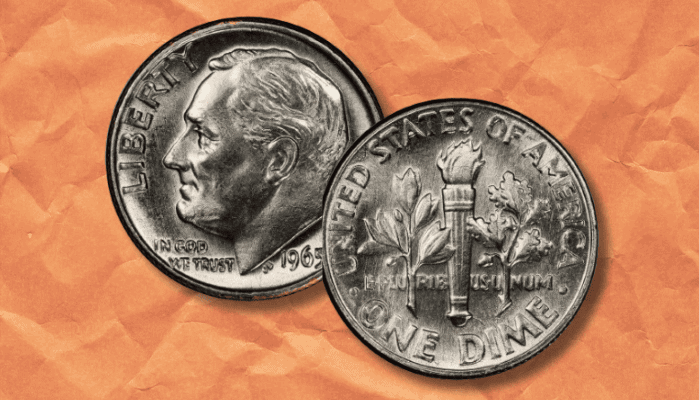
Adolph A. Weinman‘s design for the Mercury Dime ranks among the most beautiful in American coinage. The obverse features Liberty wearing a Phrygian cap with wings, symbolizing freedom of thought. This design caused immediate confusion upon release, as many mistook Liberty for Mercury, the Roman messenger god, leading to the coin‘s popular nickname.
The reverse displays a fasces wrapped in an olive branch, representing unity and peace through strength. This classical imagery gained new meaning during World War II, as America‘s strength became crucial to the Allied cause.
The Fascinating Full Band Designation
One aspect that particularly impacts a 1942 Mercury Dime‘s value involves the horizontal bands on the reverse fasces. When examining these coins, I always pay special attention to the central bands. A "Full Band" (FB) designation requires complete separation between these bands, with sharp definition throughout.
In my experience, finding true Full Band specimens proves challenging. The Denver Mint typically produced the best strikes that year, which explains why Denver Full Band examples often command premium prices. The minting process required perfect die alignment and pressure to achieve full band detail, making such pieces relatively rare despite high production numbers.
Current Market Values and Price Trends
Let me share current market values based on my recent appraisal experience:
Regular Strike Philadelphia Mint (No Mint Mark):
- Circulated examples range from [$3.50] to [$15]
- Mint State 63: [$25] to [$35]
- MS-65: [$45] to [$60]
- MS-65 Full Bands: [$125] to [$150]
- MS-67 Full Bands: [$1,200] to [$1,500]
- MS-68 Full Bands: [$3,800] to [$4,200]
Denver Mint (D):
- Circulated examples range from [$3.50] to [$15]
- Mint State 63: [$28] to [$38]
- MS-65: [$50] to [$65]
- MS-65 Full Bands: [$150] to [$175]
- MS-67 Full Bands: [$1,500] to [$1,800]
- MS-68 Full Bands: [$600] to [$650]
San Francisco Mint (S):
- Circulated examples range from [$3.50] to [$15]
- Mint State 63: [$30] to [$40]
- MS-65: [$55] to [$70]
- MS-65 Full Bands: [$175] to [$200]
- MS-67 Full Bands: [$2,000] to [$2,300]
- MS-68 Full Bands: [$475] to [$525]
The Legendary 1942/1 Overdate Variety
The most valuable 1942 Mercury Dime remains the famous 1942/1 overdate variety. This error occurred when a 1941-dated die was repunched with a 1942 date, creating a visible overlap. In 2018, I had the privilege of examining a specimen that later sold for [$120,000] at auction. This piece, graded MS-68 Full Bands, represents the finest known example.
Authentication Techniques and Counterfeit Detection
Through decades of handling these coins, I‘ve developed reliable authentication methods. When examining a 1942 Mercury Dime, I first check:
The strike quality: Genuine pieces show precise detail in Liberty‘s hair and the wing feathers. Each feather should display individual lines, though strike strength varies by mint.
Metal composition: The coin should contain 90% silver and 10% copper. Modern counterfeits often use incorrect alloys, which appear slightly grayer or whiter than genuine specimens.
Surface texture: Original mint luster displays specific cartwheel patterns when rotated under light. Counterfeits typically show unusual textures or incorrect luster patterns.
Regional Market Variations
The market for 1942 Mercury Dimes shows interesting regional patterns. In New England, collectors particularly value original toning and strong strikes. West Coast buyers often focus on San Francisco mint products, while Midwest collectors seek complete sets across all three mints.
These regional preferences affect local prices. Northeast dealers typically charge 10-15% premiums for exceptional toning. West Coast prices for S-mint coins run about 5% below national averages due to greater availability.
Conservation and Preservation Methods
Proper conservation proves crucial for maintaining value. I recommend:
Temperature control between 65-72°F with humidity between 35-45%. Avoid storing coins in basements or attics where conditions fluctuate.
Use only inert materials for storage. I prefer mylar flips or high-quality albums with aluminum rings. Avoid any storage products containing PVC plastic.
Never clean your coins. I‘ve seen countless valuable specimens ruined by well-intentioned cleaning attempts. Original surfaces, even if toned, maintain maximum value.
Investment Strategy and Portfolio Considerations
For investors considering 1942 Mercury Dimes, I suggest a balanced approach:
Entry Level ([$100-500]):
Focus on high-grade circulated examples and lower mint state coins. These offer good potential for appreciation while limiting initial investment.
Mid-Range ([$500-5,000]):
Target MS-65 Full Band examples and better dates. These coins show steady appreciation and strong collector demand.
Premium ([$5,000+]):
Consider exceptional MS-67+ Full Band specimens and major varieties. These rare pieces have shown excellent long-term growth.
Building a Quality Collection
When advising new collectors, I emphasize several key points:
Start with authenticated pieces. Third-party grading provides confidence and liquidity. NGC and PCGS remain industry standards.
Study strike characteristics. Understanding what makes a strong strike helps in selecting premium examples.
Document everything. Keep records of purchases, including source, price, and certification numbers.
Network with specialists. Join numismatic organizations and attend shows to build knowledge and connections.
Future Market Outlook
Several factors suggest continued strength in the 1942 Mercury Dime market:
Rising silver prices provide a solid value floor for all examples.
Growing international interest, particularly from Asian markets, expands the buyer base.
Increasing scarcity of high-grade specimens as coins get secured in long-term collections.
Digital certification and trading platforms make the market more accessible to new collectors.
Conclusion
The 1942 Mercury Dime represents more than just a coin – it embodies a crucial moment in American history while offering genuine investment potential. Whether you‘re drawn to its historical significance, artistic beauty, or market opportunity, understanding its nuances proves essential for success in collecting or investing.
Remember, condition remains paramount, authentication crucial, and patience vital. With proper knowledge and care, these remarkable pieces of American history can provide both personal satisfaction and financial reward.
For those just beginning their numismatic journey, the 1942 Mercury Dime offers an excellent entry point into serious collecting. Its combination of accessibility, historical importance, and potential value appreciation makes it a cornerstone piece for any thoughtful collection.