Marketers, Take Note: Samsung Is Going All-In on Voice (And You Should Too)
Picture this: It‘s 2025 and you‘re standing in your kitchen, ready to prepare dinner. But instead of flipping through a cookbook or opening a recipe app, you simply say:
"Hey Bixby, what‘s a good recipe for chicken tacos?"
Bixby, the voice assistant built into your Samsung smart fridge, responds with step-by-step cooking instructions optimized for your preferences and the ingredients you have on hand. It even suggests a wine pairing based on your past purchases and automatically adds missing items to your grocery list.
Welcome to the voice-first future Samsung is envisioning.
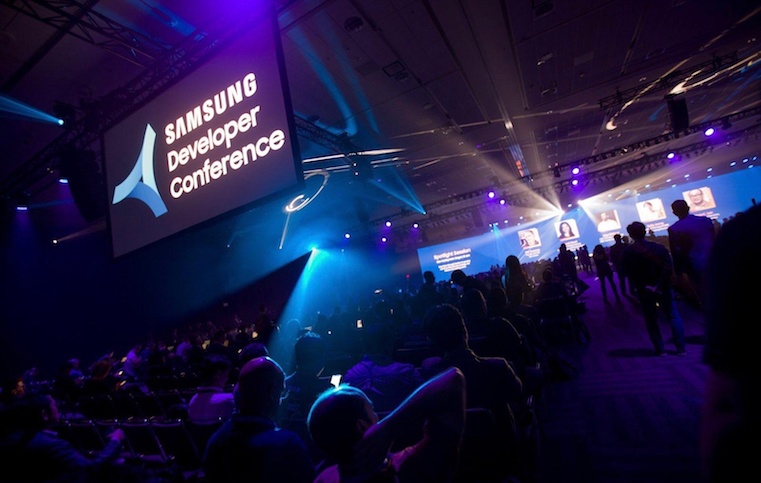
At the recent Samsung Developer Conference, the tech giant made it clear that voice interfaces—powered by its rapidly evolving Bixby platform—will be at the center of its device ecosystem and growth strategy moving forward.
DJ Koh, President and CEO of Samsung Electronics, boldly proclaimed the company‘s "Bixby everywhere" vision:
"Bixby started as an intelligent interface for our smartphones but our goal is to make it an intelligence platform for your life. We believe Bixby will evolve from a simple voice assistant to an intelligence tool that will help you get things done in a more personalized, natural way across all our devices, from phones and TVs to appliances and cars."
In other words, Samsung is betting big on voice. And marketers who don‘t start preparing for this shift risk getting left behind.
The Bixby Differentiator: Custom Voice Experiences
Samsung isn‘t just racing to expand Bixby to more devices. It‘s also offering tools to make Bixby infinitely customizable for any brand or use case.
The star of the show was the Bixby Custom Voice Creator. In a nutshell, it allows developers and companies to:
- Create custom wake words to invoke unique voice experiences
- Define intents and entities to interpret complex queries and commands
- Leverage Bixby‘s NLU and dialog management to enable human-like conversations
- Integrate with proprietary databases and APIs for personalized responses
- Generate on-brand personalities and voices powered by advanced text-to-speech
In essence, Custom Voice Creator turns Bixby into a white-label voice platform. Any brand in any industry—from ecommerce and entertainment to hospitality and healthcare—can now create tailored voice experiences to engage customers in new ways.
Adam Cheyer, VP of Engineering at Viv Labs (the Samsung subsidiary behind Bixby‘s technology), explained the significance:
"Custom Voice Creator removes the barriers to building conversational interfaces. Companies don‘t need huge amounts of training data or AI expertise. They can bring their existing content, business logic, and customer knowledge and turn it into a voice experience in a matter of days."
Here‘s an example of what this could look like in practice:
- Custom wake word: "Hey Nike"
- Sample user query: "What‘s the best running shoe for marathons?"
- Bixby response: "Based on your shoe size, gait analysis, and the weather conditions of your upcoming race, I recommend the Nike Zoom Pegasus Turbo 4. It has extra cushioning to handle long distances and a water-resistant upper. Would you like me to order a pair?"
By enabling hyper-personalized, hands-free interactions like this at scale, Samsung is lowering the barriers for any company to make voice a pillar of its customer experience.
The Voice Market Landscape
Samsung is not alone in recognizing the disruptive potential of voice. Tech giants like Amazon, Google, and Apple have already made significant investments and inroads with their respective Alexa, Google Assistant, and Siri platforms.
According to a recent report by Juniper Research, the total number of voice assistant devices in use could reach 8.4 billion by 2024—a 113% increase from the 4.2 billion expected in 2020.
And people aren‘t just buying these devices, they‘re using them regularly. Consider these eye-opening statistics:
- 72% of voice-activated speaker owners say their devices are used as part of daily routines (Google)
- 41% of owners say it feels like talking to a friend or family member (Google)
- Voice shopping could hit $40 billion by 2022 (OC&C)
Samsung is now poised to bring this voice-driven engagement to an even wider array of touchpoints beyond smart speakers. With 500 million Bixby-powered devices and over 1 billion interactions per month targeted by 2021, the company has an ambitious vision to make voice ubiquitous.
Why Marketers Need to Adopt a Voice Strategy
For brands and marketers, the proliferation of voice interfaces creates exciting opportunities to connect with customers in new ways.
When you can actually converse with your audience rather than just show them content, it becomes possible to:
- Build deeper relationships through more natural, personalized interactions
- Simplify user experiences by removing friction from cumbersome taps and swipes
- Gather rich customer insights from the intents and entities in voice queries
- Create audio content and advertisements that are less disruptive than traditional formats
- Drive higher conversion rates by making transactions and reordering effortless
But it will take work to realize this potential. Marketers need to re-think their strategies and tactics from the ground up for a voice-first world.
Simply reformatting existing content or apps for voice won‘t cut it. The name of the game is conversation design—crafting intuitive dialogues that deliver value to the customer and measurable results for the business.
Marketers also need to get comfortable with the idea that visual branding may take a back seat in voice interactions. While Bixby does offer some screen-based touch points on certain devices, it‘s critical to perfect the audio-only experience first.
The good news is that Samsung is providing the tools and platform to help brands make the voice transition. Between the Bixby Capsule framework for building voice apps and the Custom Voice Creator, companies now have unprecedented flexibility to bring their unique identities into the voice realm.
Getting Started with Voice Marketing
So where should marketers begin in preparing for Samsung‘s voice-driven future? Here‘s a step-by-step playbook:
-
Audit your content and data – What existing assets could you repurpose for voice? Do you have structured data like FAQs, product catalogs, or knowledge bases that could fuel voice queries? Your website and app analytics can also reveal common questions or intents that could translate to voice.
-
Define your voice use cases and personas – Brainstorm the most valuable and feasible voice experiences for your brand. What key tasks or interactions could voice simplify for your customers? How could you differentiate your voice app from competitors? Use design thinking to map out user flows and conversation trees.
-
Experiment with different voice platforms – Get your feet wet by creating an Alexa skill or Google action to learn the basics of voice design. But recognize that Samsung‘s Bixby ecosystem offers unique opportunities for custom wake words and on-brand personas, so prioritize that in your roadmap.
-
Optimize your content for voice SEO – Conduct keyword research to identify common voice queries related to your industry. Look for opportunities to secure voice search "position zero" by providing concise answers and snippets. Ensure your local listings and reviews are up to date since many voice queries are location-specific.
-
Measure voice interactions and iterate – Track key metrics like unique users, average session duration, conversation turns, and goal completion rate. User testing and feedback will also be crucial to refine your conversation designs over time.
-
Promote your voice app – Don‘t assume users will discover your voice app on their own. Develop creative campaigns to drive awareness and adoption. Voice-specific calls-to-action like "Ask Bixby" or an audio logo will help get your brand in the ears of your customers.
Above all, marketers need to start with a voice-first mindset. Every aspect of your customer experience—from awareness to purchase to support—will soon be transformed by conversation.
Those who seize this shift will have a powerful advantage in building deeper, more loyal relationships. The age of touch may be coming to an end, but the age of talk is just getting started.