Are Virtual Influencers the Future of Marketing, or Untrustworthy Advertising? An In-Depth Look at the Rise of CGI Social Media Stars
Would you ever buy a product endorsed by someone you knew wasn‘t real? An increasing number of people would, according to the growing popularity and brand deals of virtual influencers. These computer-generated characters are racking up millions of followers on social media and making serious money promoting everything from fashion to fast food. But is this the next step in the evolution of influencer marketing or a gimmicky trend that will turn off consumers?
In this in-depth guide, we‘ll take a detailed look at the rise of virtual influencers, the technology behind them, the psychology of why they appeal to audiences, and how brands are using them. We‘ll also evaluate their potential future applications and the risks they pose. Finally, we‘ll provide some data-driven recommendations and best practices for brands considering entering the virtual influencer space.
What Are Virtual Influencers?
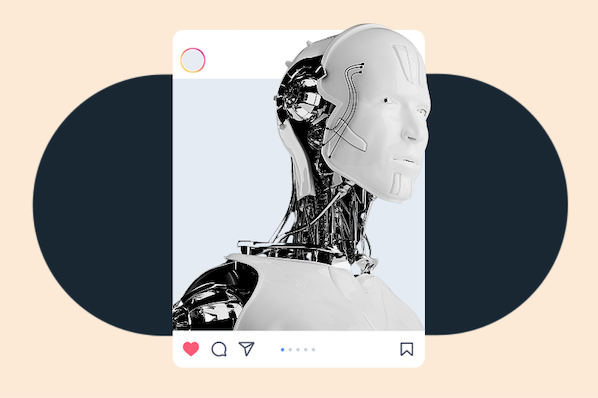
Virtual influencers are computer-generated fictional characters who have cultivated large followings on social media. They are created through a combination of 3D modeling and animation, AI, and motion capture technology to look and act like real people. Many of the most popular virtual influencers have highly realistic human appearances, while others have more stylized, anime- or cartoon-inspired looks.
But virtual influencers are more than just pretty digital faces. They are given carefully crafted personalities, backstories, and interests to make them seem like authentic individuals. Many post the same type of lifestyle and fashion content a real influencer would, with glossy, aspirational photos of their digital selves wearing designer clothing, visiting trendy locales, and even "collaborating" with other virtual influencers.
While most virtual influencers are transparently artificial, many still manage to establish parasocial bonds with their followers, who see them as relatable characters to engage with, not just CGI models. Virtual influencers will often interact directly with their audiences, "responding" to comments and DMs (though these interactions are written by humans).
Like human influencers, virtual influencers monetize their followings through brand deals, sponsored posts, and product endorsements. Many of the top virtual influencers have become highly sought after "spokespeople" for companies looking to catch consumers‘ attention in a crowded influencer market.
The Rapid Rise of Virtual Influencers by the Numbers
While the concept of a computer-generated spokesperson is nothing new (see: Max Headroom in the 1980s), virtual influencers as we know them today first emerged in 2016 with the launch of Lil Miquela on Instagram. In just a few short years, virtual influencers have exploded from obscure oddities to a major cultural phenomenon. Let‘s quantify the hype with some statistics:
- As of 2022, the top 5 virtual influencers had a combined following of over 30 million across social media platforms. (Source)
- 35% of U.S. Millennials and Gen Z have followed a virtual influencer. (Source)
- The virtual influencer market size surpassed $13 billion in 2021 and is projected to reach over $42 billion by 2027. (Source)
- 58% of consumers follow at least one virtual influencer. (Source)
- A 2021 survey found 27% of adults aged 18-34 have purchased a product promoted by a virtual influencer. (Source)
How Virtual Influencers Are Created
Virtual influencers may look effortlessly cool, but there‘s a lot of work that goes on behind the scenes to bring them to life. Most are developed by specialized creative agencies with expertise in CGI and AI. The process typically involves several key steps:
- A team of character designers create concept art visualizing the influencer‘s appearance and style. This may be photorealistic or more stylized.
- 3D modeling software is used to sculpt the influencer‘s face and body to match the design. Textures are added to make skin, hair, clothing, etc. look natural.
- Skeletal rigging and pose morphing tools are used to allow the 3D model to move naturally and realistically express emotions. Motion capture of human models may be used as reference.
- The virtual influencer is rendered in high resolution and composited into real photographs and videos to create the illusion they exist in real-world settings.
- Artificial intelligence is used to animate the influencer‘s facial expressions, generate their speech, and guide their interactions. Many use natural language processing models like GPT-3.
- A team of human writers, acting as the influencer‘s "brain," writes their posts, responses, and dialog to bring their personality and voice to life. The AI interprets this into speech and animations.
This process requires a high level of technical skill and creativity. It can take months to develop a single virtual influencer. But once the hard work is done upfront, that influencer can be efficiently deployed again and again in new content.
10 of the Biggest Virtual Influencer Stars
So who are the CGI celebrities with the most clout? Here‘s a rundown of 10 of the highest-profile virtual influencers across social media:
| Influencer | Backstory | Followers | Brand Deals |
|---|---|---|---|
| Lil Miquela | 19-year-old Brazilian-American model, musician, and activist | 3M on Instagram | Prada, Calvin Klein, Samsung |
| Lu do Magalu | Fictional spokesperson for Brazilian retailer Magazine Luiza | 5.5M on Instagram | Magazine Luiza |
| Imma | Japanese model with an iconic pink bob | 350K on Instagram | Porsche, IKEA, Amazon |
| FNMeka | Hyperrealistic "robot rapper" | 10M on TikTok | Bentley, Puma |
| Noonoouri | Cartoon-style 19-year-old French fashion model | 374K on Instagram | Dior, Versace, KKW Beauty |
| Shudu | "World‘s first digital supermodel" | 213K on Instagram | Cosmopolitan, Vogue, Ellesse |
| Colonel Sanders | Younger, CGI version of KFC‘s mascot | 185K on Instagram | KFC |
| Ailynn | AI-powered virtual model with an edgy look | 85K on Instagram | Yoox |
| Rae | Racially ambiguous, activism-focused influencer | 163K on Instagram | Prada, Audi, Mini |
| Guggimon | Bizarre rabbit creature who pals around with celebs | 1.2M on Instagram | Gucci, Fortnite |
As you can see, these virtual influencers span a wide range of styles and backstories, from realistic digital humans to cartoonish creatures. But they all boast enviable followings and brand partnerships any human influencer would covet.
Why Consumers Connect with Virtual Influencers
At first glance, the popularity of virtual influencers is puzzling. Why would people choose to engage with and take product advice from a pixelated spokesperson over a real person? The psychology behind virtual influencers‘ appeal is complex but boils down to a few key factors:
- Novelty: In a social media landscape oversaturated with aspiring human influencers, virtual influencers‘ artificiality helps them stand out. Many users find their surreal, ambiguous nature intriguing.
- Idealization: Virtual influencers tap into the same kind of parasocial one-way bond many have with fictional characters. Fans can project their own fantasies onto them free of the baggage real humans bring.
- Relatability: While virtual influencers aren‘t "real," they are often designed to be highly relatable to their target audiences. Lil Miquela‘s angsty, progressive Gen Z persona makes her feel authentic to young fans.
- Consistency: A virtual influencer will always stay "on brand" and can‘t have an inappropriate public meltdown like a human celebrity. This reliability is comforting.
Virtual influencers allow people to engage in the age-old tradition of hero worship and imaginary companionship – now turbocharged for the social media era. While it may seem strange to some, the parasocial appeal of virtual influencers operates on the same psychology that has drawn people to fictional characters for generations.
Brand Wins and Risks of Virtual Influencer Marketing
From a brand perspective, virtual influencers hold obvious appeal. You get the buzz and cool factor of working with an influencer, plus total control over the messaging. That‘s likely why major brands like Calvin Klein, Prada, KFC, Balmain, and Puma have all created campaigns starring virtual influencers in recent years.
Some of the potential benefits of virtual influencers for brands include:
- Standing out: Partnering with a buzzy virtual influencer can help a brand cut through the clutter and generate press coverage.
- Creative control: With a virtual influencer, brands aren‘t at the mercy of a celebrity‘s whims or scandals. They can ensure their brand‘s values are represented.
- Cost savings: While not cheap, a virtual influencer production is often less expensive than a celebrity photoshoot or endorsement deal.
- Testing and iterating: Virtual influencers can be quickly updated or even totally remodeled based on audience feedback and brand needs, unlike human spokespeople.
But virtual influencer marketing isn‘t without its risks and drawbacks. Some critics argue virtual influencers deceive consumers by presenting a simulated person as real to sell products. When KFC introduced a CGI Colonel Sanders influencer in 2019, many on social media called it "creepy" and "dystopian."
Brands should also consider whether a virtual spokesperson is appropriate for their product. Lil Miquela may spur buzz for Calvin Klein, but using her to advertise something like home mortgages or baby food could backfire. Virtual influencers are best suited for attention-grabbing, youth-oriented categories like fashion, beauty, and gaming.
Ultimately, the decision to use virtual influencers comes down to a brand‘s goals, audience, and comfort level with an edgy, experimental tactic. Virtual influencers are not a one-size-fits-all solution but they can be a powerful tool for the right brand campaign.
The Future of Virtual Influencers
So are virtual influencers a passing fad or the future of marketing? While they‘re unlikely to totally replace human influencers, we predict the trend will only grow in the coming years. As CGI and AI technology continue to advance, virtual influencers will become even more convincing and cost-effective to create.
We expect to see virtual influencers continue to proliferate in number and variety. More brands will launch their own in-house virtual influencers as mascots. The characters will expand beyond Instagram models into virtual artists, virtual streamers, and virtual customer service reps.
Virtual influencers will also become more autonomous and engaging, powered by developments in conversational AI, deepfakes, and natural language processing. Soon, you may be able to have a "face-to-face" conversation with your favorite virtual idol.
But virtual influencers also raise thorny ethical and legal questions that still need to be worked out. Will brands be required to label virtual influencers as "fake"? Could a virtual influencer use copyrighted images in a social post? Does an AI influencer own the copyright to the content it creates? Expect these issues to be debated in the years to come.
Recommendations for Brands Considering a Virtual Influencer
If you think a virtual influencer could be right for your brand, here are some best practices to keep in mind:
- Partner with an experienced agency. Bring in established experts in creating virtual influencers to ensure your character feels authentic and high-quality.
- Commit to storytelling. A virtual influencer needs a compelling personality and narrative to connect with audiences. Don‘t just create a generic digital model – give them a mission and point of view.
- Provide value. For virtual influencers to build trust, they should provide entertaining or informative content beyond just sponsored posts. Let your virtual influencer show their passions.
- Engage with the audience. Have your virtual influencer respond to comments, "go live," and cultivate a community. But avoid trying to deceive anyone into thinking they are human.
- Be transparent. Follow FTC guidelines and disclose your virtual influencer is computer-generated. Trying to pass them off as a real person will backfire when audiences find out.
- Get creative. Use the unlimited possibilities of a virtual influencer to create compelling, unique content no human spokesperson could. Lean into the character‘s virtuality.
- Test and learn. Track metrics closely to see what content and tactics resonate. Don‘t be afraid to experiment and tweak your virtual influencer based on results.
Virtual influencers are a brave new world of marketing that‘s still evolving rapidly. While they may seem gimmicky, they hold real potential for brands willing to get creative. In the coming years, we expect to see virtual and human influencers working side by side – sometimes even collaborating with each other.
If you decide to launch a virtual influencer, the key is committing to creating a relatable, multi-dimensional persona. Like the fictional characters we bond with in media, virtual influencers need compelling personalities and stories to win hearts. With the right human touch, virtual influencers just might become some of your brand‘s most powerful ambassadors.