The Future of Streaming Video: More Ads, Less Skipping?
Remember the simple joy of fast-forwarding through commercials on your VCR? For decades now, consumers have become accustomed to skipping ads, whether on recorded TV content or the latest YouTube video. But the free ride may be coming to an end, as streaming services make it increasingly difficult to bypass those pesky pre-roll and mid-roll advertisements.
YouTube Leads the Charge
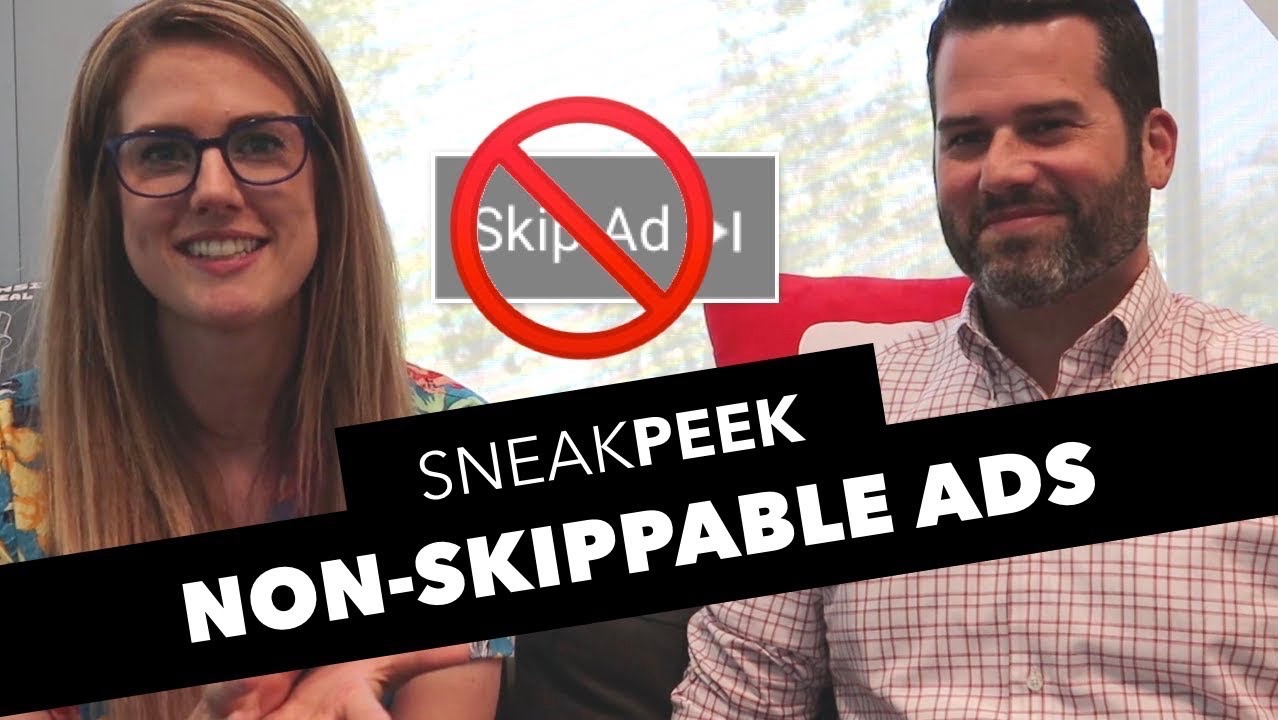
The latest move comes from YouTube, which recently announced it will allow all creators in its Partner Program to make video ads non-skippable. Previously this was a privilege reserved for channels with 10 million+ public views.
YouTube positioned it as a win for creators, with Product Manager Cecilia Heidenreich stating non-skippable ads "tend to earn more money." But many creators and viewers expressed frustration with the change. Popular creator Marques Brownlee tweeted his disappointment, saying it will hurt engagement and the viewer experience.
So why is YouTube making this move? Ad-skipping has long been a thorn in the platform‘s side. Internal data from 2012 showed 85% of viewers skip pre-roll ads. While ad views and revenue have grown considerably since then, YouTube clearly sees non-skippable ads as key to its future monetization.
YouTube is hardly alone in this trend. Hulu, once an oasis from traditional TV commercials, now runs unskippable ads on its base subscription tier. Spotify has long offered a premium ad-free option but continues to experiment with new ad formats for free users. And as Facebook ramps up its Watch video platform, it too has introduced mid-roll commercial breaks for creators.
It raises the question – are we entering a new era of video streaming, where ads are not only more prevalent but increasingly unavoidable? As these platforms chase advertising dollars, they risk alienating users who have grown accustomed to an ad-light or ad-free experience.
The Power of the Advertiser
To understand this shift, it‘s helpful to look at the history of ad-supported content. Back in the early days of cable, premium channels like HBO positioned themselves as an alternative to ad-laden network TV. Subscribers paid a fee for commercial-free programming and more creative freedom.
"Creatively, once you have advertisers in there, they think they have a voice," remarked then-HBO exec Michael Fuchs in a 1981 interview. The message was clear – when advertisers pay the bills, they inevitably influence the content itself.
We see this dynamic play out in today‘s digital video landscape as well:
- YouTube "demonetizes" videos that aren‘t considered advertiser-friendly, incentivizing creators to avoid controversial topics and language
- Brand safety concerns led YouTube to sever ties with controversial figures like Logan Paul and PewDiePie, despite their huge followings
- Vlogger Casey Neistat claimed YouTube‘s shifting monetization policies "created a culture of fear" among creators
- Advertisers pulled millions from YouTube in 2017 over ads appearing next to extremist content, prompting stricter monetization rules
Other ad-supported video platforms have similar restrictions and pitfalls in place. Twitch streamers must be careful about copyrighted music and "mature" content or risk losing ad revenue. TikTok‘s monetization program prohibits videos featuring controversial topics like politics or drugs.
So while integrating more non-skippable ads offers creators a bigger slice of the revenue pie, it also further cements the advertiser‘s role in dictating what type of content is viable and lucrative on these platforms. Indie creators who want to break out of those constraints must look elsewhere.
The Illusion of "Premium"
Of course, most of these platforms do offer ad-free experiences – for a price. YouTube Premium strips out ads for $11.99/month, while Hulu and Spotify command similar up-charges to go commercial free.
For some, this is an acceptable trade-off. A 2020 Deloitte survey found 25% of US consumers had ad-free video subscriptions, with high satisfaction rates. In the music realm, Spotify has converted over 150 million users to Premium as of Q4 2021.
But for the many viewers accustomed to free, ad-supported video, paywalling an ad-free experience may not be palatable. There‘s also the question of how long these "premium" tiers will remain fully ad-free, as pressure mounts to grow revenue:
- In 2021, Hulu raised prices on its ad-free plan by $1/month while keeping ad-supported prices stable
- HBO Max introduced a cheaper ad-supported tier less than a year after launching its premium service
- Discovery+ offers paying customers "limited ads" rather than a fully ad-free experience
- Even Netflix, long the gold standard of an ad-free service, is reportedly developing a lower-priced ad-supported tier
If even Netflix isn‘t immune from commercials, what hope is there? Streaming services must walk a fine line between ad revenue and user experience. Push too far, and they may drive customers away.
The Next Disruptor
This all begs the question – if ad-skipping becomes a thing of the past on mainstream platforms, will new alternatives emerge to meet that consumer demand?
There‘s certainly precedent for it. In the era of ad-heavy network TV, TiVo and other DVRs emerged to give viewers more control. Today, decentralized video platforms are exploring new monetization models that don‘t rely on advertiser influence:
- Blockchain-based platforms like Odysee, DTube and Theta.tv enable direct tipping and micropayments from viewers
- NFT social platform Hive.blog allows creators to monetize content via token rewards rather than ads
- Decentralized file storage network Filecoin is positioning itself as a web3 alternative to YouTube
- Browser extension Brave allows users to pay their favorite creators directly while blocking web ads
We may also see more niche, community-supported platforms that reject the advertising model entirely. Patreon has proven the viability of direct fan funding, with over 250,000 creators earning money on the platform as of 2022. Buy Me a Coffee enables one-time and recurring support for bloggers, podcasters and video creators.
Big Tech is also experimenting with new monetization approaches for creators:
- In 2021, Twitter introduced Tip Jar and Ticketed Spaces features, and acquired newsletter platform Revue
- Meta is paying out over $1 billion to Reels creators via its Bonuses program through 2022
- TikTok and Snap have their own creator funds, while Instagram is testing an in-app subscriptions feature
It‘s clear that the dominance of the ad model is being challenged from all angles. Streaming platforms can‘t simply force more ads on viewers without providing alternate options and innovations.
Finding the Right Balance
At the end of the day, video platforms must strike a delicate balance. Advertising is a lucrative and entrenched business model. Global digital video ad spend surpassed $62 billion in 2021 and is projected to top $171 billion by 2025. For many creators, ad revenue provides a steady income stream they aren‘t keen to give up.
But consumer patience for intrusive, unskippable ads is not infinite. HubSpot‘s 2018 survey on YouTube‘s non-skippable ad changes found that while 48% were indifferent, 27% said it would negatively impact their viewing habits.
As digital video matures, the platforms that offer the best value, choice, and user experience will rise to the top. That may mean offering multiple ad-supported and ad-free tiers, as Peacock and Discovery+ have done. It may mean investing more heavily in alternate monetization features for creators, as YouTube is doing with Super Chats, channel memberships and shopping integrations.
Streaming services must also be more transparent with users about how ads subsidize free content, and provide tools for personalization and control over the ad experience. A 2021 Publicis study found 73% of streaming consumers felt managing their data/ad preferences was a chore; platforms that simplify and improve this will stand out.
There‘s also an opportunity to make ads more engaging and less interruptive. Hulu enables pause-screen ads when viewers need a break. Twitch streamers can activate picture-by-picture ads that keep the broadcast visible. TikTok‘s branded hashtag challenges and Spark Ads feel more authentic than pre-rolls.
Ultimately, there‘s no one-size-fits-all approach in an ever-evolving medium like online video. But by putting the viewer first, diversifying monetization, and innovating the ad experience, streaming platforms can better future-proof their businesses as they face new challengers and shifting consumer expectations.