Ace Data Science Interviews: A Comprehensive Mastery Guide
The Transformative Journey into Data Science Careers
Imagine standing at the threshold of your dream data science career, heart racing with anticipation and uncertainty. You‘ve invested countless hours learning complex algorithms, mastering programming languages, and building intricate models. Yet, the interview process remains an enigmatic challenge that seems to stretch beyond your technical expertise.
As someone who has navigated the intricate landscape of data science recruitment for over a decade, I understand the nuanced dance between technical prowess and interpersonal communication that defines successful interview experiences. This guide isn‘t just another generic advice compilation—it‘s a strategic roadmap crafted from real-world interactions, industry insights, and proven methodologies.
Understanding the Modern Data Science Ecosystem
The data science domain has dramatically transformed over the past decade. What once was a niche field populated by statisticians and mathematicians has exploded into a multifaceted discipline attracting talent from diverse backgrounds. Companies across industries—from technology giants to healthcare innovators—are desperately seeking professionals who can translate complex data into actionable insights.
Recent research from McKinsey Global Institute suggests that by 2025, data-driven roles will generate an estimated \$2.5 trillion in economic value globally. This staggering projection underscores the critical importance of not just acquiring technical skills, but mastering the art of presenting those skills during interviews.
The Psychological Landscape of Data Science Interviews
Before diving into tactical strategies, let‘s acknowledge a fundamental truth: interviews are emotional experiences. Your technical knowledge represents only one dimension of your potential success. Emotional intelligence, adaptability, and communication skills often become the differentiating factors between good and exceptional candidates.
Mindset Transformation: From Anxiety to Confidence
Many aspiring data scientists approach interviews with a sense of trepidation. The technical complexity of the field can feel overwhelming. However, the most successful professionals view interviews as collaborative conversations rather than high-stakes interrogations.
Consider this perspective shift: Each interview is an opportunity to learn, showcase your unique problem-solving approach, and potentially forge meaningful professional connections. By reframing the experience, you transform potential anxiety into genuine excitement.
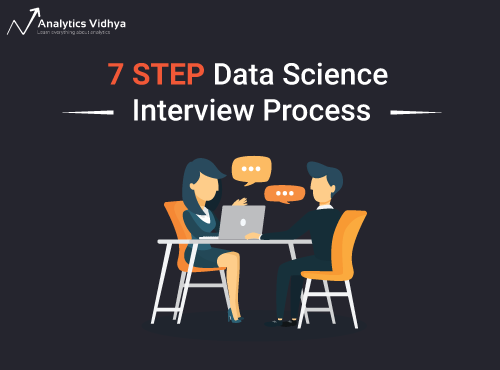
Navigating the Seven-Stage Interview Odyssey
Stage 1: Strategic Role Identification
Understanding the data science ecosystem requires more than surface-level exploration. Each role—whether data scientist, machine learning engineer, or data architect—demands a nuanced skill set.
A data scientist might require deep statistical knowledge and machine learning expertise, while a data engineer needs robust software engineering skills. Your interview preparation must be laser-focused on the specific role‘s requirements.
Stage 2: Digital Professional Branding
In today‘s interconnected world, your professional digital presence speaks volumes before you utter a single word in an interview. Platforms like LinkedIn and GitHub have become virtual portfolios that recruiters meticulously examine.
Crafting a compelling digital narrative involves strategic storytelling. Your online profiles should not merely list skills but illustrate your professional journey, showcasing projects, contributions, and continuous learning commitment.
Stage 3: Resume Architecture
Your resume is more than a document—it‘s a strategic marketing tool. Each section should be carefully constructed to highlight not just your achievements, but your potential for future growth.
Quantifiable achievements trump generic descriptions. Instead of stating "Implemented machine learning models," demonstrate impact: "Developed predictive models reducing operational costs by 22% through advanced algorithmic techniques."
Stage 4: Telephonic Screening Mastery
The initial screening call represents a critical filtering mechanism. Recruiters are simultaneously assessing technical competence and communication effectiveness.
Preparation involves more than rehearsing standard responses. Practice articulating complex technical concepts in clear, concise language. Your ability to translate technical jargon into understandable narratives will set you apart.
Stage 5: Technical Assignment Navigation
Technical assignments are practical demonstrations of your problem-solving capabilities. Approach these not as mere tasks but as opportunities to showcase your analytical thinking and creative approach to data challenges.
Successful candidates go beyond meeting basic requirements. They provide comprehensive analysis, demonstrate multiple solution approaches, and offer insights that reveal deeper understanding.
Stage 6: In-Person Interview Dynamics
In-person interviews represent the culmination of your preparation. Here, technical knowledge intertwines with interpersonal skills. Interviewers assess not just what you know, but how you think, communicate, and collaborate.
Develop a storytelling approach to technical discussions. Each technical explanation should be a narrative that reveals your thought process, adaptability, and passion for solving complex problems.
Stage 7: Post-Interview Excellence
The interview doesn‘t conclude when you leave the room. Strategic follow-up, reflective learning, and continuous skill development are crucial.
Send personalized thank-you notes that reference specific discussion points. Demonstrate your ongoing interest and commitment to professional growth.
The Continuous Learning Imperative
Data science is an ever-evolving field. Your interview preparation is not a destination but a continuous journey of learning, adaptation, and growth.
Stay curious. Attend conferences, participate in online communities, contribute to open-source projects. Your commitment to continuous improvement will shine through in every interview interaction.
Conclusion: Your Unique Professional Narrative
Remember, behind every data point, every algorithm, and every model is a human story. Your interview is an opportunity to share your unique professional narrative—a story of passion, curiosity, and relentless pursuit of knowledge.
Embrace the journey. Your dream data science role awaits.