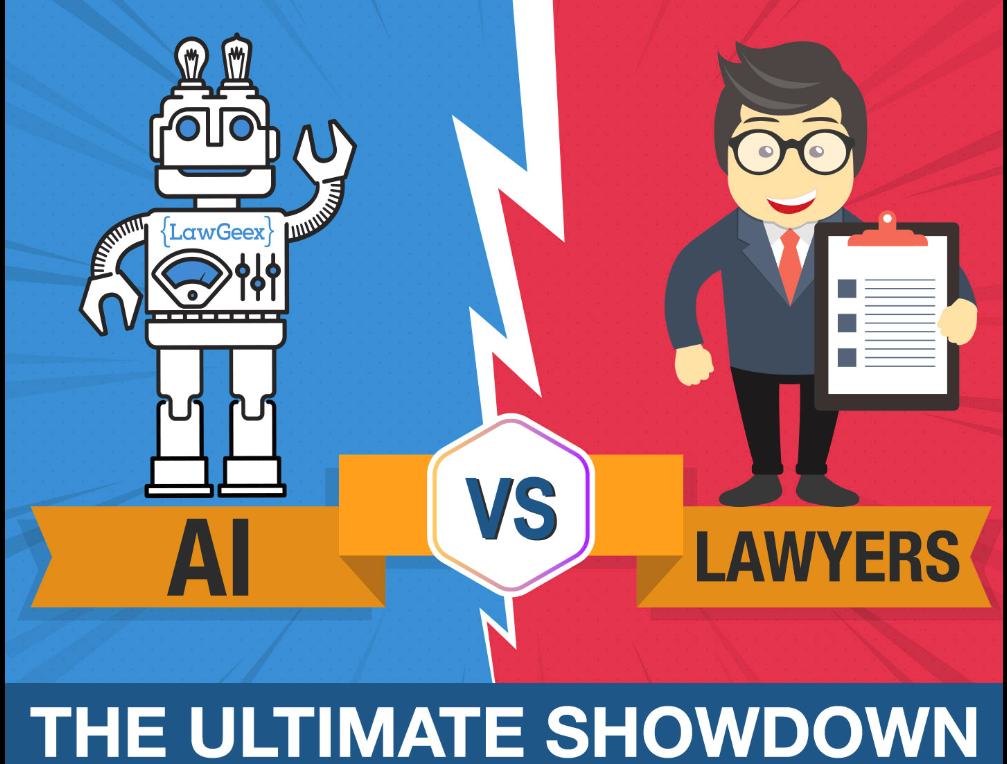
AI Revolutionizes Contract Reading: When Technology Outpaces Human Expertise
The Dawn of a New Legal Technological Era
Imagine sitting across from a colleague who can read and analyze an entire contract in mere seconds, with near-perfect accuracy. This isn‘t science fiction—it‘s the emerging reality of artificial intelligence in legal technology. As someone who has watched technological transformations reshape industries, I‘m witnessing something truly remarkable: AI systems that can read contracts with unprecedented speed and precision.
A Personal Journey into Legal Tech Transformation
My fascination with contract reading technology began years ago, observing the painstaking, hours-long process lawyers would endure reviewing complex legal documents. Traditionally, contract analysis meant endless hours of meticulous reading, cross-referencing, and manual risk assessment. Lawyers would spend entire days buried in paperwork, their eyes straining, searching for potential pitfalls and hidden clauses.
The Technological Marvel: How AI Reads Contracts
Modern artificial intelligence doesn‘t just read contracts—it comprehends them. Using advanced Natural Language Processing (NLP) and machine learning algorithms, these systems can dissect legal language with extraordinary sophistication. The technology goes far beyond simple text scanning; it understands context, identifies nuanced legal implications, and flags potential risks with remarkable accuracy.
The Neural Network Behind the Magic
At the core of these AI systems are complex neural networks trained on thousands—sometimes hundreds of thousands—of legal documents. These networks learn by consuming massive datasets, developing an almost intuitive understanding of legal language. Unlike traditional software, these systems don‘t just match keywords; they interpret semantic meanings, recognize patterns, and make intelligent assessments.
Performance That Defies Imagination
Let‘s talk numbers that will make any legal professional sit up and take notice. Where a human lawyer might spend 92 minutes carefully reviewing a contract, an AI system accomplishes the same task in a mere 26 seconds. But speed isn‘t the only impressive metric—these systems consistently achieve accuracy rates between 94-96%, often outperforming their human counterparts.
A Comparative Performance Analysis
In a groundbreaking study conducted by legal technology researchers, AI systems demonstrated capabilities that seemed almost supernatural. While experienced lawyers averaged 85% accuracy with significant time investment, AI consistently delivered near-perfect contract analysis in a fraction of the time.
Real-World Implications and Industry Transformation
The impact extends far beyond simple efficiency. Industries ranging from technology and finance to healthcare and real estate are experiencing fundamental shifts in how legal documentation is processed. Companies can now review complex contracts in minutes, reducing operational costs and minimizing human error.
Economic Ripple Effects
Consider the economic implications: organizations can potentially reduce legal operational expenses by up to 70%. This isn‘t just about saving time—it‘s about reallocating human expertise toward more strategic, creative tasks that truly require human intelligence.
Technological Limitations and Ongoing Challenges
Despite its impressive capabilities, AI contract reading isn‘t a magic solution. Complex legal languages, jurisdiction-specific variations, and nuanced contextual understanding remain significant challenges. The technology represents a powerful tool, not a complete replacement for human legal expertise.
The Human-AI Collaboration Model
Most forward-thinking legal professionals view AI as a collaborative partner rather than a competitor. The future isn‘t about replacing lawyers but empowering them with unprecedented analytical capabilities.
Ethical Considerations and Professional Evolution
As with any transformative technology, AI contract reading raises important ethical questions. How do we ensure fair implementation? What new skills will legal professionals need to develop? These are conversations happening in law firms, technology conferences, and academic institutions worldwide.
Preparing for a New Professional Landscape
Lawyers who embrace this technology will find themselves better positioned to deliver value. The role is shifting from manual document review to strategic analysis, risk management, and complex problem-solving.
Looking Toward the Horizon: Future Developments
The trajectory of AI in legal technology is nothing short of exciting. We‘re witnessing the early stages of a technological revolution that will fundamentally reshape how legal work is conducted. Emerging trends point toward even more sophisticated systems with enhanced multilingual capabilities, real-time risk assessment, and increasingly nuanced understanding.
Continuous Learning and Adaptation
These AI systems aren‘t static—they‘re continuously learning, improving, and refining their capabilities. Each contract processed becomes an opportunity for enhanced understanding and more sophisticated analysis.
A Personal Reflection on Technological Transformation
Having watched numerous technological revolutions, I‘m struck by how AI contract reading represents more than just an incremental improvement. This is a fundamental reimagining of how legal work gets done—a true paradigm shift that will echo through professional landscapes for decades to come.
Embracing the Future, Respecting Expertise
The most successful approach will be one of collaboration—leveraging AI‘s computational power while maintaining the nuanced judgment that only human expertise can provide.
Conclusion: We‘re Just Getting Started
AI-powered contract reading isn‘t the end of a journey—it‘s the beginning of an extraordinary technological adventure. As these systems continue to evolve, we can expect capabilities that today seem almost unimaginable.
The contract reading revolution isn‘t coming. It‘s already here.