Analytical Concepts: A Comprehensive Guide for Professionals and Emerging Experts
The Data Revolution: A Personal Journey into Analytics
Imagine standing at the crossroads of technological innovation, where every piece of data tells a story waiting to be unraveled. As someone who has navigated the complex landscape of analytics for years, I‘ve witnessed firsthand how data transforms from mere numbers into powerful insights that drive organizational success.
Understanding the Analytics Ecosystem
The world of analytics isn‘t just about crunching numbers—it‘s about understanding human behavior, predicting complex systems, and creating meaningful narratives from seemingly disconnected information. When I first started my journey, analytics was a niche field. Today, it‘s the backbone of decision-making across industries.
The Evolutionary Path of Data Science
Data science has evolved from simple statistical calculations to sophisticated machine learning models that can predict intricate patterns with remarkable accuracy. What once required weeks of manual analysis can now be accomplished in minutes through advanced computational techniques.
Descriptive Analytics: Decoding Historical Narratives
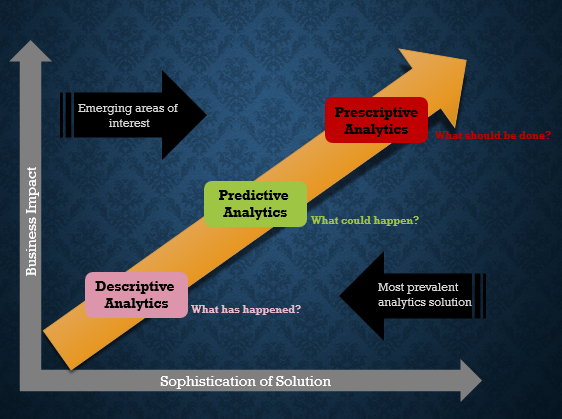
Descriptive analytics serves as the foundation of our analytical journey. Think of it as a historical detective, meticulously examining past events to understand underlying patterns and trends.
Consider a retail organization tracking sales performance. Descriptive analytics allows them to:
- Understand seasonal purchasing behaviors
- Identify product performance trends
- Analyze customer segmentation strategies
The magic lies not just in collecting data, but in transforming raw information into meaningful insights that drive strategic decisions.
Statistical Techniques in Descriptive Analysis
Modern descriptive analytics leverages advanced statistical methods like:
- Regression analysis
- Variance calculations
- Correlation studies
These techniques help professionals move beyond surface-level observations and dive deep into the nuanced world of data interpretation.
Predictive Analytics: Glimpsing into the Future
Predictive analytics represents the next frontier of data exploration. By utilizing complex algorithms and machine learning models, we can now forecast potential outcomes with unprecedented precision.
Imagine being able to:
- Predict customer churn before it happens
- Anticipate market trends
- Develop proactive business strategies
The computational power behind predictive models has transformed from theoretical concepts to practical, implementable solutions.
Machine Learning: The Engine of Predictive Insights
Neural networks and advanced algorithms enable systems to learn from historical data, continuously refining their predictive capabilities. What seemed like science fiction a decade ago is now standard practice in leading organizations.
Prescriptive Analytics: Recommending Strategic Actions
The pinnacle of analytical sophistication, prescriptive analytics goes beyond prediction to recommend optimal actions.
Consider an airline optimizing ticket pricing. A prescriptive model doesn‘t just predict demand—it suggests the exact pricing strategy to maximize revenue while maintaining customer satisfaction.
Complex Algorithmic Frameworks
Prescriptive models integrate:
- Stochastic optimization techniques
- Simulation methodologies
- Business rule incorporation
These sophisticated frameworks allow organizations to make data-driven decisions with remarkable precision.
The Human Element in Data Science
While technologies continue to advance, the most critical component remains human interpretation. Data doesn‘t speak for itself—it requires skilled professionals who can translate complex information into actionable strategies.
Developing Analytical Mindsets
Successful data professionals aren‘t just technical experts. They are:
- Critical thinkers
- Storytellers
- Strategic communicators
- Continuous learners
Emerging Technologies and Future Trajectories
Artificial Intelligence and machine learning continue to push analytical boundaries. Quantum computing, advanced neural networks, and ethical AI frameworks are reshaping how we understand and utilize data.
Career Transformation Strategies
For professionals looking to enter or advance in the analytics domain, continuous learning is paramount. Online platforms, specialized certifications, and hands-on project experiences provide invaluable skill development opportunities.
Ethical Considerations in Data Science
As analytics becomes more powerful, ethical considerations become increasingly important. Responsible data usage, privacy protection, and transparent algorithmic design are crucial elements of modern analytical practices.
Conclusion: Embracing the Data-Driven Future
The analytical landscape is not just a technological domain—it‘s a dynamic ecosystem of human creativity, computational power, and strategic thinking. Whether you‘re a seasoned professional or an emerging expert, the journey into analytics promises endless opportunities for growth and innovation.
Your path begins with curiosity, commitment to learning, and the courage to explore complex data landscapes.
Recommended Learning Resources
- Coursera Data Science Specializations
- MIT OpenCourseWare Analytics Courses
- Google Cloud Professional Data Engineer Certification
- Kaggle Learning Platforms
Remember, in the world of analytics, every data point tells a story. Your job is to listen, interpret, and transform those stories into meaningful insights.