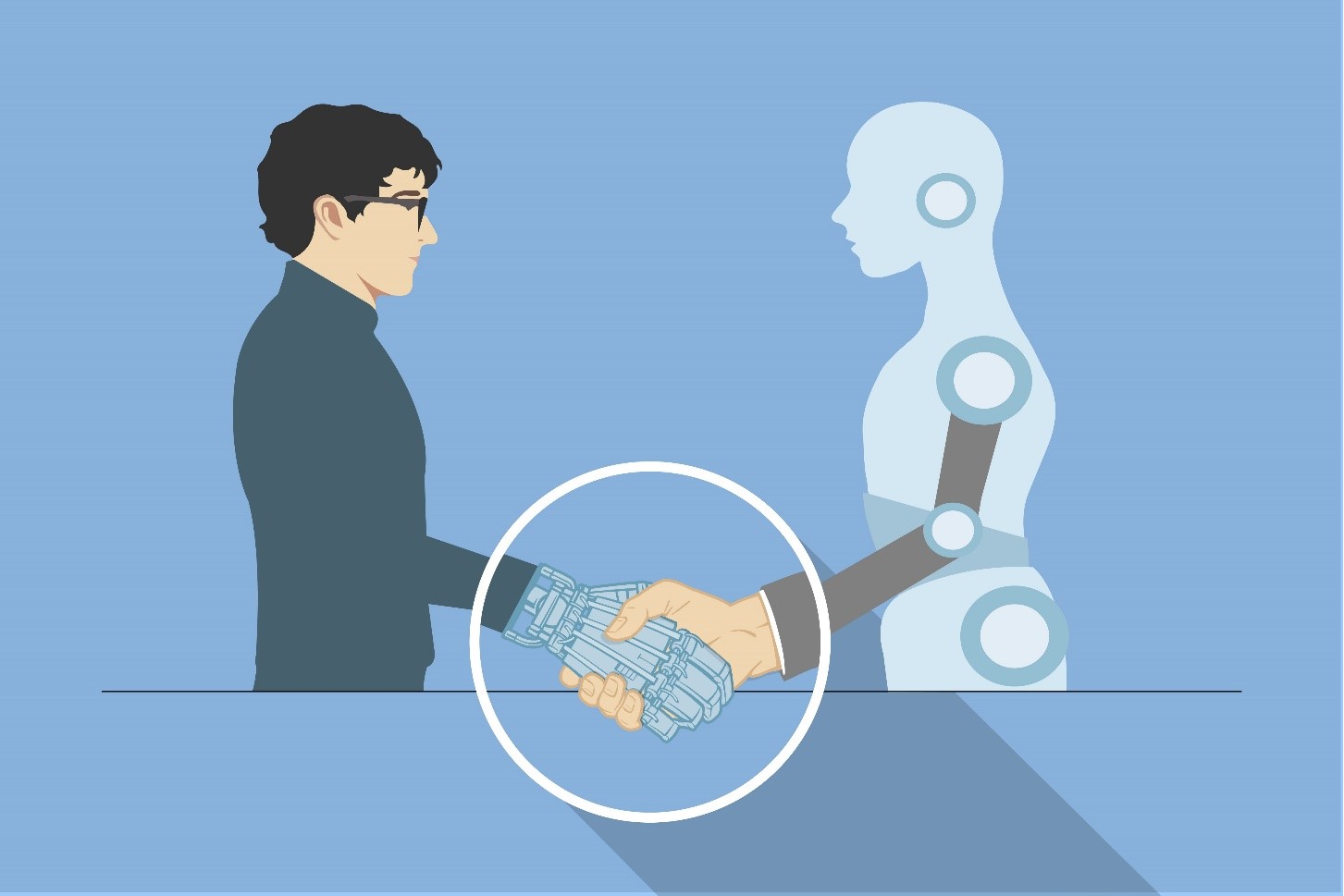
Artificial Intelligence Demystified: A Deep Dive into Machine Learning Landscapes
The Extraordinary Journey of Intelligent Machines
Imagine standing at the crossroads of human creativity and computational power. This is where artificial intelligence breathes life into silicon and algorithms, transforming abstract mathematical concepts into systems that can learn, adapt, and evolve.
The Genesis of Machine Intelligence
The story of artificial intelligence isn‘t just a technological narrative—it‘s a profound exploration of human potential. From the earliest computational theories to today‘s sophisticated neural networks, we‘ve been reimagining the boundaries of intelligence.
Understanding Machine Learning: Beyond Simple Algorithms
When we talk about machine learning, we‘re discussing something far more nuanced than mere programming. It‘s a dynamic process where systems develop capabilities through experience, much like how humans learn and grow.
The Philosophical Underpinnings of Learning Machines
Consider how a child learns to recognize a dog. They don‘t memorize a rigid definition but gradually understand through countless interactions—observing different breeds, sizes, and contexts. Machine learning follows a remarkably similar path, building understanding through pattern recognition and iterative refinement.
Supervised Learning: Guided Exploration of Knowledge
In supervised learning, we provide our computational systems with structured guidance. Think of it like mentoring an eager apprentice. You present carefully labeled examples, allowing the system to develop predictive models by understanding relationships between inputs and outputs.
Mathematical Symphony of Learning
The magic happens through complex mathematical transformations. [Learning Rate = f(Data Quality, Algorithm Complexity)] This elegant equation captures the essence of how machines internalize knowledge, continuously adjusting their internal representations.
Unsupervised Learning: Discovering Hidden Patterns
Imagine walking into an unknown library and spontaneously organizing books without prior instructions. Unsupervised learning operates on similar principles—exploring unlabeled data to uncover inherent structures and relationships.
The Cognitive Dance of Pattern Recognition
Clustering algorithms don‘t just sort data; they reveal intricate connections invisible to human perception. By analyzing multidimensional datasets, these systems can identify subtle correlations that might escape traditional analytical approaches.
Reinforcement Learning: The Art of Strategic Adaptation
Picture a chess grandmaster refining strategies through countless matches. Reinforcement learning mirrors this process, where intelligent agents learn optimal behaviors by receiving feedback from their environment.
Real-World Strategic Implications
From autonomous vehicles navigating complex traffic scenarios to robotic systems performing intricate manufacturing tasks, reinforcement learning represents the frontier of adaptive intelligence.
Neural Networks: Architectural Marvels of Computation
Neural networks represent more than technological constructs—they‘re computational metaphors inspired by biological neural systems. Each node represents a miniature decision-maker, collectively forming complex reasoning architectures.
Evolutionary Computational Thinking
As neural network designs become increasingly sophisticated, we‘re witnessing the emergence of systems capable of nuanced, context-aware reasoning that approaches human-like cognitive flexibility.
Confronting Challenges in Machine Learning
The Data Quality Conundrum
Intelligent systems are only as good as their training data. Biased or incomplete datasets can introduce systemic errors, highlighting the critical importance of comprehensive, representative information sources.
Computational Complexity and Ethical Considerations
As machine learning systems become more powerful, we must carefully navigate the ethical landscapes they traverse. Transparency, fairness, and accountability become paramount considerations.
Emerging Frontiers of Intelligent Systems
Cognitive Architecture: Beyond Traditional Boundaries
Researchers are now developing AI systems that more closely emulate human cognitive processes. This includes contextual understanding, emotional intelligence, and abstract reasoning capabilities.
Interdisciplinary Innovations
The most exciting developments in AI emerge from collaborative spaces—where computer scientists, neuroscientists, philosophers, and ethicists converge to reimagine intelligent systems.
The Human Element in Technological Evolution
While we celebrate computational achievements, it‘s crucial to remember that artificial intelligence remains a human-driven endeavor. These systems are extensions of our collective imagination, creativity, and relentless curiosity.
Preparing for an Intelligent Future
For aspiring professionals, the path forward involves:
- Cultivating robust mathematical foundations
- Developing interdisciplinary perspectives
- Maintaining ethical consciousness
- Embracing continuous learning
Conclusion: A Continuous Journey of Discovery
Artificial intelligence represents humanity‘s most ambitious technological exploration. We‘re not just building machines; we‘re expanding the very definition of intelligence, creativity, and potential.
Each algorithm, each neural network, tells a story of human ingenuity—a testament to our extraordinary capacity to understand, create, and transcend existing limitations.
The journey continues, and you‘re invited to be part of this remarkable adventure.