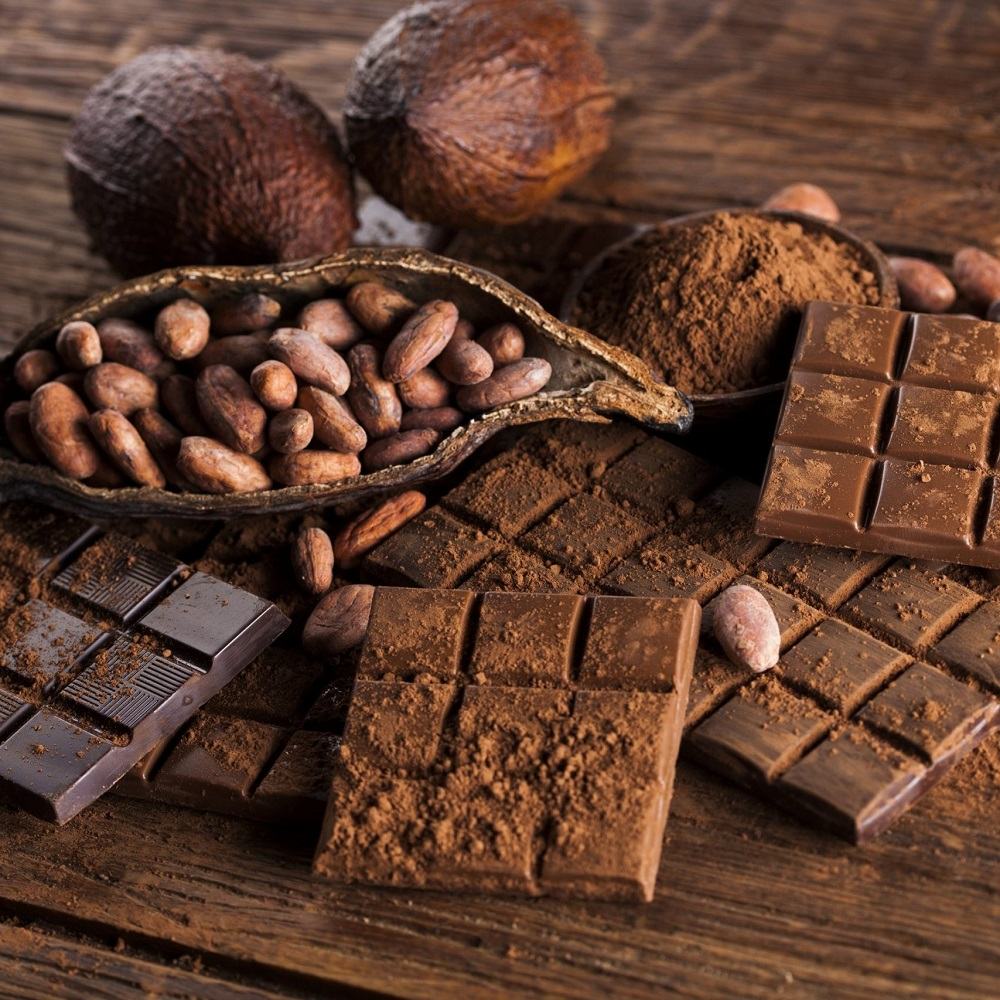
Your Guide to the Best Chocolate Brands for Serious Chocoholics
Hey fellow chocolate lovers, it‘s your resident fashionista and foodie here! You know I‘m always on the hunt for the best of the best, whether it‘s the latest designer handbag or the most drool-worthy sweet treats. So naturally, I‘ve done exhaustive research (read: eaten my weight in chocolate) to bring you my definitive guide to the world‘s best chocolate brands.
Life‘s too short for chalky, waxy, tasteless chocolate, am I right? We‘re talking premium, melt-in-your-mouth, savor-every-bite chocolate here. The kind crafted with the utmost care from the finest cacao beans, bursting with complex flavors that dance on your tongue. And of course, we love a brand that sources its ingredients sustainably and ethically – good chocolate tastes even better!
I‘ve rounded up 10 top-tier chocolate brands that every bonafide chocoholic needs to know, from tried-and-true classics to artisan up-and-comers. Whether you‘re into rich dark chocolate, creamy milk, or fun flavor-infused bars, I‘ve got you covered. Grab a glass of milk (or wine, I don‘t judge!) and let‘s dive into chocolate heaven together.
The Best Chocolate Brands at a Glance
Before we go deep on each brand, here‘s a quick comparison of some key factors chocolate connoisseurs care about:
| Brand | Price (1.75-3oz bar) | Cacao % Range | Certifications |
|---|---|---|---|
| Amedei | $19 | 50-70% | – |
| Valrhona | $9 | 33-85% | Fair Trade, Organic |
| Lindt | $4 | 30-95% | Rainforest Alliance, Organic |
| Green & Black‘s | $5 | 34-85% | USDA Organic, Fair Trade |
| Theo | $5 | 45-85% | USDA Organic, Fair Trade, Non-GMO |
| Endangered Species | $4 | 55-88% | Non-GMO, Fair Trade, Vegan, Gluten-Free |
| Vosges | $9 | 45-100% | Organic |
| Godiva | $6 | 31-85% | – |
| Ghirardelli | $5 | 33-92% | – |
| Guittard | $6 | 31-91% | Non-GMO, Fair Trade, Rainforest Alliance |
*Prices based on averages from multiple retailers as of 2023. Certifications vary by product.
Amedei
If you‘re a true chocolate aficionado, you know Amedei is the holy grail. This Italian brand is famous for sourcing some of the rarest, most prized cacao varieties on Earth, like the legendary Porcelana from Venezuela. Amedei‘s small-batch bars are crafted with an obsessive attention to detail to coax out the most nuanced, complex flavors.
[Image: Amedei Porcelana bar]The 70% Porcelana bar is a revelation – impossibly silky and aromatic with notes of honey, dried fruit and cream. It‘ll set you back about $20 for a tiny 1.75oz bar, but trust me, it‘s a taste of pure luxury. For a (slightly) more affordable indulgence, the 9-bar Toscano Black tasting pack ($55) showcases a range of Amedei‘s exquisite single origin chocolates.
Amedei is tight-lipped about the details of its sourcing and production process, but the Tessieri family is said to have deep relationships with cacao growers. While the brand doesn‘t make the same sustainability claims as some others on this list, its hardcore focus on quality means only the top 5% of already rare cacao harvests make it into Amedei bars.
Valrhona
Valrhona is to pastry chefs as La Mer is to skincare fanatics – the gold standard. This French chocolatier has been around since 1922, and is renowned for its massive range of top-shelf couvertures (professional chocolate for pastry work) as well as bars, bonbons, and even baking ingredients for home cooks.
[Image: Valrhona Single Origin bars]What sets Valrhona apart is its deep commitment to terroir – the idea that a food‘s flavor is intrinsically linked to the specific place it‘s grown. Valrhona works directly with cacao producers to cultivate the most extraordinary beans and craft mind-blowingly good single origin bars. Don‘t miss the Andoa 70% Dark with its notes of malted biscuit, or the lush Bahibe 46% Milk with its brownie batter flavor.
Valrhona puts serious muscle behind its sustainability and social impact initiatives. It‘s one of the few chocolate brands that‘s Fair Trade and Organic certified across its entire line. The Valrhona Foundation supports cacao growing communities through agroforestry projects, education initiatives and diversification strategies. By 2025 the brand aims to reduce its carbon footprint by 50%.
Lindt
You probably know Lindt for its classic gold-wrapped truffles and festive chocolate bunnies, but did you know it‘s also the oldest chocolate brand on this list? Yep, Lindt‘s been churning out the good stuff since 1845 when founder Rodolphe Lindt invented the conching machine, a breakthrough that allowed for much finer, silkier textured chocolate.
[Image: Lindt truffles]Today, Lindt is synonymous with creamy, melt-in-your-mouth goodness at a reasonable price point. For dark chocolate devotees, the Excellence line goes up to a whopping 95% cacao, one of the highest on the mainstream market. I‘m partial to the 70% bar for its robust flavor and hint of dried cherry notes. And of course, it‘s impossible to eat just one of the iconic truffles – the Milk Chocolate and Hazelnut is a classic for a reason!
Like several other major chocolate brands, Lindt has ramped up its sustainability game in recent years under pressure from consumers and food justice advocates. It‘s pledged to have a fully traceable and verified supply chain by 2025 and currently sources about 80% of its cacao through sustainability programs. The Lindt & Sprüngli Farming Program invests in community development and climate-smart agriculture in key cacao growing origins.
Green & Black‘s
When it launched in 1991, Green & Black‘s became the UK‘s first Fairtrade certified chocolate brand. Today, the brand remains committed to its organic and ethical roots while delivering bold, complex flavors.
[Image: Green & Black‘s cacao pod illustration]Green & Black‘s is my go-to for a midday pick-me-up. The Organic Dark 70% bar strikes the perfect balance of intense cacao and mellow creaminess, while the Milk Chocolate with Almonds has just the right amount of crunch and nuttiness. For a real treat, spring for the Velvet Edition – a box of individually wrapped chocolate bars in unique flavors like Salted Caramel, Orange & Almond, and Mint.
What I love about Green & Black‘s (besides the taste of course) is its transparency around sourcing. The brand has long-term partnerships with small-scale organic cacao farmer co-ops in the Dominican Republic and Belize. Farmers are guaranteed a fair price and technical support to improve yields and quality. Fun fact: the name comes from the "green" environmentally friendly values and "black" high-quality cacao!
Theo
Here‘s a brand that lives and breathes its values. Theo bills itself as the first organic and Fair Trade certified chocolate maker in North America, with direct, transparent trade relationships that go above and beyond typical certifications.
[Image: Theo factory in Seattle]Theo makes some of the best cacao-forward dark chocolate on the market. Even its flavored bars like the Cherry Almond and Coffee taste "more chocolatey" than most, letting the nuances of the single origin beans shine. For a fun splurge, try the seasonal Halloween Ghost Chili Caramels – a spicy-sweet kick in the taste buds!
From its solar-powered factory in Seattle to its partnerships with grower co-ops in the Congo and Peru, Theo goes all in on sustainability and social impact. It sources 100% of its ingredients ethically and pays well above market prices to support farmer livelihoods. The brand also donates a portion of profits to food justice and conservation non-profits.
Endangered Species
Want your chocolate to literally help save the world? Endangered Species is the brand for you. This sustainability superstar donates 10% of net profits to conservation organizations like the Rainforest Trust and African Wildlife Foundation.
[Image: Endangered Species animal-themed chocolate bars]Of course, Endangered Species bars don‘t just do good, they taste good too! The Oat Milk 55% is the dairy-free milk chocolate of my dreams – so smooth and creamy you‘d never guess it was vegan. For the dark chocolate purists, the 88% Panther bar is bold yet nuanced with a subtle floral aroma. Each bar is adorned with an illustration of the endangered animal it helps to protect, serving as a beautiful reminder of the impact of your purchase.
Endangered Species walks the walk of sustainability and social impact. Its chocolate is USDA Organic, Non-GMO Project Verified, and Fair Trade. The brand has donated over $2.6 million to its giving partners since 2016, helping protect nearly 25 million acres of critical wildlife habitat. How‘s that for guilt-free indulgence?
Vosges
Vosges is not your average chocolate bar. Founder Katrina Markoff takes inspiration from her world travels to create wildly inventive flavor combinations using the finest ingredients. Prepare your palate for a one-of-a-kind chocolate adventure!
[Image: Vosges exotic truffle collection]If you‘re feeling adventurous, try the Oaxaca bar with its warm guajillo and pasilla chili notes, or the Red Fire bar spiked with cinnamon and ancho chili. For something a bit more mellow but no less intriguing, I love the Black Salt Caramel bar – the perfect balance of smoky and sweet.
Vosges‘ ethical sourcing is as impressive as its avant-garde flavors. The brand pays premium prices for top-tier cacao that‘s organically and sustainably grown by small family farmers. Its ongoing purple cacao initiative promotes regenerative agricultural practices and women‘s empowerment in indigenous cacao growing communities.
Godiva
Godiva is the grand dame of luxury chocolate, with a brand cachet that rivals the likes of Louis Vuitton or Hermes. Its gold ballotin boxes have been synonymous with indulgent gifting since the 1920s when the Draps family began crafting praline in Brussels.
[Image: Godiva gold chocolate box]These days, Godiva chocolates are a global phenomenon sold in over 100 countries. The brand has expanded far beyond its signature truffles to offer everything from single origin chocolate tablets to soft serve "Chocolixir" drinks. But purists know the classic Gold Ballotin is still the ultimate gift. My personal favorite is the 8-piece biscuit assortment with its delectable mix of dark, milk and white chocolate-covered cookies.
In 2012, Godiva launched its Sustainable Cocoa Program in partnership with the Earthworm Foundation. The brand is working towards a goal of 100% sustainable cocoa by 2030. Currently about 43% of its supply is sustainably sourced via Rainforest Alliance and Fairtrade certifications.
Ghirardelli
Ghirardelli may be best known for its fabulous ice cream sundaes (if you know, you know), but America‘s oldest continuously operating chocolate maker also produces some darn good bars. This San Francisco icon has been churning out chocolate since 1852!
[Image: Woman enjoying Ghirardelli chocolate]Ghirardelli‘s Intense Dark line is my jam when I‘m craving a deep, dark chocolate fix. The 92% Cacao Moonlight Mystique actually tastes milder than the percentage would suggest, with a pleasant earthy flavor and just a hint of fruit. For the milk chocolate lovers, the classic Milk Chocolate Caramel Squares marry luscious milk chocolate with buttery caramel for straight-up comfort food bliss.
In 2021, Ghirardelli announced an ambitious new sustainability plan called "Thriving Futures." It aims to reduce the company‘s environmental footprint while promoting human rights and women‘s empowerment across the supply chain. The goal is to source 100% of cacao from Rainforest Alliance Certified producers and to reach 100% sustainable packaging by 2025.
Guittard
You may not be as familiar with Guittard as some of the other big name chocolates on this list, but trust me, this is one under-the-radar brand worth seeking out. Since 1868, the Guittard family has been making top-notch chocolate beloved by professional and home bakers alike.
[Image: Guittard chocolate baking products]One of my favorite things about Guittard is its Eureka Works line of limited edition, single origin bars. These bars showcase the unique flavors of cacao grown by farmers and co-ops that Guittard works with directly. Keep an eye out for the beautifully packaged Esmeraldas 65% Dark from Ecuador with its notes of flowers, sweet cream and honey.
Guittard takes a holistic approach to sustainability it calls "Cultivate Better." It invests in farmer training programs, environmental regeneration projects, and community development initiatives in cacao growing regions. 98% of Guittard products are Fair Trade Certified.
Ready to find your ultimate chocolate match?
With so many insanely good chocolate options out there, every day is a great day for a tasting party! Here are a few fun ways to explore the wide world of craft chocolate:
-
Build a chocolate board: Grab a few different bars from the brands on this list (vary the cacao percentages and origins for a range of flavors). Break them into bite-sized pieces and arrange on a wooden board with fruits, nuts, cheese, or whatever else strikes your fancy. Add a bottle of red wine and you‘ve got yourself a party!
-
Host a blind tasting: Want to find out what chocolate you really like best when fancy packaging and price tags are taken out of the equation? Conduct a good old-fashioned blind taste test! Have a friend prep a few samples of different chocolates, then taste each one and take notes on the flavors and textures you detect. The results may surprise you!
-
Attend a virtual tasting: Many craft chocolate brands like Guittard and Valrhona offer virtual tastings where you can sample their bars with expert guidance from a real-life chocolate maker. It‘s a fun way to hone your palate and learn more about cacao origins and chocolate production.
The bottom line? Life‘s too short not to treat yourself (and the people you love) to really spectacular chocolate. Choosing a bar made with quality cacao that‘s ethically and sustainably sourced is a small luxury that can make a big impact – both on your taste buds and cacao growing communities around the globe. Now go forth and get your chocolate fix, fashionistas!