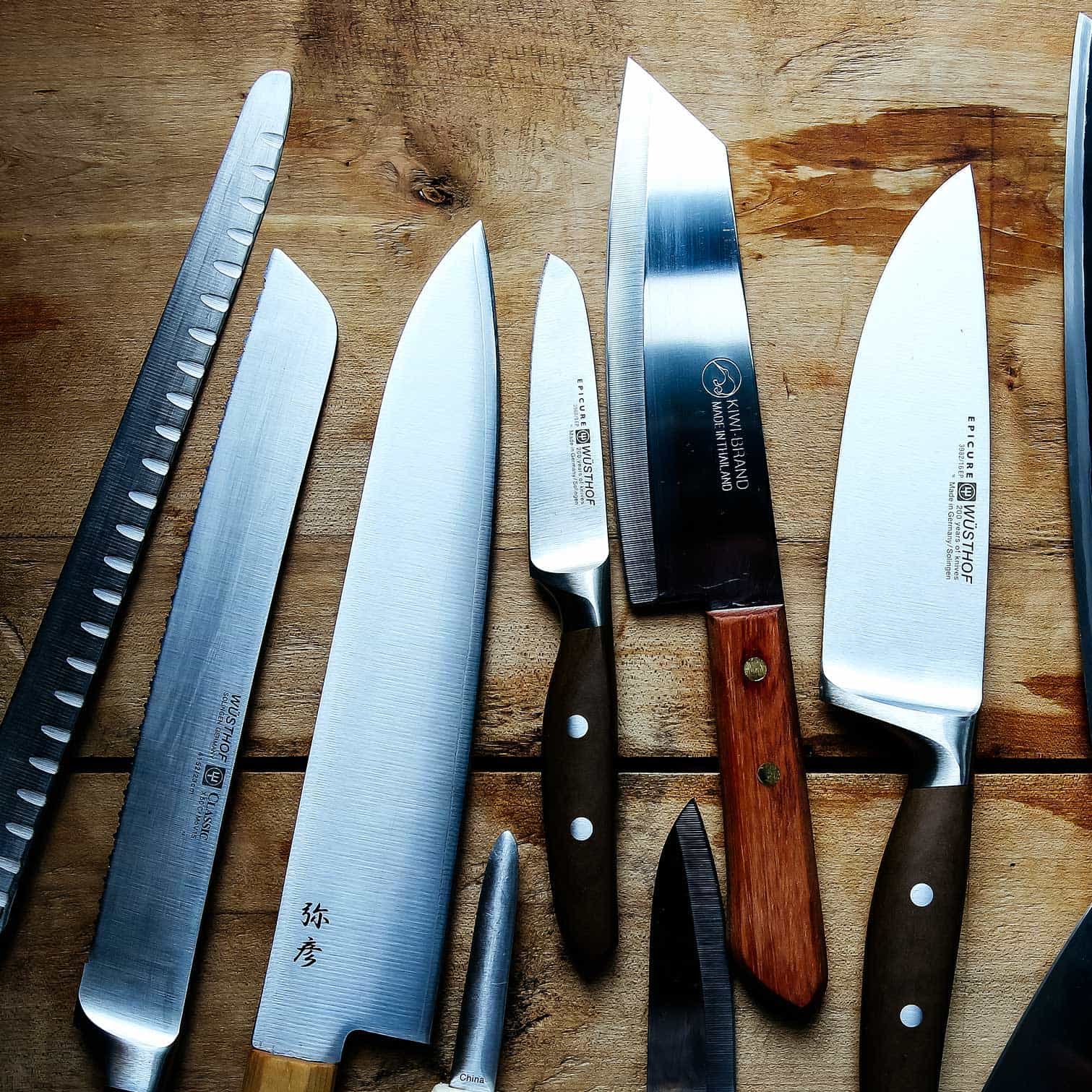
The 12 Best Kitchen Knife Brands for Home Cooks and Professionals
A high-quality, razor-sharp chef‘s knife is any cook‘s most important tool. Dull, poorly made knives make prep work a chore and can even be dangerous. But with so many knife brands and styles to choose from, finding the perfect blade can seem daunting.
To help you make an informed decision, we‘ve compiled the ultimate guide to the best kitchen knife brands for every budget and cooking style. Whether you‘re a professional chef or a passionate home cook, upgrading to one of these top-rated knives will make slicing and dicing a breeze. Let‘s dive in!
Why Investing in Quality Knives Makes a Difference
Think of kitchen knives as an investment in your culinary future. While you can get by with cheap, flimsy blades, investing in a quality knife set will drastically improve your cooking experience and last you for years to come. Here‘s why it‘s worth spending a bit more:
-
Sharper blades: High-end knives use harder, more durable steels that can be sharpened to a finer edge and hold it longer. Sharp knives cut more precisely and make prep work faster and easier.
-
Better balance and control: Quality knives are weighted and balanced for optimal control and efficiency of movement. Ergonomic handles fit comfortably in your hand and prevent slips.
-
Longer-lasting: With proper care, forged high-carbon stainless steel blades from top brands can last for decades. Some even come with lifetime warranties.
-
Pride of ownership: Not only will your cooking improve, but you‘ll feel a sense of pride working with fine handcrafted tools from renowned bladesmiths. Cooking will become a joy, not a chore.
Now that you appreciate the importance of quality cutlery, let‘s meet the makers! Here are the 12 best kitchen knife brands on the market today.
1. Wüsthof
Founded in 1814 in Solingen, Germany (known as the "City of Blades"), Wüsthof is one of the most respected names in knifemaking. For over 200 years, this family-owned company has crafted some of the finest Western-style blades favored by pro chefs and passionate home cooks alike.
All Wüsthof knives are forged from X50CrMoV15 steel, a high-carbon stainless steel known for its sharpness, durability, and corrosion resistance. They feature a 14-degree edge angle for superior cutting performance. The most popular line is the Classic series which includes essential knives for everyday cooking.
Pros:
- Extremely sharp with excellent edge retention
- Perfectly balanced, comfortable handles
- Durable, corrosion-resistant steel
- Lifetime warranty
Cons:
- Expensive
- Heavier than Japanese-style knives
2. Zwilling J.A. Henckels
The other famous "City of Blades" brand, Zwilling J.A. Henckels has been making premium cutlery since 1731. Also family-owned and operated, Henckels upholds the strictest quality standards and meticulous craftsmanship passed down through generations.
Henckels offers several knife lines at different price points, from the affordable Gourmet series to the ultra-premium Kramer Euroline collection designed by master bladesmith Bob Kramer. All are made from high-carbon stainless steel, ice-hardened for added strength and durability. The classic triple-riveted handles are contoured for a secure, ergonomic grip.
Pros:
- Excellent variety of lines for every budget
- High-quality German steel
- Well-balanced, comfortable handles
- Lifetime warranty
Cons:
- Some collections are stamped, not forged
- Slightly less sharp than Wüsthof
3. Shun
Handcrafted in Seki City, Japan, Shun knives are known for their gorgeous Damascus-clad blades, ultra-sharp edges, and sleek, modern design. Inspired by the traditions of ancient sword smiths, each knife undergoes a rigorous multi-step process of forging, grinding, polishing, and honing.
Shun uses a proprietary VG-MAX super steel core clad with 34 layers of Damascus stainless steel for a hard yet flexible blade that holds an edge. Their 16-degree double-bevel edge is sharper than traditional European blades but sturdier than single-bevel Japanese knives. Handles are made from durable, moisture-resistant Pakkawood.
Pros:
- Extremely sharp, precise blades
- Lightweight and easy to handle
- Rust and corrosion resistant
- Lifetime warranty
Cons:
- Expensive
- Harder steel may chip if misused
- May be too delicate for heavy-duty tasks
4. Global
Founded in 1985 by master designer Komin Yamada, Global knives are manufactured by Yoshikin in Niigata, Japan. Known for their distinctive one-piece, stainless steel design, Global‘s lightweight knives are a favorite among professional chefs.
The blades are precision stamped from Cromova 18 high-carbon stainless steel and ice-tempered for hardness and corrosion resistance. The edges are sharpened to a steep 15-degree angle for unparalleled sharpness out of the box. The hollow handles are dimpled for a slip-resistant grip and filled with sand for optimum balance.
Pros:
- Lightweight and extremely maneuverable
- Razor-sharp edges
- Durable stainless steel resists rust
- Seamless construction is easy to clean
Cons:
- Metal handles may be uncomfortable for some
- Very lightweight feel isn‘t for everyone
- Stamped blades lack some durability vs forged
5. MAC
Since 1964, MAC Corporation has been dedicated to producing premium Japanese kitchen cutlery. Manufactured in Seki City using a blend of traditional hand finishing and modern technology, MAC knives are prized for their exceptional sharpness, balance, and fit and finish.
MAC offers several series of knives in Western and Japanese styles, from the entry-level Chef Series to the ultra-sharp Professional collection. Most feature a thin, nimble blade with a 15-degree edge made from hard, high-carbon molybdenum steel. This allows for precise cuts and easy sharpening. Pakkawood handles are secured with stainless steel rivets.
Pros:
- Super sharp edges
- Lightweight and well-balanced
- Good variety of lines and styles
- 25-year warranty
Cons:
- Harder steel prone to chipping
- Blades may be too delicate for some
6. Victorinox
Victorinox is a trusted Swiss brand known for inventing the Original Swiss Army Knife in 1897. Today, they also craft professional-grade cutlery with the same dedication to quality and functionality.
While Victorinox makes a range of stamped and forged knives, it‘s their affordable stamped blades that stand out from the competition. The Fibrox Pro line is a staple in commercial kitchens. Lightweight, easy to sharpen, and very durable, they‘re made from high-carbon stainless steel and feature slip-resistant, ergonomic handles.
Pros:
- Very affordable
- Lightweight but strong
- Low-maintenance
- Lifetime warranty
Cons:
- Stamped blades not as heavy-duty as forged
- Steel is softer than some premium brands
- Utilitarian design
Some Tips for Choosing Kitchen Knives
With so many excellent kitchen knife brands to choose from, how do you pick the right blades for you? Here are the key factors to consider:
Blade Material: Look for "high-carbon stainless steel" which offers the best combination of sharpness, durability, and rust-resistance. Avoid plain stainless steel, which is too soft to hold a keen edge.
Edge Angle: European-style knives typically have an edge angle of 20-22 degrees, while Japanese knives are sharpened to 12-15 degrees. The latter will be sharper but may require more frequent honing.
Forged vs. Stamped: Forged knives are made from a single bar of steel that is heated and shaped, resulting in a heavier, sturdier blade with a bolster. Stamped blades are laser-cut from steel sheets – they are lighter, more affordable, and hold an edge well, but lack the heft and durability of forged.
Handle Material: Wood handles are beautiful and sturdy but require more upkeep. Plastic and rubber handles are low-maintenance and offer a good grip. Avoid cheap, slippery handles that may cause accidents.
Balance: A well-balanced knife should feel natural in your hand, not tip-heavy. The blade and handle should have a similar weight. To test balance, try gripping the knife by the handle and holding it horizontally – it should not tilt forward or back.
Size and Weight: Choose a knife that is comfortable to hold and appropriate for your hand size. An 8-inch chef‘s knife is the most versatile for everyday chopping. Paring knives are typically 3-4 inches. Weight is a personal preference – some cooks like a heavy blade for more heft and stability, while others prefer a nimble lightweight knife.
Essential Knives Every Kitchen Needs
While you can find countless specialty blades, from oyster knives to grapefruit spoons, most experts agree that these three knives are the essential workhorses every cook must own:
Chef‘s Knife: This all-purpose blade typically ranges from 6 to 12 inches long (8" is the most popular size). Use it for chopping, slicing, dicing, and mincing just about anything. May also be called a cook‘s knife or French knife.
Paring Knife: A small 3-4" blade for precision tasks like peeling apples, trimming vegetables, and cutting small fruits. Choose one that fits comfortably in your hand.
Serrated Bread Knife: The sharp serrated or scalloped edge of this long knife is ideal for slicing crusty bread, bagels, tomatoes, and citrus. Opt for a 10-11" blade that can handle wider loaves.
With these three multitaskers on hand, you‘ll be prepared to tackle the vast majority of kitchen jobs. Of course, as your culinary ambitions grow, you may want to add a boning knife, carving knife, cleaver, Santoku, or other specialty blades to your collection.
Caring for Your Knives
Even the best kitchen knives need proper care to maintain peak performance and last a lifetime. Follow these tips to keep your blades in top shape:
- Hand wash and dry immediately after use
- Store in a knife block, knife guards, or on a magnetic strip
- Sharpen regularly with a honing steel or whetstone
- Never put knives in the dishwasher
- Avoid cutting on hard surfaces like glass, marble, or metal
- Never use knives as can openers, screwdrivers, or for other unintended purposes
Final Thoughts on the Best Kitchen Knife Brands
Ultimately, the best kitchen knife brand for you depends on your cooking style, budget, and personal preferences. You really can‘t go wrong with any of the top-rated brands on this list. All offer unparalleled craftsmanship, razor-sharp edges, perfect balance, and blades that will hold up for the long haul.
If you‘re just starting to build your knife collection, we recommend beginning with one high-quality chef‘s knife, paring knife, and serrated bread knife. The Wüsthof Classic 8" Chef‘s Knife and the MAC MTH-80 Professional 8" Chef‘s Knife are both excellent choices that will become your daily workhorses.
Remember that while you can buy a decent starter knife set for under $100, it‘s wiser in the long run to invest a bit more in fewer but better knives. A well-cared for $150 chef‘s knife will easily outlast a mediocre $40 blade.
In the end, what matters most is choosing a knife that feels great in your hand and makes cooking more enjoyable. So go ahead and treat yourself to a premium knife from one of these exceptional brands – we promise you won‘t regret leveling up your chopping game.