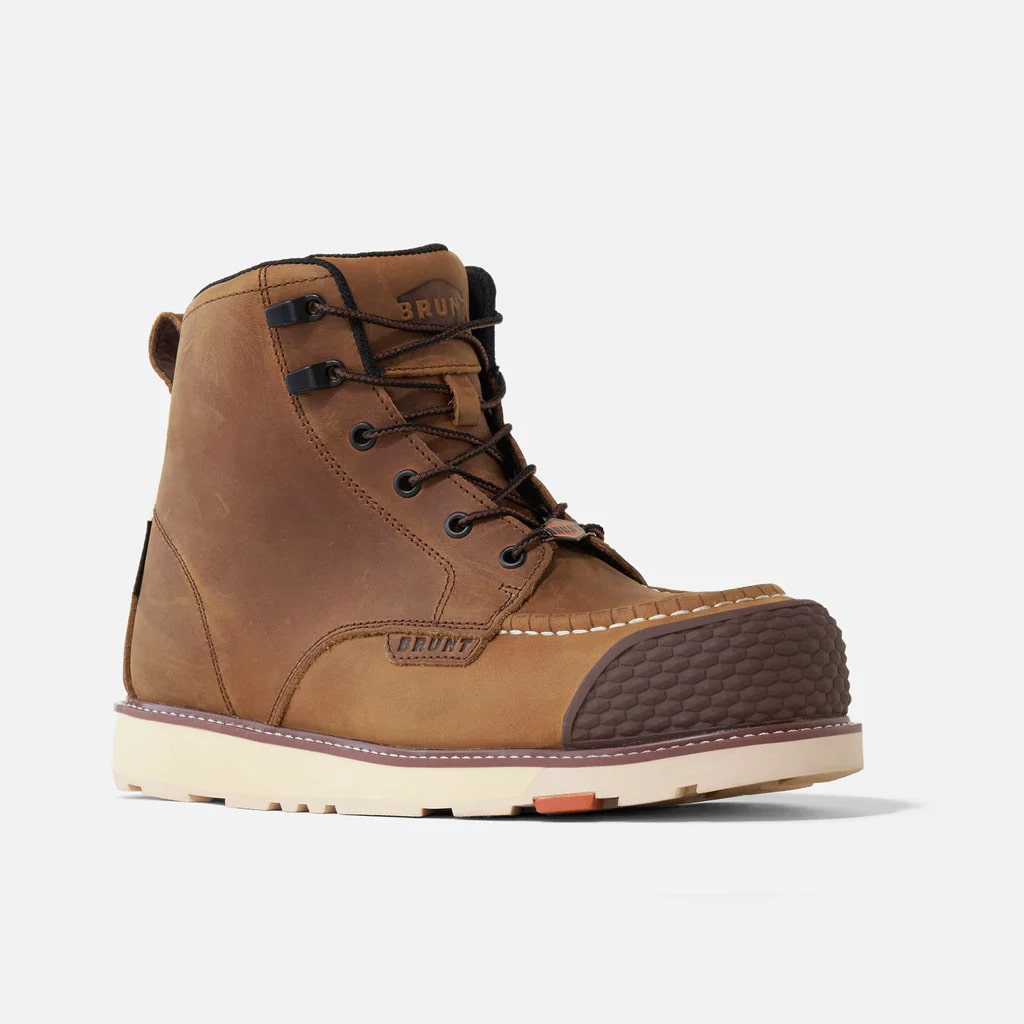
The Ultimate Guide to Waterproof Work Boots: Stay Dry, Safe & Comfortable on the Job
Hey there, fellow worker! If you‘re reading this, chances are you know all too well the misery of wet, cold feet on the job. Whether you work construction, landscaping, farming, or any other occupation that has you slogging through rain, mud, and puddles, you need a pair of work boots that can handle the elements. That‘s where waterproof boots come in to save the day (and your feet!).
As a self-professed work boot fanatic, I‘ve tried and tested dozens of pairs of waterproof boots over the years. I‘m here to share my expertise with you in this ultimate guide to choosing the best waterproof work boots for your needs. We‘ll cover why you need them, what features to look for, and my top picks for the best brands and models out there. Let‘s dive in!
Why You Absolutely Need Waterproof Work Boots
First off, let‘s talk about why investing in a good pair of waterproof work boots is so important. When your feet are wet, a few nasty things happen:
-
Your risk of developing blisters, athlete‘s foot, and other skin irritations shoots up. Soggy skin is more vulnerable to chafing and fungal growth – yuck.
-
Your feet get cold fast, especially in chilly weather. Cold, wet feet are just plain miserable and can even put you at risk for frostbite in freezing conditions.
-
You‘re more likely to slip and fall. Slick surfaces like wet concrete, mud, ice and oil are responsible for tons of workplace accidents every year.
-
Wet feet are just darn distracting and uncomfortable. It‘s hard to focus on the task at hand when your mind‘s on your squishy, wrinkled toes!
Still not convinced? Check out these scary stats on workplace foot injuries:
- There are over 60,000 foot injuries per year that result in lost work days according to the Bureau of Labor Statistics
- Of those, over 10% are caused by slips, trips and falls, many of which occur in wet or slippery conditions
- The average cost of a slip and fall accident is over $20,000 per incident when you factor in medical bills, lost productivity, and legal fees
Yikes. Investing in proper footwear is starting to sound like a bargain, huh? So now that you know the "why", let‘s get into the "what" of choosing the perfect waterproof boots.
Key Features to Look for in Waterproof Work Boots
Not all waterproof work boots are created equal. When you‘re shopping for your perfect pair, here are the key features you should look for:
🥾 Waterproofing Technology
First and foremost, make sure the boots are truly waterproof, not just water-resistant. Look for:
- Waterproof membranes like Gore-Tex or the brand‘s proprietary membrane. These form an impermeable layer between the outer boot and the lining.
- Seam-sealed construction where all the tiny needle holes from stitching are masked off for a watertight seal.
- Waterproof leather uppers that are specially tanned and treated to repel water. Full-grain leather is the most durable.
- Rubber shells that extend up over the ankle for full waterproof coverage in deep water or mud.
🦺 Safety Toes
If your job requires protective footwear, look for waterproof boots with a safety toe. Options include:
- Steel toes that can withstand heavy impact and compression. The heaviest and most protective option.
- Composite toes made of plastic, carbon fiber or Kevlar. Lighter than steel and great for extreme temps.
- Alloy toes made of aluminum or titanium. Lighter than steel but just as strong. Won‘t set off metal detectors.
All should meet the ASTM F2413 rating for protective toe impact and compression – the gold standard for job site safety.
👟 Slip-Resistant Outsoles
A waterproof upper won‘t do much good if you‘re slipping and sliding all over the place. The outsoles of your boots should be:
- Rubber which provides the best traction on wet surfaces
- Slip-resistant tread with deep, multi-directional lugs and channels to funnel away water
- Oil-resistant for improved traction on slick, oily surfaces
- Marked with a high coefficient of friction rating (0.5 or higher) per ASTM F1677 standards
🔌 Electrical Hazard Protection
If you work around live wires or powered equipment, your waterproof boots should also have electrical hazard (EH) protection. Look for:
- EH rated outsoles and heels that provide a secondary layer of insulation and meet ASTM F2413 standards
- Non-conductive materials in the midsole and uppers that won‘t conduct electricity
- No exposed metal pieces like eyelets or shanks that could conduct a current
☀️ Breathability and Insulation
While solid rubber boots offer the ultimate 100% waterproof protection, they‘re not breathable at all, so your feet will sweat. Other types of waterproof boots allow sweat vapor to escape via:
- Breathable waterproof membranes that block liquid water but allow vapor to pass through
- Moisture-wicking linings that pull sweat away from your skin and speed up evaporation
For cold weather conditions, look for added insulation measured in grams of Thinsulate or equivalent – 400g is a good middle ground for moderately cold temps.
My Top Picks for the Best Waterproof Work Boots
I‘ve personally tested hundreds of pairs of waterproof boots over the years, and here are my current top three picks:
🥇 Best Overall: Timberland PRO Boondock 6" Comp Toe
Price: $190
Waterproofing: Waterproof full-grain leather + membrane
Key Features: Composite safety toe, fiberglass shank, oil/slip resistant TPU outsole
My Experience: The Boondocks are my go-to boots for all-day comfort on long shifts. I love the roomy toe box, supportive footbed, and cushy Anti-Fatigue midsole. The rugged waterproof leather and membrane have kept my feet bone dry through countless rainstorms and muddy job sites. I wore my last pair almost daily for a year and they‘re still going strong!
| Pros | Cons |
|---|---|
| 👍 Durable, fully waterproof construction | 👎 A bit heavy |
| 👍 Exceptional all-day comfort | 👎 Pricey |
| 👍 High-traction outsole | 👎 Long break-in period |
| 👍 Protective comp toe and TPU outsole |
🥈 Best Value: Ever Boots Ultra Dry
Price: $75
Waterproofing: Waterproof leather + membrane
Key Features: Steel shank, rubber lug outsole, speedy break-in
My Experience: These are hands-down the best bang for your buck waterproof work boots out there! I couldn‘t believe how quickly they broke in – just an hour of wearing around the house and they felt as comfy as my sneakers. The waterproofing held up great in wet grass and puddles, although the leather isn‘t quite as thick as pricier boots. Awesome traction and a nice wide toe box too.
| Pros | Cons |
|---|---|
| 👍 Great value under $100 | 👎 Needs more arch support |
| 👍 Speedy break-in period | 👎 Leather could be thicker |
| 👍 Surprisingly comfy insole | 👎 Runs a little large |
| 👍 Solid traction and waterproofing |
🥉 Best for Cold: Muck Arctic Sport Rubber Boots
Price: $130
Waterproofing: 100% waterproof rubber shell + neoprene bootie
Key Features: Comfort rated to -40°F, slip-resistant outsole, stretch-fit topline
My Experience: For seriously nasty cold and wet conditions, accept no substitutes for Muck boots! I wore these for a week-long winter job pouring concrete and my feet have never been happier. The tall rubber shell and neoprene bootie keep out every last drop of slush and mud. They‘re so warm and cozy I could sleep in them, but the breathable lining keeps my feet from getting sweaty. Like wearing pillows on my feet!
| Pros | Cons |
|---|---|
| 👍 100% waterproof | 👎 Not EH rated |
| 👍 Extremely warm and comfortable | 👎 Heavy and clunky |
| 👍 Easy pull-on style | 👎 Limited ankle support |
| 👍 Built-in footbed adapts to feet |
Waterproof Boots for Specific Jobs
While the three boots above are great all-arounders, certain jobs call for specific features. Here are my top picks for common work situations:
👷♂️ Best for Construction: Keen Utility Cincinnati
With a protective carbon-fiber toe, flexible puncture-resistant midsole, ANSI/OSHA compliant slip resistance and EH protection, these waterproof boots are engineered for safety and performance on the construction site. The beefy rubber toe guard and abrasion-resistant leather can take a real beating.
🌳 Best for Landscaping: Carhartt Rugged Flex
The aggressive Ground Force outsole of these waterproof boots provides fantastic traction in mud, grass and gravel. The Storm Defender membrane and the Rugged Flex leather keep your feet dry and comfy as you crouch, kneel and climb. The composite toe and secondary protection are a plus when operating mowers and trimmers.
🚜 Best for Farming: Tingley 31151 Economy PVC Knee Boot
When you‘re mucking stalls or tromping through fields, accept no substitute for tall rubber muck boots. These no-frills PVC wellies from Tingley are 100% liquid-proof to the top of the 15-inch shaft. The durable steel shank and cleated outsoles give great support and traction in slippery muck and mire, all at an economical price.
FAQ About Waterproof Work Boots
Let‘s wrap up with answers to some commonly asked questions about waterproof boots:
Q: How do I know if a boot is truly waterproof?
A: Look for boots that specifically say "waterproof" (not just water resistant) and have features like a waterproof membrane, seam-sealed construction, full rubber shells, and/or waterproof full-grain leather outers. When in doubt, read the fine print on the label or product description!
Q: Will waterproof boots make my feet sweat?
A: Rubber boots and boots without a breathable waterproof membrane can trap sweat against your feet. Look for boots with a breathable membrane like Gore-Tex and moisture-wicking linings to allow sweat vapor to escape. Wearing moisture-wicking socks also helps a ton!
Q: How do I maintain the water resistance of my boots?
A: For leather boots, clean off dirt and grime and use a leather conditioner every few months to prevent the leather from drying out and cracking. Fabric boots can be treated with a water-resistant spray like Scotchguard. Rubber boots just need to be rinsed off and allowed to air dry completely between uses.
Q: How long do waterproof boots last?
A: On average, a well-made pair of waterproof work boots should last 6 to 12 months when worn for full-time work. Rubber boots tend to last a bit longer since they‘re less prone to wear and tear than leather and fabric. Of course, if you only wear your boots occasionally, you can expect to get a few years out of them.
The Importance of Dry, Comfy Feet
And there you have it, folks! You are now armed with the knowledge to find the perfect pair of waterproof boots to keep your hard-working feet dry, safe and comfortable. Don‘t settle for cold, wet, achy dogs at the end of the day – your feet deserve better! Invest in high-quality waterproof boots and I promise you won‘t regret it.
Your feet carry you through long, tough days on the job. Be good to them, and they‘ll take good care of you! Let me know in the comments which boots you decide to go with and how they work out for you. Happy trails!