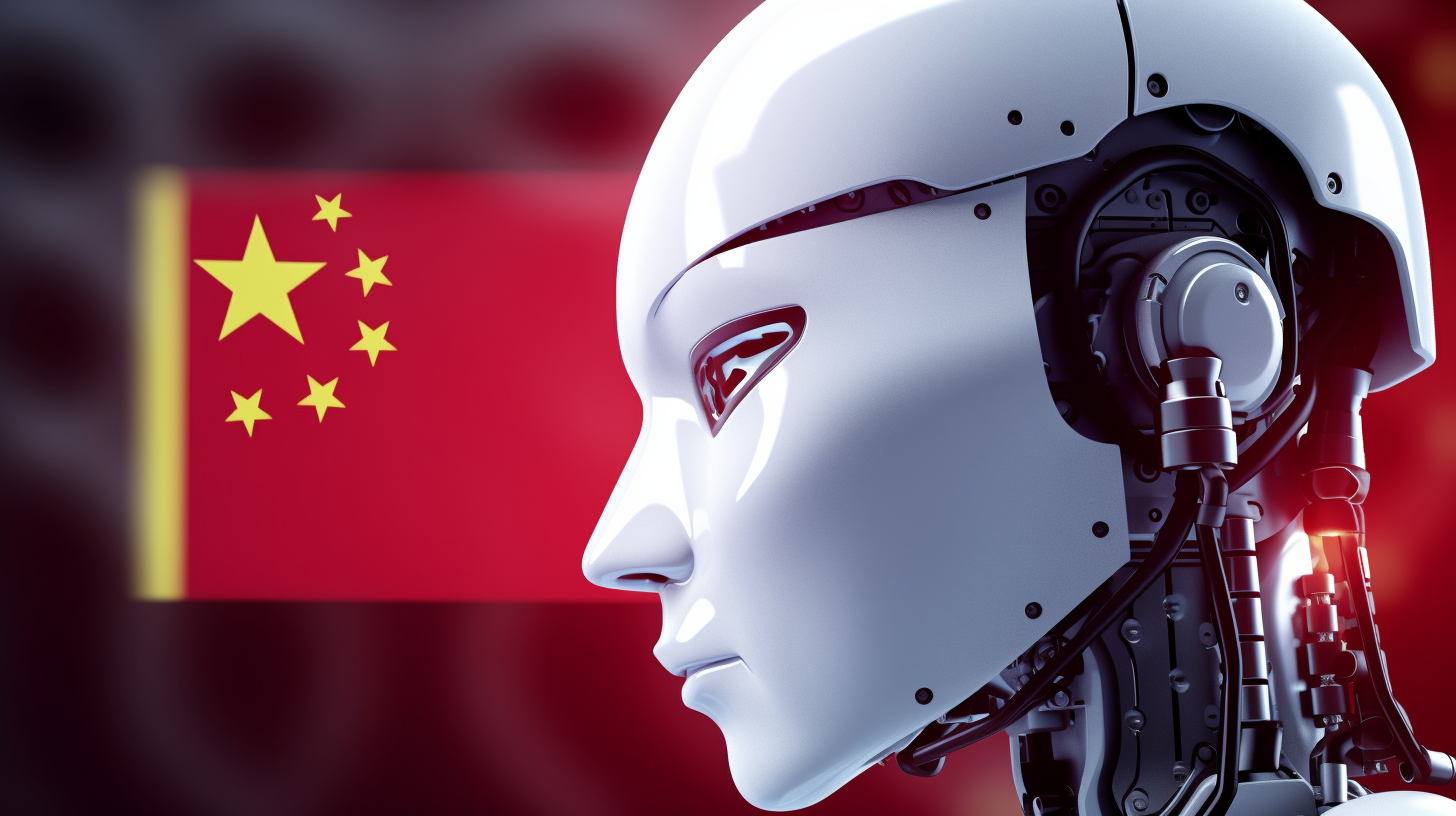
China to Regulate Generative AI, Proposes Draft Measures
Navigating China‘s Generative AI Regulations: Balancing Innovation and Control
As an AI and machine learning expert, I‘ve been closely following the recent developments in China‘s regulatory landscape for generative artificial intelligence (AI) services. The Cyberspace Administration of China‘s (CAC) release of the draft "Measures for the Management of Generative Artificial Intelligence Services" in April 2023 marks a significant milestone in the country‘s efforts to govern the rapidly evolving field of AI technology.
China‘s Regulatory Approach to AI: From Cautious to Proactive
To fully appreciate the context of these proposed regulations, it‘s important to understand the broader trajectory of China‘s approach to AI governance. In the early days of the AI revolution, the Chinese government maintained a relatively cautious and observant stance, closely monitoring the global trends and potential implications of this transformative technology.
However, as AI capabilities rapidly advanced and the real-world applications became increasingly ubiquitous, China‘s perspective shifted. The country recognized the strategic importance of AI in driving economic growth, enhancing national security, and shaping the future of various industries. This realization prompted a more proactive and comprehensive regulatory framework, with the goal of harnessing the power of AI while mitigating the associated risks.
The draft measures for generative AI services are the latest manifestation of China‘s evolving regulatory approach. They build upon the foundation laid by previous regulations, such as the "Internet Information Service Algorithmic Recommendation Management Provisions" and the "Provisions on the Administration of Deep Synthesis Internet Information Services." These earlier regulations laid the groundwork for governing the use of AI-powered algorithms and content generation, setting the stage for the more targeted and comprehensive generative AI regulations.
Key Provisions and Compliance Challenges
At the heart of the draft measures are several key provisions that aim to ensure the responsible and lawful deployment of generative AI services within China. Let‘s delve into the details:
- Filing Requirements: Service providers, regardless of their geographical location, must submit a security assessment to the CAC and file their algorithms in accordance with existing regulations. This requirement is designed to enhance transparency and enable regulatory oversight of the underlying AI models.
While the intent behind these filing obligations is clear, the practical implementation poses significant challenges. Generative AI models are often trained on vast and constantly evolving datasets, making it challenging to maintain comprehensive records and obtain the necessary approvals in a timely manner. Service providers may need to develop innovative approaches to streamline the compliance process without compromising the iterative nature of model development.
- Content Guidelines and Limitations: The draft measures mandate that the content generated by AI systems must adhere to strict guidelines, respecting social virtue, public order customs, and reflecting socialist core values. Additionally, the content must not subvert state power, disrupt economic or social order, discriminate, infringe upon intellectual property rights, or spread untruthful information.
Ensuring the compliance of AI-generated content with these guidelines poses a significant technical challenge. While language models have made remarkable strides in generating coherent and contextually relevant text, they still struggle with accurately understanding the nuanced meaning and truthfulness of the generated output. Instances of "hallucination," where AI models fabricate plausible-sounding but factually incorrect information, highlight the limitations of current AI technology in meeting the stringent requirements set forth by the regulations.
- Personal Information Protection: Service providers are legally responsible as "personal information processors" and must comply with the Personal Information Protection Law (PIPL) regarding the handling of user data. This includes establishing complaint mechanisms to address user requests for data revision, deletion, or masking.
Ensuring comprehensive compliance with personal information protection obligations can be operationally complex, particularly in the context of generative AI services. The iterative nature of model training and the potential for user-generated content to inadvertently include personal information raise questions about the feasibility of real-time monitoring and control.
- User Reporting and Model Retraining: The draft measures empower users to report inappropriate AI-generated content, and service providers are required to retrain their models within three months to address such issues. This provision aims to foster a collaborative approach to content moderation and continuous improvement of the AI systems.
While the user reporting mechanism is intended to enhance accountability, it also introduces additional operational challenges for service providers. Responding to user complaints and retraining models within a limited timeframe may require significant resources and technical expertise, potentially straining the capacity of smaller or less-experienced players in the generative AI ecosystem.
Navigating the Regulatory Landscape: Implications and Considerations
The implications of China‘s generative AI regulations extend beyond the country‘s borders, as they have the potential to shape the global AI landscape. Here are some key considerations:
-
Impact on Domestic AI Innovation: The broad compliance requirements and potential operational burdens imposed by the draft measures may create challenges for Chinese generative AI companies, particularly smaller or less-resourced players. Striking a balance between effective regulation and fostering a thriving domestic AI ecosystem will be crucial for China‘s long-term competitiveness in this field.
-
Extraterritorial Reach and Global Implications: The draft measures‘ extraterritorial application to non-Chinese service providers raises questions about the practical enforcement mechanisms and the potential impact on international collaboration and competition in the AI industry. Navigating the complex web of global regulations and jurisdictions will be a significant challenge for both domestic and foreign players.
-
Balancing Regulation and User Autonomy: The limitations on user information retention and profiling, while aimed at protecting privacy, may also constrain the personalization and customization capabilities of generative AI services. This could potentially affect user experience and autonomy, leading to a need for a nuanced approach that balances regulatory objectives and user preferences.
-
Evolving Regulatory Landscape: As the generative AI landscape continues to evolve rapidly, both within China and globally, the regulatory landscape is likely to undergo further refinement and adaptation. Staying agile and responsive to emerging challenges and opportunities will be crucial for policymakers, industry stakeholders, and end-users alike.
Embracing the Future: Recommendations and Considerations
As an AI and machine learning expert, I believe that the key to navigating China‘s generative AI regulations lies in a collaborative and proactive approach. Here are some recommendations and considerations for various stakeholders:
For Generative AI Service Providers:
- Engage proactively with regulators to provide feedback and insights on the practical implementation of the draft measures.
- Invest in robust compliance frameworks and technical solutions to streamline the filing, content moderation, and personal information protection processes.
- Explore innovative approaches to user engagement and content generation that balance regulatory requirements with user needs and preferences.
- Collaborate with industry peers and academic institutions to develop best practices and technological solutions that address the unique challenges posed by the regulations.
For Policymakers:
- Maintain an open and iterative approach to the regulatory framework, actively soliciting feedback from industry players and incorporating lessons learned from the implementation process.
- Foster a collaborative environment that encourages dialogue and knowledge-sharing between regulators, AI experts, and other stakeholders.
- Continuously monitor the evolving AI landscape and adapt the regulations to address emerging challenges and opportunities.
- Consider the broader global implications of China‘s generative AI regulations and explore opportunities for international cooperation and harmonization of AI governance frameworks.
For End-Users:
- Develop a critical understanding of the capabilities and limitations of generative AI services, and the potential implications of the regulatory landscape.
- Engage with service providers and policymakers to voice concerns and preferences, contributing to the shaping of a balanced and user-centric regulatory framework.
- Embrace the responsible and ethical use of generative AI, leveraging the technology‘s capabilities while remaining vigilant about potential misuse or unintended consequences.
In conclusion, China‘s proposed regulations for generative AI services represent a significant step forward in the global effort to ensure the responsible development and deployment of this transformative technology. As an AI and machine learning expert, I believe that these regulations, while posing operational and technical challenges, also present opportunities for collaboration, innovation, and the establishment of a more comprehensive and balanced approach to AI governance.
By navigating the complexities of these regulations, embracing the opportunities they present, and fostering a constructive dialogue between policymakers, industry players, and end-users, we can collectively shape a future where the immense potential of generative AI is harnessed in a manner that aligns with the broader societal interests and priorities. The outcome of this regulatory journey will have far-reaching implications, not only for China but for the global AI landscape as a whole.