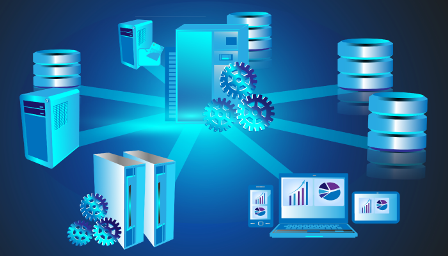
Data Warehouses, Data Marts, and Data Lakes: A Comprehensive Journey Through Modern Data Ecosystems
The Technological Metamorphosis of Data Management
Imagine standing at the crossroads of technological innovation, where data transforms from raw information into strategic intelligence. As an artificial intelligence and machine learning expert, I‘ve witnessed the remarkable evolution of data storage technologies – a journey that has reshaped how organizations perceive, process, and leverage information.
The Data Revolution: More Than Just Storage
Data is no longer just a byproduct of business operations; it‘s the lifeblood of strategic decision-making. The transition from traditional databases to sophisticated data repositories represents a profound technological revolution that extends far beyond simple storage mechanisms.
Unraveling the Complex World of Data Architectures
Data Warehouses: The Structured Intelligence Hub
When we dive into the realm of data warehouses, we‘re exploring a meticulously engineered ecosystem designed for complex analytical processing. Unlike traditional databases, data warehouses are purpose-built machines of computational intelligence.
Architectural Sophistication
Modern data warehouses represent more than mere storage solutions – they are intricate systems that transform raw data into actionable insights. The architecture typically involves multi-dimensional processing capabilities that enable organizations to:
- Integrate diverse data sources seamlessly
- Perform complex computational analyses
- Generate predictive models with remarkable accuracy
The Machine Learning Connection
From an artificial intelligence perspective, data warehouses serve as critical infrastructure for advanced machine learning models. They provide structured, cleaned, and preprocessed data that becomes the foundation for sophisticated predictive algorithms.
Data Marts: Specialized Intelligence Repositories
Precision-Focused Data Ecosystems
Data marts represent a fascinating micro-universe within the broader data management landscape. Think of them as specialized intelligence centers, each designed to serve specific organizational needs with laser-focused precision.
Strategic Segmentation
By creating targeted data repositories, organizations can:
- Accelerate analytical processes
- Reduce computational overhead
- Enhance departmental decision-making capabilities
The magic of data marts lies in their ability to distill complex information into actionable insights tailored for specific business domains.
Data Lakes: The Boundless Ocean of Information
Embracing Data Diversity and Flexibility
Data lakes represent a paradigm shift in data management philosophy. Unlike their structured counterparts, data lakes welcome information in its most raw and unprocessed form – a digital sanctuary where data diversity thrives.
Technological Flexibility
The true power of data lakes emerges from their ability to:
- Store structured and unstructured data
- Support real-time data ingestion
- Enable flexible schema evolution
Machine Learning and Data Lakes: A Symbiotic Relationship
For AI practitioners, data lakes represent an unprecedented opportunity. They provide a comprehensive canvas where machine learning models can explore, learn, and generate insights from diverse data sources.
Comparative Technological Landscape
Architectural Convergence and Divergence
Each data storage approach carries unique strengths and potential limitations. The selection depends on intricate factors like:
- Organizational complexity
- Analytical requirements
- Computational infrastructure
- Budget constraints
Performance Benchmarking
Sophisticated organizations increasingly adopt hybrid approaches, combining data warehouses, marts, and lakes to create comprehensive, adaptable data ecosystems.
Future Technological Horizons
Emerging Trends and Predictions
The future of data management is not about individual technologies but their seamless integration. We‘re moving towards:
- AI-driven data governance
- Serverless computational architectures
- Real-time adaptive data processing
Practical Implementation Strategies
Navigating the Technological Maze
Successful data strategy requires more than technological understanding – it demands a holistic, adaptive approach that considers:
- Organizational culture
- Technological readiness
- Long-term strategic objectives
Economic and Strategic Implications
Beyond Technical Considerations
Data storage technologies are no longer just IT infrastructure – they‘re strategic assets that can:
- Drive competitive advantage
- Enable predictive decision-making
- Generate substantial economic value
Conclusion: The Continuous Evolution
As we stand on the precipice of technological transformation, one thing becomes clear: data management is an ongoing journey of discovery, adaptation, and innovation.
The most successful organizations will be those that view their data ecosystems not as static repositories but as living, breathing systems of intelligence.
Invitation to Technological Exploration
I invite you to embrace this complex, fascinating world of data technologies. The future belongs to those who can transform information into strategic insight.
Remember, in the realm of data, curiosity is your most powerful computational tool.