Decoding the Computational Odyssey: Mastering Problem-Solving through Search Algorithms
The Computational Landscape of Intelligent Exploration
Imagine standing at the precipice of a vast, unexplored computational wilderness. Your mission: navigate through complex, intricate problem spaces with precision, intelligence, and remarkable efficiency. This is the fascinating realm of search algorithms—a domain where mathematical elegance meets computational prowess.
The Philosophical Foundations of Algorithmic Problem-Solving
Search algorithms represent more than mere computational techniques; they embody humanity‘s fundamental quest to understand, explore, and solve complex challenges. These sophisticated mechanisms are the neural pathways of artificial intelligence, enabling machines to think, reason, and discover solutions in ways that mirror—and often transcend—human cognitive processes.
The Mathematical Symphony of Exploration
At their core, search algorithms are elegant mathematical constructs designed to systematically traverse solution spaces. They transform abstract problem domains into navigable landscapes, where each computational step represents a strategic decision towards resolution.
Consider the fundamental equation governing search exploration:
[f(x) = \min_{path} {cost(path) | constraints(path)}]This deceptively simple formulation encapsulates the profound complexity of algorithmic problem-solving. It represents a computational dance where:
- [f(x)] symbolizes the search function
- [cost(path)] calculates computational expenses
- [constraints(path)] defines acceptable solution parameters
Evolutionary Trajectory of Search Algorithms
The journey of search algorithms mirrors technological evolution itself. From rudimentary brute-force techniques to sophisticated quantum-inspired approaches, these computational strategies have transformed dramatically.
Historical Technological Progression
In the early days of computing, search algorithms were primitive, linear explorations resembling mechanical treasure hunts. Researchers like Alan Turing and John von Neumann laid foundational frameworks that would eventually revolutionize computational problem-solving.
The 1950s and 1960s witnessed exponential algorithmic sophistication. Breadth-first and depth-first search strategies emerged, providing structured approaches to navigating complex problem spaces. These techniques were revolutionary, offering systematic methods to explore computational landscapes previously considered impenetrable.
Modern Computational Paradigms
Contemporary search algorithms transcend traditional boundaries, integrating:
- Machine learning adaptive mechanisms
- Probabilistic exploration techniques
- Neural network-enhanced decision making
- Quantum computing principles
Advanced Implementation Strategies
class QuantumInspiredSearchAlgorithm:
    def __init__(self, problem_space, heuristic_function):
        self.quantum_state = self.initialize_quantum_superposition(problem_space)
        self.heuristic = heuristic_function

    def explore_quantum_landscape(self, start_state, goal_state):
        # Implement probabilistic quantum exploration logic
        quantum_paths = self.generate_quantum_paths()
        optimized_path = self.evaluate_quantum_paths(quantum_paths)
        return optimized_path

    def evaluate_quantum_paths(self, candidate_paths):
        # Multi-dimensional quantum path evaluation
        return min(candidate_paths, key=self.quantum_probability_metric)
Interdisciplinary Computational Connections
Search algorithms are not isolated mathematical constructs but represent profound interdisciplinary bridges:
Neuroscience and Computational Thinking
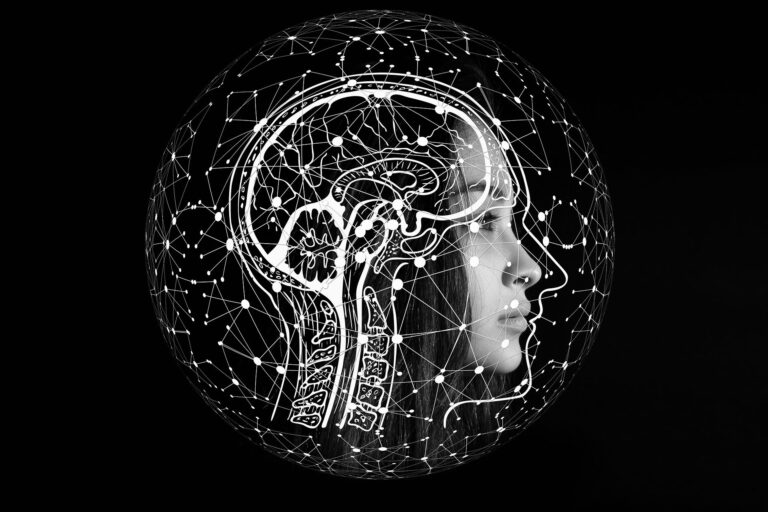
Researchers have discovered remarkable parallels between neural network exploration and biological brain navigation. The way search algorithms traverse problem spaces mirrors neurological pathways, suggesting deep connections between artificial and biological intelligence.
Cognitive Science Perspectives
From a cognitive science standpoint, search algorithms represent computational models of human problem-solving strategies. They simulate decision-making processes, demonstrating how systematic exploration can lead to optimal solutions.
Practical Application Domains
The versatility of search algorithms extends across numerous critical domains:
-
Robotics Navigation
Autonomous robots leverage sophisticated search techniques to navigate complex environments, making real-time decisions with remarkable precision. -
Network Infrastructure
Routing algorithms utilize advanced search strategies to optimize data transmission, ensuring efficient communication across global networks. -
Artificial Intelligence Planning
Machine learning systems employ search algorithms to develop strategic approaches in game theory, resource allocation, and complex decision-making scenarios.
Ethical and Philosophical Implications
Beyond technical implementation, search algorithms raise profound philosophical questions about:
- Computational decision-making processes
- Algorithmic bias mitigation
- Autonomous system design principles
- The nature of intelligence and problem-solving
Future Technological Frontiers
The next frontier of search algorithms lies at the intersection of quantum computing, neural networks, and adaptive learning systems. Emerging research suggests we are approaching a computational paradigm where algorithms will:
- Self-modify based on problem characteristics
- Learn and evolve during exploration
- Integrate probabilistic reasoning
- Demonstrate unprecedented adaptive capabilities
Conclusion: The Computational Horizon
Search algorithms represent humanity‘s most sophisticated tool for exploring complex problem spaces. They are not just computational techniques but philosophical instruments that expand our understanding of intelligence, exploration, and problem-solving.
As technology continues advancing, these algorithms will become increasingly nuanced, adaptive, and transformative—bridging the gap between human intuition and machine precision.
Invitation to Computational Exploration
To those fascinated by the intricate dance of algorithms, mathematics, and intelligence: your journey has only just begun. The world of search algorithms awaits—a realm of infinite possibilities, where every computational step represents a potential breakthrough.
Embrace the exploration. Decode the complexity. Transform understanding.