Decoding the Language of Intelligence: A Deep Dive into Machine Learning and Artificial Intelligence Terminologies
The Journey into Technological Understanding
Imagine standing at the crossroads of human creativity and computational power. As an artificial intelligence expert who has witnessed the remarkable transformation of technology, I‘m excited to guide you through the intricate landscape of machine learning and artificial intelligence terminologies.
The Genesis of Intelligent Systems
When I first encountered machine learning decades ago, it felt like discovering a new language – a dialect spoken between humans and machines. Each term represented not just a technical concept, but a bridge connecting human intuition with computational reasoning.
Understanding Machine Learning‘s Evolutionary Path
Machine learning isn‘t just a technological phenomenon; it‘s a philosophical journey of teaching machines to perceive, learn, and adapt. Think of it as nurturing an intelligent being, where algorithms become students learning from vast oceans of data.
Fundamental Architectural Concepts
Neural Networks: The Brain-Inspired Computational Model
Neural networks represent more than just mathematical constructs. They‘re inspired by our understanding of biological neural systems, mimicking how human brains process information. Imagine interconnected nodes communicating like a complex social network, where each connection represents a potential learning pathway.
Consider a neural network as an intricate ecosystem. Each neuron acts like a specialized worker, processing information, making decisions, and continuously refining its understanding. The magic happens when these neurons collaborate, creating emergent intelligence that transcends individual computational capabilities.
Types of Learning: Beyond Binary Classifications
Supervised, unsupervised, and reinforcement learning aren‘t merely technical categories – they represent different learning philosophies.
Supervised learning resembles a structured classroom environment where clear instructions guide the learning process. Unsupervised learning, conversely, mirrors exploratory learning – like a curious child discovering patterns without explicit guidance. Reinforcement learning embodies the concept of learning through experience, similar to how humans develop skills through trial and error.
Computational Intelligence Paradigms
Deep Learning: Layers of Computational Complexity
Deep learning represents a quantum leap in computational intelligence. Imagine constructing a complex building, where each layer adds depth, sophistication, and nuanced understanding. These multi-layered neural networks can extract intricate features from raw data, transforming abstract information into meaningful insights.
The beauty of deep learning lies in its ability to handle complexity. Traditional algorithms might struggle with nuanced, multi-dimensional data, but deep learning thrives on complexity, finding patterns invisible to human perception.
Practical Implementation and Challenges
Model Training: The Art of Computational Learning
Training a machine learning model isn‘t just a technical process – it‘s an art form. Picture a sculptor gradually refining a statue, where each adjustment brings the creation closer to perfection. Similarly, model training involves iterative refinement, adjusting parameters, minimizing errors, and enhancing predictive capabilities.
The training process involves multiple stages:
- Data preparation
- Feature engineering
- Algorithm selection
- Continuous optimization
Performance Metrics: Measuring Computational Intelligence
Performance metrics aren‘t mere numbers; they‘re a comprehensive language describing a model‘s capabilities. Accuracy, precision, recall – these aren‘t just statistical measures but nuanced indicators of computational intelligence.
Emerging Frontiers and Ethical Considerations
Explainable AI: Transparency in Computational Decisions
As machine learning systems become increasingly complex, the demand for transparency grows. Explainable AI represents a critical evolution, ensuring that computational decisions remain comprehensible and accountable.
Imagine an AI system that can not only make decisions but also articulate its reasoning process. This transparency builds trust, bridging the gap between computational complexity and human understanding.
Philosophical and Societal Implications
Machine learning transcends technological boundaries. It represents a profound exploration of intelligence, challenging our understanding of learning, adaptation, and cognitive processes.
The Human-Machine Symbiosis
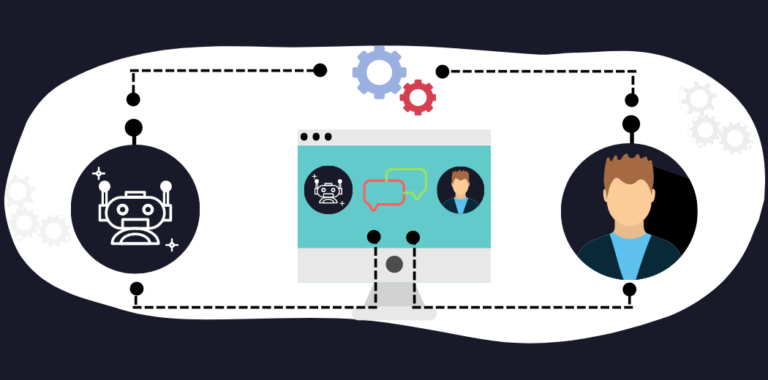
We‘re not just developing intelligent systems; we‘re creating collaborative partners that augment human capabilities. Machine learning becomes a mirror reflecting our collective intelligence, learning, and potential.
Future Horizons
The journey of machine learning is far from complete. Emerging technologies like quantum computing, federated learning, and neuromorphic engineering promise to redefine our computational landscape.
Conclusion: A Continuous Learning Journey
Machine learning terminologies are more than technical definitions. They represent a dynamic, evolving language of intelligence – a testament to human creativity and computational potential.
As we continue exploring this fascinating domain, remember that every term, every algorithm, tells a story of human curiosity, technological innovation, and the endless pursuit of understanding.
The conversation between humans and machines has only just begun.