Deep Learning Engineer Skills: A Transformative Journey into Technological Mastery
The Unfolding Narrative of Technological Innovation
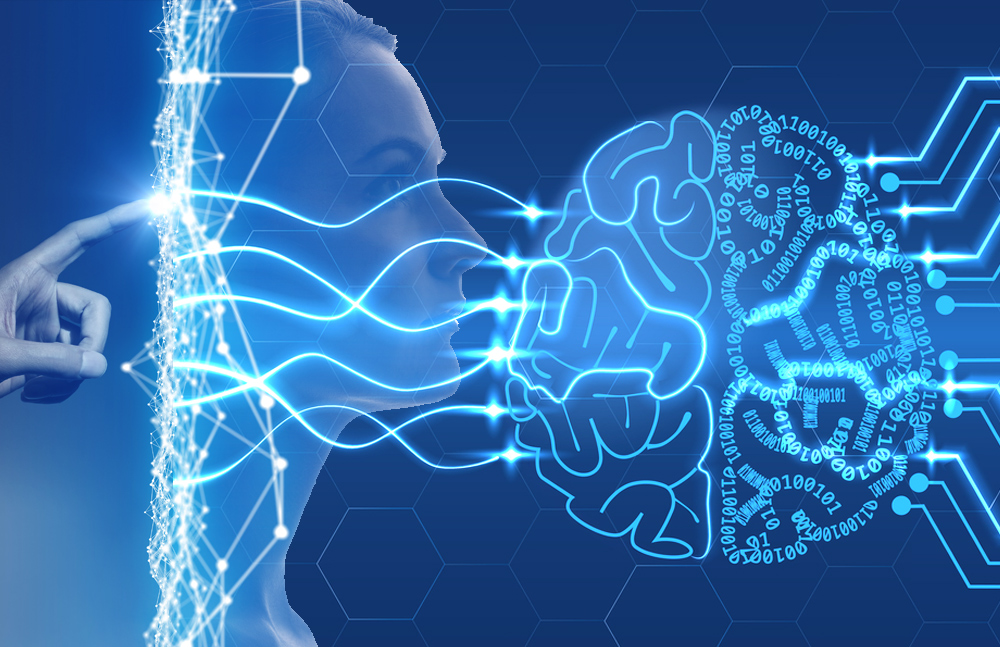
Imagine standing at the intersection of human creativity and computational power – this is the world of a deep learning engineer. It‘s not just a profession; it‘s a calling that transforms complex mathematical concepts into intelligent systems that can perceive, learn, and adapt.
The Genesis of Deep Learning: More Than Just Code
Deep learning didn‘t emerge overnight. It‘s a profound technological evolution rooted in decades of computational research, neural network theory, and human curiosity. From early neural network experiments in the 1940s to today‘s sophisticated artificial intelligence systems, deep learning represents humanity‘s ambitious attempt to recreate cognitive processes through mathematics and computing.
The Five Pillars of Deep Learning Engineering Excellence
1. Programming Mastery: Your Computational Canvas
Programming isn‘t merely writing code – it‘s crafting intelligent solutions. As a deep learning engineer, your programming skills are the brushstrokes that paint complex algorithmic landscapes.
Python has emerged as the primary language, not just because of its syntax, but due to its rich ecosystem of scientific computing libraries. However, true mastery extends beyond language proficiency. You‘ll need to understand computational thinking, algorithmic efficiency, and the nuanced art of translating mathematical concepts into executable code.
Consider the journey of transforming a mathematical model into a functioning neural network. It requires more than technical knowledge; it demands creativity, patience, and an almost artistic approach to problem-solving. Each line of code represents a potential breakthrough, a small step towards understanding complex computational intelligence.
The Evolving Programming Landscape
Modern deep learning engineers must navigate an increasingly complex technological ecosystem. While Python remains dominant, emerging languages like Julia and Rust are gaining traction, offering specialized performance advantages for specific computational tasks.
The key is not just knowing a programming language, but understanding its philosophical approach to solving computational challenges. It‘s about developing a programmer‘s intuition – the ability to see beyond syntax and recognize elegant, efficient solutions.
2. Mathematical Foundations: The Invisible Architecture
Mathematics in deep learning isn‘t just about calculations; it‘s the fundamental language of intelligent systems. Linear algebra, calculus, and probability theory aren‘t abstract concepts – they‘re the architectural blueprints of artificial intelligence.
Imagine mathematical concepts as intricate building blocks. Gradient descent isn‘t just an optimization technique; it‘s a sophisticated navigation method that helps neural networks find optimal solutions through iterative refinement. Backpropagation becomes a learning mechanism mimicking how biological neural systems adapt and improve.
Beyond Numerical Manipulation
The most successful deep learning engineers view mathematics not as a rigid set of rules, but as a flexible, dynamic framework for understanding complex systems. They see patterns where others see randomness, transforming abstract mathematical principles into tangible technological innovations.
3. Neural Network Architecture: Designing Intelligent Systems
Neural network design is an art form blending scientific precision with creative problem-solving. It‘s about understanding how interconnected computational nodes can simulate complex cognitive processes.
Different neural network architectures serve unique purposes. Convolutional Neural Networks (CNNs) excel in image recognition, while Recurrent Neural Networks (RNNs) are powerful for sequential data processing. Transformer models have revolutionized natural language processing, demonstrating the incredible potential of sophisticated neural designs.
The Human-Machine Collaboration
Deep learning isn‘t about replacing human intelligence but augmenting and extending our cognitive capabilities. Each neural network represents a collaborative effort between human creativity and computational potential.
4. Cloud Infrastructure and Scalability: The Technological Backbone
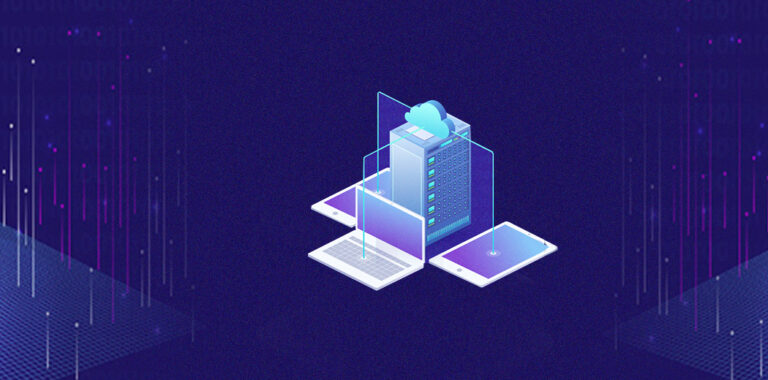
Cloud computing has transformed deep learning from a theoretical concept to a practical, scalable solution. Platforms like AWS, Google Cloud, and Microsoft Azure provide computational resources that were unimaginable just a decade ago.
Understanding cloud infrastructure isn‘t just about technical configuration – it‘s about recognizing how distributed computing enables unprecedented computational power. Modern deep learning engineers must think beyond individual machines, conceptualizing global, interconnected computational ecosystems.
Technological Democratization
Cloud platforms have democratized advanced computational capabilities, allowing researchers and engineers worldwide to access cutting-edge technological resources. This global accessibility accelerates innovation at an unprecedented pace.
5. Continuous Learning: The Perpetual Growth Mindset
The most critical skill for a deep learning engineer isn‘t technical – it‘s adaptability. Technology evolves rapidly, and the ability to learn, unlearn, and relearn becomes your most valuable asset.
Continuous learning means staying curious, challenging existing paradigms, and maintaining an open mind. It involves regularly consuming research papers, participating in global conferences, and being willing to deconstruct and rebuild your understanding continuously.
The Human Element in Technological Advancement
Deep learning is more than a technological field – it‘s a profound exploration of intelligence, creativity, and human potential. As a deep learning engineer, you‘re not just writing code; you‘re contributing to humanity‘s understanding of cognition, learning, and problem-solving.
Industry Landscape and Future Perspectives
The global artificial intelligence market is projected to reach [500 billion USD] by 2024, with deep learning playing a pivotal role. Salaries for skilled professionals range from [75,000 to 180,000] USD annually, reflecting the high demand and critical importance of these skills.
Your Personal Invitation to the Future
Are you ready to transform complex mathematical concepts into intelligent systems? The world of deep learning awaits your unique perspective, creativity, and passion.
Remember, becoming a deep learning engineer isn‘t about perfecting a set of skills – it‘s about embracing a lifelong journey of technological exploration and human-machine collaboration.
Your adventure starts now.