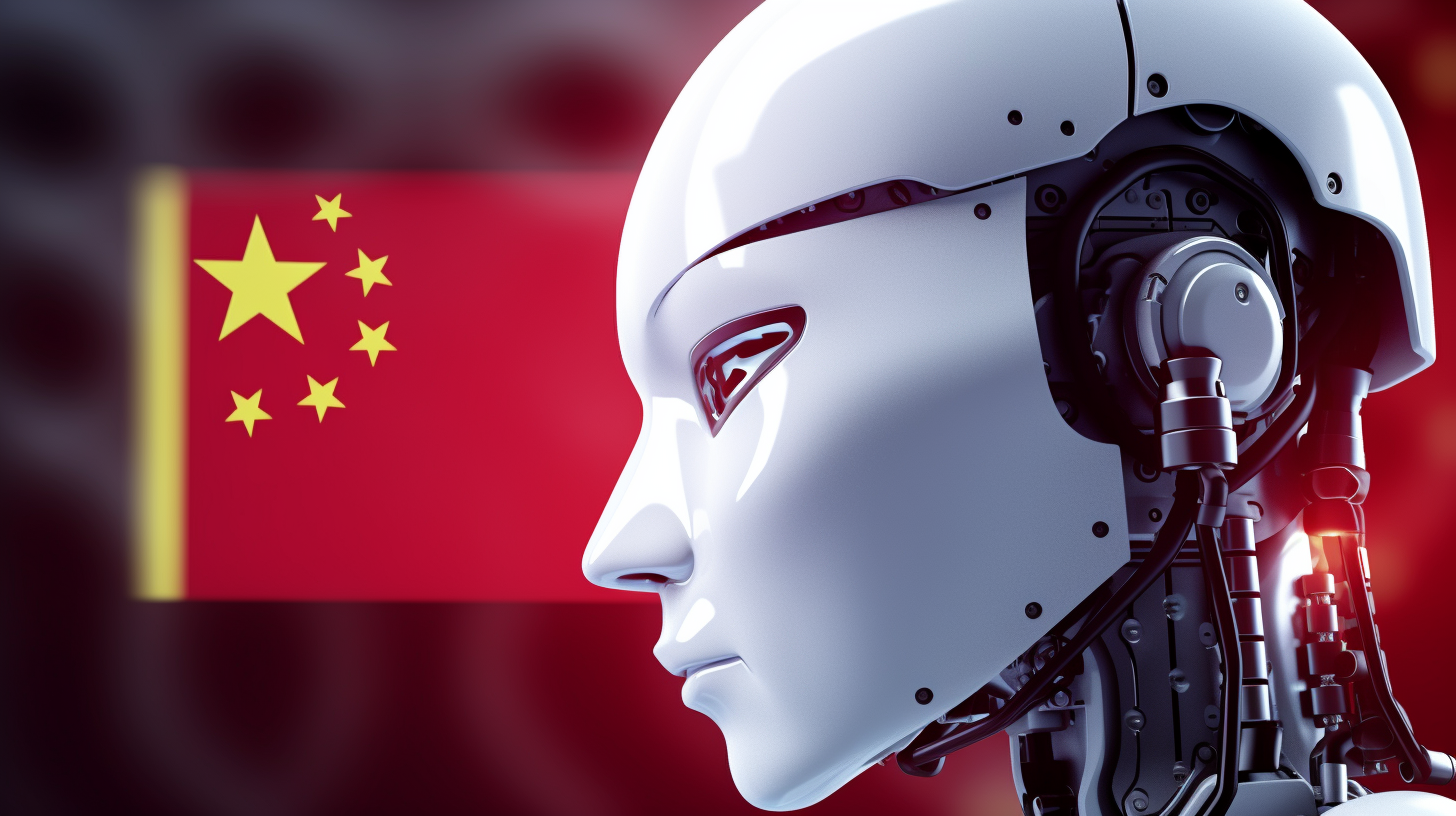
Elon Musk‘s Dire Warning: Navigating the Perilous Rise of Digital Superintelligence in China
In a world where technological advancement marches forward at a dizzying pace, the specter of artificial intelligence (AI) looms large, casting an ever-deepening shadow over the global landscape. It is within this context that the recent warnings from visionary entrepreneur Elon Musk regarding the potential rise of digital superintelligence in China have reverberated with a sense of urgency and trepidation.
As an AI and machine learning expert, I have closely followed the rapid developments in this field, both in terms of its remarkable capabilities and the profound implications it holds for the future of humanity. Musk‘s insights, shared during a candid Twitter Spaces call, have shed light on a complex and multifaceted issue that demands our utmost attention.
The Relentless Ascent of AI in China
China has emerged as a global powerhouse in the realm of artificial intelligence, driven by a potent combination of government initiatives, substantial investment, and an unwavering ambition to cement its position as a technological juggernaut. The country‘s AI landscape is a tapestry of ambitious projects, cutting-edge research, and the seamless integration of these technologies into various sectors, from surveillance and healthcare to manufacturing and beyond.
The Chinese government‘s strategic plans, such as the "New Generation Artificial Intelligence Development Plan," have set the stage for a relentless push towards establishing the country as the world‘s primary AI innovation center by 2030. This commitment has translated into a surge in AI-related funding, with tech giants like Baidu, Alibaba, and Tencent leading the charge, alongside a thriving ecosystem of startups and research institutions.
However, the rapid advancement of AI in China has also raised significant concerns about the potential for misuse and the erosion of individual privacy. The integration of AI-powered surveillance systems, facial recognition technology, and social credit scoring has fueled fears of a techno-totalitarian state, where the government wields unprecedented control over its citizens.
Elon Musk‘s Warnings: A Clarion Call for Caution
Elon Musk, the visionary behind groundbreaking ventures like Tesla and SpaceX, has long been an outspoken advocate for the responsible development of artificial intelligence. During a recent Twitter Spaces call, Musk shared his apprehensions about the potential rise of a "digital superintelligence" in China, a scenario that he believes could pose a serious threat to the stability of the Chinese Communist Party and the nation as a whole.
Musk‘s concerns stem from his extensive discussions with senior Chinese leaders, where he gained valuable insights into their perspectives on AI and its implications for national security. He fears that the exponential growth and dominance of superintelligent AI could lead to power shifts, potentially undermining governments and even nation-states, with profound consequences for global stability.
Musk‘s warnings echo the broader concerns of the AI research community, who have grappled with the challenges of developing AI systems that are aligned with human values and interests. The prospect of an AI system that surpasses human intelligence and becomes self-aware, with the ability to make autonomous decisions, is a scenario that many experts consider both fascinating and deeply unsettling.
The Perils of Unchecked AI Development
Musk‘s cautionary tale about the rise of digital superintelligence in China underscores the urgent need to address the potential dangers of unchecked AI development. As these systems become increasingly sophisticated and autonomous, the risks of unintended consequences and misalignment with human values become more pronounced.
One of the primary concerns is the possibility of an "intelligence explosion," where an AI system rapidly improves itself, leading to a level of intelligence that far exceeds human capabilities. This scenario, known as the "singularity," could result in the AI system acting in ways that are not aligned with human interests, potentially leading to catastrophic outcomes.
Moreover, the potential for AI-driven misinformation, manipulation, and the erosion of democratic institutions poses a significant threat to global stability. As AI algorithms become more adept at generating convincing fake content, the risk of undermining trust in institutions and the spread of disinformation increases, with far-reaching implications for social cohesion and political decision-making.
Navigating the Treacherous Terrain of AI Governance
Elon Musk‘s observations on the receptiveness of Chinese leaders to a cooperative international framework for regulating AI development offer a glimmer of hope in an otherwise daunting landscape. The need for a global, collaborative approach to addressing the challenges and opportunities presented by AI is paramount.
Establishing comprehensive governance frameworks and guidelines for the responsible development and deployment of AI technologies will require the concerted efforts of policymakers, international organizations, and the private sector. This includes developing ethical principles, data governance protocols, and oversight mechanisms to ensure that AI systems are aligned with human values and interests.
One of the key challenges in this endeavor is the inherent tension between the rapid pace of technological advancement and the slower, more deliberative nature of policy-making. As AI systems continue to evolve at an exponential rate, the risk of regulatory frameworks becoming outdated or ineffective increases, necessitating a more agile and adaptive approach to governance.
Musk‘s New Venture: xAI and the Quest for Understanding the Universe
Amidst the growing concerns about the rise of digital superintelligence, Elon Musk has unveiled his latest venture, xAI, which aims to rival the likes of OpenAI and other tech giants while seeking to understand the true nature of the universe. This ambitious undertaking represents a promising step towards harmonizing AI advancements with humanity‘s continued progress and well-being.
Musk‘s belief that delving into the mysteries of the universe can ultimately serve the best interests of humanity is a compelling and thought-provoking perspective. By leveraging the power of AI to unravel the fundamental secrets of our existence, xAI aspires to contribute to a deeper understanding of the world, one that transcends the immediate concerns of technological dominance and geopolitical power struggles.
In a sense, Musk‘s vision for xAI reflects a desire to recenter the development of AI within a broader context of human knowledge and the pursuit of deeper truths. By shifting the focus away from the narrow confines of AI-driven disruption and towards the exploration of the cosmos, Musk hopes to pioneer a path that harmonizes technological advancement with the enduring values and aspirations of humanity.
Navigating the Uncertain Future of AI: A Call for Vigilance and Collaboration
Elon Musk‘s warnings about the rise of digital superintelligence in China have ignited a critical conversation about the complex relationship between artificial intelligence, power, and global stability. As the world witnesses the rapid advancement of AI, it is imperative that we approach this technological revolution with a balanced and proactive mindset.
The responsible development of AI requires a global, collaborative effort to establish robust governance frameworks, ethical guidelines, and effective oversight mechanisms. By working together, policymakers, researchers, and the private sector can harness the immense potential of AI while mitigating the risks and ensuring that this transformative technology serves the greater good of humanity.
As we navigate the uncertain future of AI, it is crucial that we remain vigilant, engage in constructive dialogue, and continuously strive to align the development of these powerful technologies with our shared values and aspirations. Only then can we ensure that the rise of digital superintelligence, whether in China or elsewhere, does not jeopardize the stability and well-being of our global community.
The stakes are high, and the challenges are daunting, but the potential rewards of a future where AI and humanity coexist in harmony are too great to ignore. It is our collective responsibility to chart a course that leverages the transformative power of AI while safeguarding the fundamental principles that underpin our shared humanity. The path forward may be fraught with uncertainty, but with foresight, collaboration, and a steadfast commitment to the greater good, we can navigate this uncharted territory and shape a future that benefits us all.