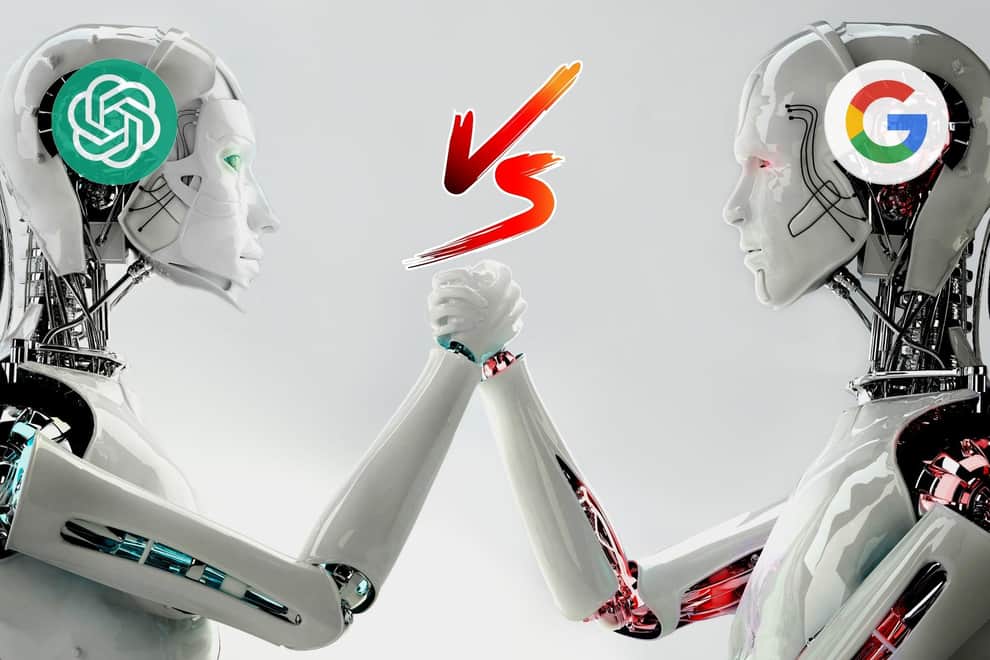
Google VS Microsoft: The Battle of AI Innovation
The Battle for AI Supremacy: Google vs. Microsoft
The Evolving Landscape of Artificial Intelligence
In the rapidly evolving world of technology, the race for artificial intelligence (AI) supremacy has become a captivating and high-stakes contest between two industry titans: Google and Microsoft. As the AI revolution continues to unfold, these tech giants have engaged in a thrilling battle, each vying to assert its dominance and shape the future of this transformative technology.
For years, Google has reigned as the undisputed leader in the AI space, leveraging its vast resources, deep expertise, and innovative prowess to drive advancements in areas such as natural language processing, computer vision, and autonomous systems. The company‘s AI-powered products, including its ubiquitous search engine and AI assistant, have become integral parts of our daily lives, seamlessly integrating into the fabric of our digital existence.
However, the tides have been shifting as Microsoft, once perceived as a laggard in the AI race, has made significant strides in recent years. Driven by a renewed focus on AI integration across its product ecosystem, Microsoft has unveiled a series of groundbreaking AI-powered solutions that have challenged Google‘s longstanding supremacy.
The Emergence of ChatGPT: Microsoft‘s Disruptive Gamechanger
At the forefront of Microsoft‘s AI onslaught is the remarkable ChatGPT, an AI-powered chatbot developed by OpenAI, a company in which Microsoft holds a significant stake. ChatGPT‘s natural language processing capabilities have captivated the tech world, showcasing an unprecedented level of conversational intelligence and problem-solving abilities.
The impact of ChatGPT has been profound, with its ability to engage in human-like dialogues, answer complex queries, and even generate coherent and creative content. This disruptive technology has not only caught the attention of the general public but has also sent shockwaves through the tech industry, forcing Google to scramble to respond.
In response to the rise of ChatGPT, Google has introduced its own AI chatbot, Bard, in an attempt to regain its footing in the AI race. However, Bard‘s debut was marred by a high-profile blunder during a live demonstration, where the AI assistant provided inaccurate information, further fueling concerns about Google‘s ability to keep pace with Microsoft‘s advancements.
The challenges faced by Bard highlight the significant ground that Google has to cover to match the capabilities and user experience offered by ChatGPT. While Google has a long-standing reputation for innovation, its AI efforts have been met with mixed reviews, raising questions about the company‘s agility and adaptability in the face of rapidly evolving market demands.
Microsoft‘s AI Integration Across Its Product Ecosystem
Beyond the success of ChatGPT, Microsoft has strategically integrated AI capabilities across its entire product portfolio, from the Bing search engine to its productivity suite, Office 365, and even its cloud computing platform, Azure. This holistic approach has allowed Microsoft to leverage the power of AI to enhance user experiences, improve productivity, and drive innovation across a wide range of applications.
The integration of OpenAI‘s language models, such as Prometheus, into Microsoft‘s products has given the company a significant advantage in areas like natural language understanding and task automation. This has enabled Microsoft to offer more intuitive and intelligent solutions, positioning it as a formidable challenger to Google‘s dominance in the AI-powered search and productivity domains.
One of the key advantages of Microsoft‘s AI integration strategy is its ability to seamlessly connect various aspects of its product ecosystem. For instance, the integration of AI-powered features into Microsoft Office applications, such as Word, Excel, and PowerPoint, has transformed the way users interact with these productivity tools. Users can now leverage AI-driven capabilities like automated text generation, data analysis, and task completion, significantly enhancing their efficiency and productivity.
Similarly, the integration of AI into Microsoft‘s cloud computing platform, Azure, has opened up new avenues for businesses to harness the power of AI in their operations. Developers and enterprises can now leverage AI-powered services and tools to build intelligent applications, optimize workflows, and gain valuable insights from their data, all within the familiar and trusted Microsoft ecosystem.
The Financial Implications: The High Stakes of the AI Race
The battle for AI supremacy between Google and Microsoft extends far beyond the realm of technology; it also carries significant financial implications for both companies. A substantial portion of Google‘s revenue is generated from online advertising, with its search engine playing a pivotal role in this revenue stream. Any disruption to Google‘s search dominance could have far-reaching consequences for the company‘s financial stability and overall market position.
Conversely, Microsoft‘s success in the AI space could unlock new revenue streams and solidify its position as a leading technology conglomerate. The integration of AI across its product ecosystem has the potential to enhance user engagement, drive customer loyalty, and open up new avenues for monetization, ultimately bolstering Microsoft‘s financial performance.
It‘s important to note that the financial stakes involved in this AI race are not limited to the immediate competitive landscape. The long-term implications of this battle could have far-reaching consequences for the broader technology industry, as the winner will likely gain a significant competitive advantage and influence the trajectory of innovation and investment in the AI sector.
The Strategic Considerations Shaping the AI Race
As the Google-Microsoft AI battle intensifies, it‘s crucial to examine the broader strategic considerations that are shaping the trajectory of this rivalry. Both companies have adopted distinct approaches to AI research and development, which have influenced the evolution of their respective AI offerings.
Google, with its deep-rooted expertise in machine learning and its vast trove of data, has traditionally focused on developing cutting-edge AI algorithms and models that push the boundaries of what‘s possible. The company‘s AI research efforts have been renowned for their rigor and innovation, leading to breakthroughs in areas like natural language processing and computer vision.
However, Google‘s AI strategy has also been criticized for its perceived rigidity and slow-to-market approach. The company‘s emphasis on technical excellence has sometimes come at the expense of agility and responsiveness to changing market demands, as evidenced by the challenges faced by its Bard chatbot.
In contrast, Microsoft has taken a more holistic and pragmatic approach to AI integration, leveraging its diverse product portfolio and extensive customer base to drive AI-powered innovation. The company‘s focus has been on seamlessly embedding AI capabilities across its ecosystem, from productivity tools to cloud services, to enhance the user experience and drive tangible business value.
This strategic difference has allowed Microsoft to quickly adapt to market shifts and capitalize on emerging AI trends, as evidenced by the rapid development and deployment of ChatGPT. By integrating AI into its existing products, Microsoft has been able to rapidly scale and deploy its AI solutions, often outpacing Google‘s more deliberate and centralized approach.
Moreover, both companies have been actively engaged in the AI talent war, vying to attract and retain the brightest minds in the field. Google‘s reputation as a hub for cutting-edge research and innovation has made it a magnet for top AI talent, while Microsoft‘s diverse product portfolio and focus on practical AI applications have also proven to be a draw for AI professionals.
The Role of External Factors: Regulation, Public Perception, and Ethical Considerations
As the Google-Microsoft AI battle unfolds, it‘s important to consider the role of external factors in shaping the trajectory of this rivalry. The regulatory landscape, public perception, and ethical considerations surrounding AI development and deployment have become increasingly important in recent years, and both companies must navigate these complex waters.
Governments and policymakers around the world have been grappling with the challenges posed by the rapid advancement of AI, from issues of privacy and data governance to concerns about algorithmic bias and the potential societal impact of AI-powered technologies. As regulators seek to establish guidelines and frameworks for responsible AI development, Google and Microsoft must carefully align their AI strategies with evolving regulatory requirements, ensuring that their products and services comply with relevant laws and regulations.
Moreover, the public‘s perception of AI and its societal implications has become a crucial factor in shaping the narrative around the Google-Microsoft AI battle. Both companies must be mindful of the public‘s concerns about the ethical use of AI, the potential for job displacement, and the impact of AI on vulnerable populations. Failure to address these concerns could lead to public backlash and reputational damage, which could ultimately impact the commercial success of their AI offerings.
In this context, the ethical considerations surrounding AI development have become increasingly important. Google and Microsoft must demonstrate a strong commitment to developing AI systems that are transparent, accountable, and aligned with societal values. This may involve investing in AI safety research, implementing robust governance frameworks, and collaborating with external stakeholders to ensure that their AI innovations are deployed in a responsible and beneficial manner.
The Future of AI: An Epic Battle with Transformative Potential
The ongoing rivalry between Google and Microsoft in the AI domain is a defining moment in the tech industry, with the potential to reshape the future of innovation and technology. As these two tech giants continue to invest heavily in AI research and development, the race for AI supremacy has become a high-stakes game, with the winner poised to gain a significant competitive advantage and influence the trajectory of the entire industry.
Beyond the immediate competitive landscape, the battle between Google and Microsoft holds the promise of transformative advancements that could revolutionize various industries, from healthcare and education to transportation and beyond. The AI-powered solutions that emerge from this rivalry have the power to improve lives, enhance productivity, and unlock new frontiers of human potential.
For instance, the integration of AI into search engines and productivity tools could dramatically improve the way we access information, collaborate, and make decisions. Imagine a future where AI-powered virtual assistants can seamlessly understand our natural language, anticipate our needs, and provide personalized recommendations and support, revolutionizing the way we interact with technology.
Similarly, the advancements in AI-driven computer vision and autonomous systems could pave the way for groundbreaking innovations in fields like healthcare, where AI-powered diagnostic tools could assist medical professionals in early disease detection and personalized treatment planning. In the transportation sector, AI-powered autonomous vehicles could enhance safety, reduce traffic congestion, and provide greater accessibility for underserved communities.
The transformative potential of AI is not limited to specific industries; it extends to the very fabric of our society. As Google and Microsoft continue to push the boundaries of AI innovation, we may witness the emergence of intelligent systems that can help address global challenges, from climate change and sustainable energy to poverty alleviation and social inequality.
Conclusion: A Defining Moment in the AI Landscape
The battle for AI supremacy between Google and Microsoft is a captivating and high-stakes contest that will undoubtedly shape the future of technology. As these two industry titans continue to push the boundaries of AI innovation, the outcome of this race will have far-reaching implications for the tech industry, the global economy, and the everyday lives of individuals around the world.
Whether it is Google‘s relentless pursuit of AI dominance or Microsoft‘s strategic integration of AI across its product ecosystem, the future of artificial intelligence promises to be an epic and transformative journey. The winner of this battle may ultimately be less important than the collective progress achieved, as the advancements in AI have the potential to revolutionize industries, improve lives, and redefine the very fabric of our technological landscape.
As an AI and machine learning expert, I am thrilled to witness this pivotal moment in the history of technology. The Google-Microsoft AI battle is not just a competition between two tech giants; it is a testament to the boundless potential of artificial intelligence and the transformative impact it can have on our world. By continuing to push the boundaries of what‘s possible, these companies are paving the way for a future where AI-powered solutions can enhance our lives, unlock new frontiers of human potential, and create a better, more sustainable world for all.