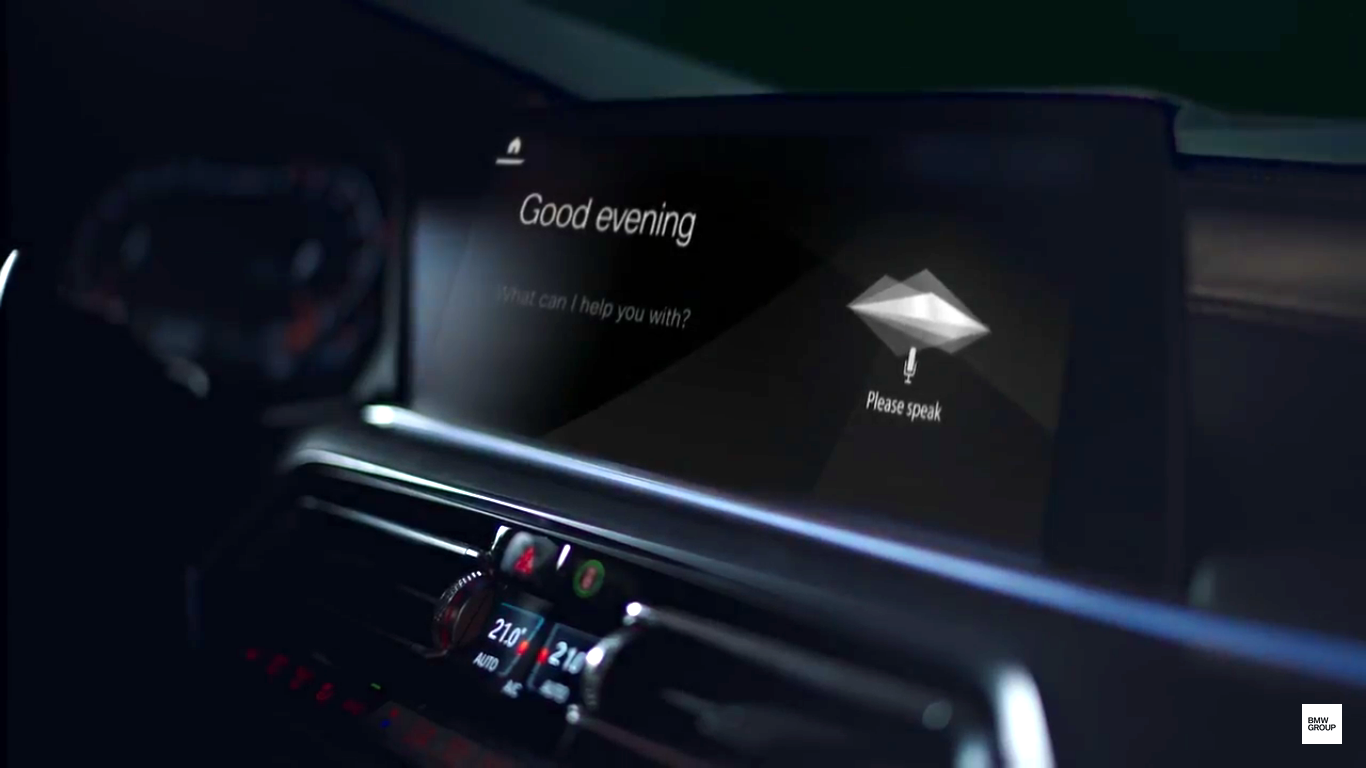
"Hey BMW, Play Some Music" – A Brilliant Use Case of Machine Learning in Vehicles
The Symphony of Technology: When Cars Learn to Listen
Imagine driving down a sun-drenched highway, your hands relaxed on the steering wheel, and with a simple vocal command, your BMW understands exactly what you want. "Hey BMW, play some music" – and just like that, your favorite playlist begins, tailored precisely to your mood. This isn‘t science fiction; this is the remarkable reality of modern machine learning in automotive technology.
The Human-Machine Conversation Revolution
Every technological breakthrough starts with a simple dream: making complex systems understand human intention. In the world of automotive artificial intelligence, this dream has transformed from an ambitious concept into a sophisticated reality. BMW‘s voice assistant represents more than just a technological feature – it‘s a profound shift in how humans interact with machines.
The Acoustic Landscape: Understanding Machine Listening
When you speak to your BMW, what really happens behind the scenes is a complex dance of algorithms, neural networks, and sophisticated signal processing. Unlike traditional voice recognition systems that merely transcribed words, modern automotive AI comprehends context, intent, and even emotional nuance.
The Neural Network‘s Ears
Machine learning models powering BMW‘s voice assistant are trained on massive datasets comprising millions of spoken interactions. These models don‘t just recognize words; they understand linguistic patterns, accents, and contextual variations. Imagine a system that can distinguish between "play rock music" and "play rock, music" – that‘s the level of sophistication we‘re discussing.
Training the Digital Listener: Machine Learning Methodologies
The journey of creating an intelligent automotive voice assistant involves multiple sophisticated machine learning techniques. Convolutional Neural Networks (CNNs) and Recurrent Neural Networks (RNNs) work in harmony to process audio signals, transforming sound waves into meaningful commands.
Signal Processing: The Invisible Magic
When you say "Hey BMW", the system performs instantaneous signal processing. Background noise is filtered, your voice is isolated, and acoustic features are extracted. Advanced algorithms then match these features against trained models, determining not just what you said, but what you meant.
Privacy and Personalization: The Delicate Balance
One might wonder: how does BMW ensure these sophisticated systems respect user privacy while delivering personalized experiences? The answer lies in intelligent data management and edge computing techniques.
Local Intelligence, Global Understanding
Instead of sending every voice command to remote servers, BMW‘s system processes most interactions locally within the vehicle. This approach ensures faster response times and significantly enhanced privacy protection. Machine learning models are continuously updated, learning from interactions while maintaining strict data anonymization protocols.
The Emotional Intelligence of Automotive AI
Beyond technical capabilities, BMW‘s voice assistant represents a breakthrough in machine emotional intelligence. The system doesn‘t just execute commands; it understands context and adapts to individual user preferences.
Learning Your Language of Comfort
Imagine the assistant recognizing that after a long workday, you prefer calmer music. Or understanding that on weekend mornings, you might want more energetic playlists. This level of personalization transforms a technological feature into an almost companion-like experience.
Technological Challenges: The Road Less Traveled
Developing such an advanced system isn‘t without significant challenges. Automotive voice assistants must function flawlessly across diverse environments – from quiet suburban streets to noisy highways, from freezing winters to scorching summers.
Acoustic Environment Adaptation
Machine learning models are rigorously trained to handle extreme acoustic variations. They must distinguish driver commands amidst engine noise, passenger conversations, and external sound interference. This requires sophisticated noise reduction algorithms and adaptive signal processing techniques.
The Economic and Technological Implications
BMW‘s voice assistant isn‘t just a feature; it represents a significant technological investment and a glimpse into the future of automotive interaction. By 2026, the automotive AI market is projected to reach \$5.5 billion, with voice interaction systems playing a pivotal role.
Driving the Future of Mobility
These technologies aren‘t merely about convenience. They represent a fundamental reimagining of human-machine interaction, making transportation more accessible, intuitive, and personalized.
Looking Ahead: The Continuous Learning Journey
Machine learning is never static. BMW‘s voice assistant will continue evolving, becoming more intelligent, more responsive, and more attuned to individual user needs.
The Infinite Potential of Automotive AI
As neural networks become more sophisticated and training datasets more comprehensive, we can anticipate voice assistants that understand not just commands, but emotions, intentions, and potentially even predictive needs.
Conclusion: More Than Just a Voice Command
"Hey BMW, play some music" represents far more than a simple instruction. It‘s a testament to human ingenuity, a celebration of technological progress, and a glimpse into a future where machines understand us not just literally, but empathetically.
In the grand symphony of technological evolution, automotive AI plays a melodious, increasingly sophisticated tune – and we‘re just hearing the first notes.