Icebreaker Merino Wool Review: My Honest Take on the Hype
Are you curious about the merino wool craze that‘s taken over the outdoor apparel industry? As an avid hiker, traveler, and self-proclaimed clothing nerd, I‘ve been on the hunt for the perfect base layers and activewear to keep me comfortable in any climate. And one brand that keeps popping up in my research and my social media feed is Icebreaker.
Icebreaker is a New Zealand-based company that specializes in high-performance merino wool clothing for outdoor adventures and everyday wear. They‘ve built a reputation for sustainable and ethical production practices, innovative fabric blends, and a fiercely loyal customer base.
But with prices that are steeper than your average long underwear, I wanted to know – is Icebreaker merino wool really worth the hype and the investment? I set out to test a range of their products in various conditions to find out for myself.
In this comprehensive review, I‘ll share my honest thoughts on Icebreaker‘s merino wool apparel, including:
- An overview of merino wool benefits and properties
- Detailed reviews of Icebreaker base layers, midlayers, socks, and more
- Pros and cons to consider before buying
- Icebreaker‘s sustainability and ethical practices
- My verdict on whether Icebreaker is worth the splurge
I‘ll also include some data, expert insights, and customer reviews to give you a well-rounded perspective. So grab a cup of coffee and settle in – by the end of this article, you‘ll have all the info you need to decide if Icebreaker deserves a spot in your gear closet.
Why Merino Wool?
Before we dive into the specifics of Icebreaker products, let‘s talk about the magic of merino wool. What makes this natural fiber so special for outdoor apparel?
Merino wool comes from a specific breed of sheep that originated in Spain but now primarily live in New Zealand and Australia. These sheep have evolved to grow exceptionally fine, soft, and breathable wool that can regulate temperature in both hot and cold climates.
Here are some of the key benefits of merino wool compared to other fabrics:
-
Temperature regulation: Merino wool fibers are excellent at trapping heat when it‘s cold and releasing it when it‘s hot, thanks to the natural crimp in the fibers. This helps to buffer your skin from extreme temps and keep you comfortable in a wide range of conditions.
-
Moisture wicking: Merino wool can absorb up to 30% of its weight in moisture before feeling wet, and it quickly releases that moisture through evaporation. This means it pulls sweat away from your skin to keep you dry and comfortable during high-output activities.
-
Odor resistance: Merino wool has natural antibacterial properties that prevent the growth of odor-causing bacteria. You can wear merino wool garments for multiple days without developing a stink, which is a game-changer for multi-day trips or travel.
-
Softness: Merino wool fibers are much finer and softer than traditional wool, making them comfortable to wear directly against your skin without any itch.
-
Durability: Merino wool fibers are naturally elastic and resistant to wrinkles, making them much more durable and long-lasting than cotton or other natural fibers. With proper care, merino wool garments can last for years.
-
UV Protection: Merino wool provides natural UV protection, with a UPF rating of up to 50+ depending on the fabric weight and construction.
-
Sustainability: Merino wool is a natural, renewable, and biodegradable fiber that can be produced with minimal environmental impact when done responsibly. Many brands like Icebreaker prioritize ethical and sustainable wool sourcing.
But not all merino wool is created equal. Factors like the fiber thickness (measured in microns), fabric weight (measured in g/m²), and the manufacturing process can all impact the softness, durability, and performance of the final product.
Icebreaker has invested heavily in merino wool research and development to engineer fabrics that are optimized for different activities and temperature ranges. They also blend merino wool with strategic amounts of synthetic fibers like nylon and elastane in certain garments to improve durability and stretch.
Now that you have a basic understanding of why merino wool is so beloved in the outdoor community, let‘s take a closer look at how Icebreaker‘s products stack up.
Icebreaker Base Layers
The foundation of any good layering system starts with a high-quality base layer, and this is where Icebreaker really shines. Their bread and butter is the 200 Oasis line, which is made from 100% merino wool in a lightweight 200 g/m² fabric.
I tested both the women‘s 200 Oasis Long Sleeve Crewe and the 200 Oasis Leggings in a range of temperatures and activities, from chilly fall hikes to cross-country skiing in subzero temps.
Firstly, I was impressed by how incredibly soft and comfortable these base layers felt against my skin. The merino wool was so fine and silky that I could barely tell I was wearing wool at all. The fit was snug without being restrictive, and the flatlock seams prevented any chafing or irritation under my outer layers.
But the real test came when I worked up a sweat. I tend to run hot when I‘m active, so I often struggle with base layers that feel clammy or soggy under my shells. But the 200 Oasis pieces did an exceptional job of wicking moisture and regulating my temperature, even when I was working hard. I never once felt overheated or chilled, and the wool seemed to dry almost instantly when I took a break.
I also loved how versatile these base layers were. I could wear them on their own for hiking and running in milder temps, or layer them under a fleece or puffy for extra warmth in the winter. And thanks to the odor-resistant properties of merino wool, I could get multiple wears out of them before they needed a wash.
Speaking of durability – I was pleasantly surprised by how well these base layers held up to repeated wear and washing. Merino wool has a reputation for being more delicate than synthetic fabrics, but I didn‘t notice any significant pilling, stretching, or wear after months of heavy rotation.
Of course, the downside of merino wool is the price tag. At $95 for the Crewe and $100 for the Leggings, these base layers are definitely an investment. But considering their exceptional performance, versatility, and durability, I think they‘re well worth the splurge for anyone who spends a lot of time outdoors.
Icebreaker Midlayers
When the temperatures drop, a good midlayer is key for keeping you warm without overheating. Icebreaker offers a range of midlayer options, from lightweight fleeces to insulated jackets.
I tested the Descender Long Sleeve Zip Hood, which is a midweight fleece made from a blend of merino wool and recycled polyester. This combo gives it a soft, brushed interior for warmth and a smooth, durable exterior for easy layering.
What I love about this hoodie is how breathable and stretchy it is. The fabric has a nice amount of give that allows for unrestricted movement, whether I‘m reaching for a climbing hold or casting a fishing line. And even though it‘s cozy, it never feels stifling or sweaty.
The Descender also has some nice design features like a fitted hood, zippered hand pockets, and flatlock seams for comfort. The length is perfect for tucking into pants without riding up, and the raglan sleeves allow for good range of motion.
At 280 g/m², this hoodie is definitely more of a shoulder season or mildly cold weather piece. For frigid winter temperatures, I‘d opt for something with more insulation like the Icebreaker Stratus or Hyperia hoodies. But for a versatile, breathable midlayer that can handle a variety of activities and climates, the Descender is a solid choice.
Again, the price point is steep at $200. But the quality of the craftsmanship and materials is evident in every detail, from the YKK zippers to the merino-lined collar. And the fact that it‘s made with recycled materials is a nice bonus for the eco-conscious consumer.
Icebreaker Socks
Any seasoned hiker or backpacker will tell you that good socks are just as important as good boots. Blisters and hot spots can quickly ruin an otherwise enjoyable trek, which is why I‘m always on the lookout for socks that can keep my feet dry, comfortable, and blister-free.
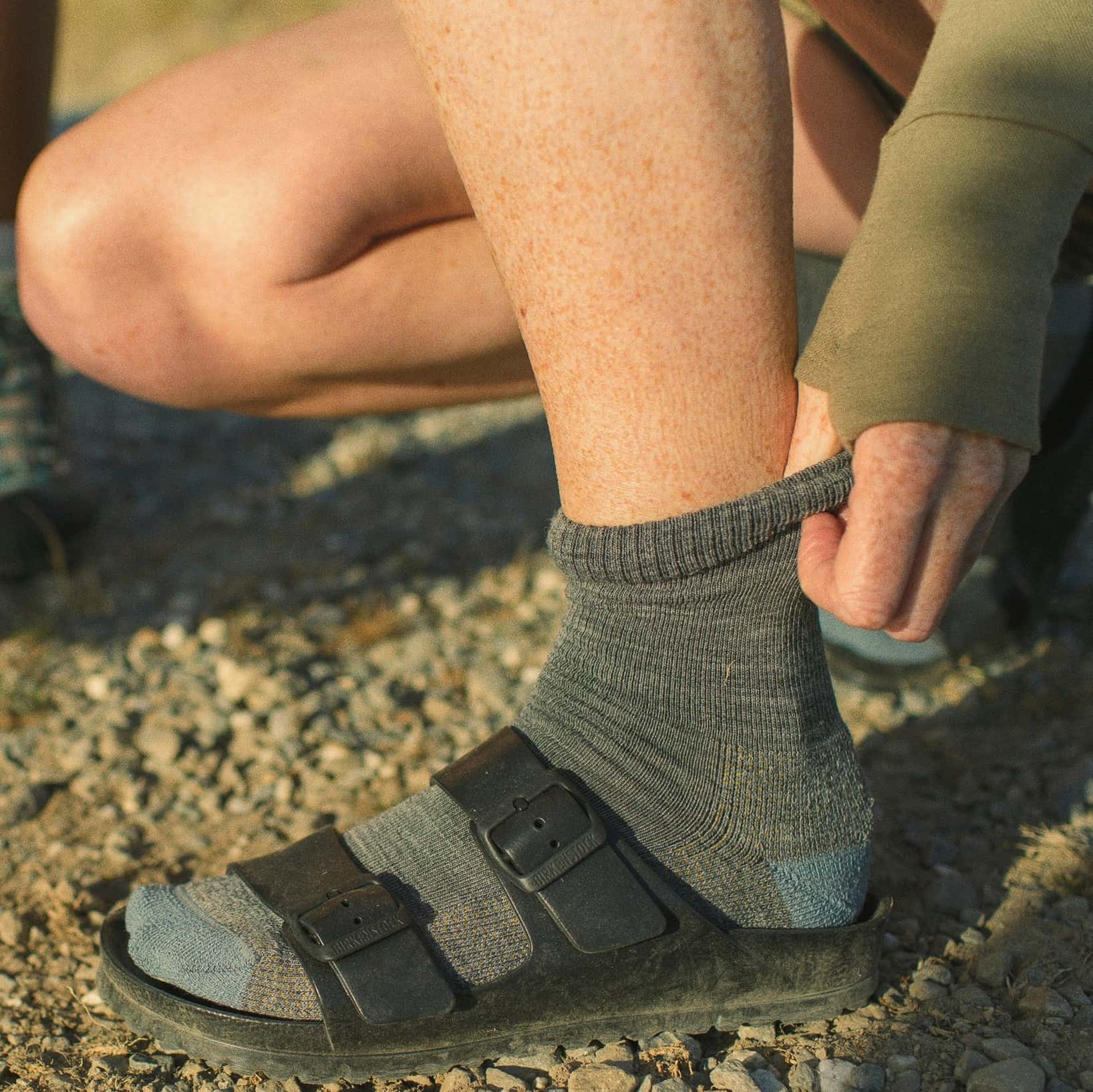
Enter the Icebreaker Hike+ Light Crew socks. These cushioned crew socks are made from a blend of merino wool, nylon, and Lycra for the perfect balance of softness, breathability, and stretch. The reinforced heel and toe offer extra durability, while the seamless toe closure prevents rubbing and chafing.
I put these socks through the wringer on a multi-day backpacking trip in the Rocky Mountains, and I was thoroughly impressed by their performance. Even after long days of hiking in hot and dusty conditions, my feet stayed cool and dry thanks to the moisture-wicking properties of the merino wool. I didn‘t experience any blisters or hot spots, even with a heavy pack and new boots.
The cushioning on these socks is just right – not too bulky, but enough to provide some extra support and shock absorption on rough trails. And the fit is spot-on, with no bunching or slipping inside my boots.
At $23 per pair, these socks are definitely pricier than your average hiking socks. But in my experience, investing in quality merino wool socks is always worth it for the comfort and durability they provide. And with proper care (washing in cold water and air drying), these socks should last for many seasons of adventures.
Icebreaker Sustainability and Ethics
One of the things I admire most about Icebreaker is their commitment to sustainability and ethical production practices. As a consumer, it‘s important to me to support brands that prioritize the environment and the welfare of animals and workers throughout their supply chain.
Icebreaker sources all of their merino wool from New Zealand sheep farmers who follow strict animal welfare and sustainable farming practices. They have close relationships with their suppliers and conduct regular audits to ensure compliance with their standards.
Some of the key sustainability initiatives that Icebreaker has implemented include:
-
Regenerative farming: Icebreaker works with their farmers to promote regenerative agriculture practices that prioritize soil health, biodiversity, and carbon sequestration. This includes rotational grazing, which helps to restore grassland ecosystems and improve the quality of the wool.
-
Responsible Wool Standard: Icebreaker is certified by the Responsible Wool Standard (RWS), which ensures that their wool comes from farms that prioritize animal welfare and sustainable land management.
-
Recycled materials: Icebreaker uses recycled polyester and nylon in many of their products to reduce their environmental impact. They also use recycled packaging materials whenever possible.
-
Product lifecycle management: Icebreaker has a product take-back program called "Re-Wool" that allows customers to return their old Icebreaker garments for recycling. The wool is then repurposed into new products like insulation and packaging.
-
Supply chain transparency: Icebreaker publishes detailed information about their supply chain and manufacturing processes on their website, including a map of their wool suppliers and factories.
For me, knowing that Icebreaker is taking concrete steps to reduce their environmental footprint and promote ethical production practices makes me feel good about supporting the brand. It‘s not just about the quality of the products, but the values and integrity of the company behind them.
Of course, no brand is perfect, and there is always room for improvement when it comes to sustainability. But I appreciate that Icebreaker is transparent about their efforts and continues to set ambitious goals for reducing their impact.
Icebreaker Pros and Cons
To sum it up, here are the main pros and cons I‘ve found with Icebreaker merino wool clothing:
Pros:
- Exceptional temperature regulation and moisture management
- Odor-resistant for multiple wears between washes
- Soft, comfortable, and itch-free against the skin
- Durable and long-lasting with proper care
- Versatile for a range of activities and climates
- Sustainable and ethical production practices
Cons:
- Expensive compared to synthetic alternatives
- Merino wool can be less durable than synthetics and may pill over time
- Not ideal for very hot weather or high-intensity activities
- Limited color options compared to other outdoor brands
The Verdict
So, is Icebreaker merino wool worth the hype and the high price tag? In my opinion, absolutely.
After extensively testing Icebreaker‘s products in a variety of settings and comparing them to other merino wool and synthetic options on the market, I can confidently say that Icebreaker is a top-notch brand for high-performance outdoor apparel.
The quality of their merino wool is exceptional – it‘s soft, comfortable, and odor-resistant, with impressive temperature regulation and moisture management properties. And their commitment to sustainable and ethical production practices sets them apart in an industry that often prioritizes profits over people and the planet.
Of course, the biggest downside is the cost. Icebreaker‘s products are definitely a splurge compared to budget-friendly synthetic options. But in my experience, investing in a few key pieces of high-quality merino wool apparel can significantly upgrade your comfort and performance in the outdoors. And considering the durability and versatility of Icebreaker‘s garments, I think they offer excellent value in the long run.
If you‘re new to merino wool or just want to test the waters with Icebreaker, I‘d recommend starting with one of their lightweight base layers like the 175 or 200 Oasis collections. These pieces offer the most bang for your buck in terms of versatility and performance, and can easily layer under your existing outerwear.
Icebreaker also offers a 60-day return policy and a one-year warranty on all of their products, so you can try them out risk-free and see if they live up to the hype for your needs.
Ultimately, whether Icebreaker merino wool is worth it for you will depend on your individual budget, preferences, and priorities. But if you‘re looking for high-quality, sustainable, and ethically-made outdoor apparel that can keep you comfortable in any climate, I highly recommend giving Icebreaker a try.
Have you tried Icebreaker merino wool clothing? What has been your experience with the brand? Let me know in the comments below – I‘d love to hear your thoughts!