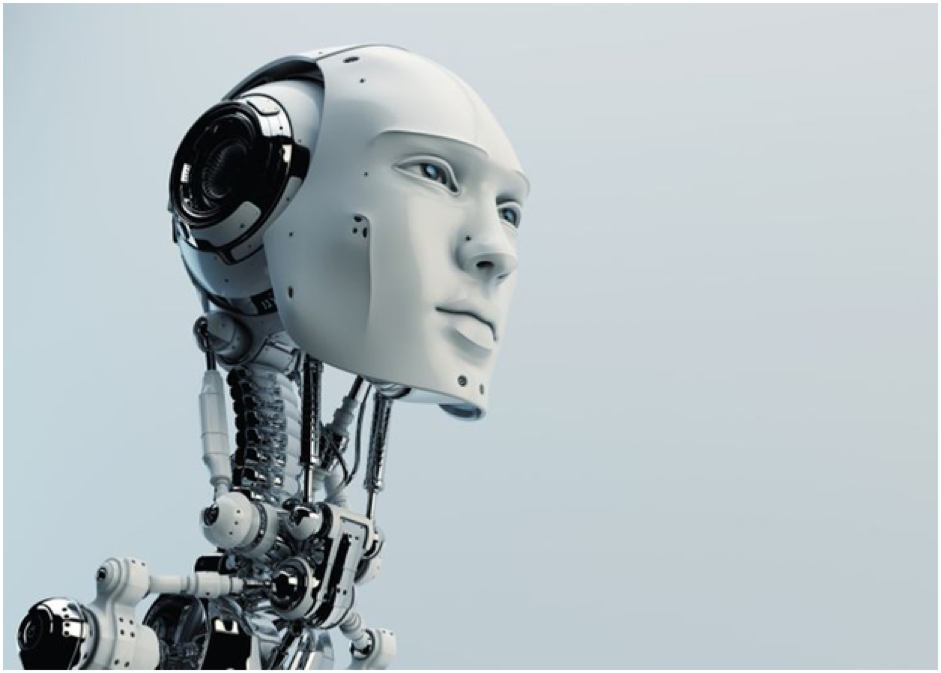
Is Artificial Intelligence a Threat to the World? Navigating the Complex Landscape of AI Risks
The Silent Revolution: Understanding AI‘s Transformative Power
Imagine standing at the crossroads of technological evolution, where every decision could reshape humanity‘s future. This isn‘t science fiction—it‘s our current reality with artificial intelligence. As someone who has spent years studying the intricate dance between human intelligence and machine learning, I‘ve witnessed firsthand the breathtaking potential and profound challenges AI presents.
The Genesis of Artificial Intelligence
The journey of artificial intelligence began not as a sudden breakthrough, but as a gradual, fascinating progression of human curiosity and technological innovation. In the mid-20th century, pioneers like Alan Turing and John McCarthy planted the seeds of what would become a revolutionary field of study. They envisioned machines that could think, learn, and potentially match human cognitive capabilities.
Today, we‘re experiencing an unprecedented acceleration in AI development. Machine learning algorithms can now recognize complex patterns, make nuanced decisions, and even create art that challenges our understanding of creativity. But with great power comes great responsibility—and potential risks.
Unpacking the Multifaceted Risks of Artificial Intelligence
The Job Market Transformation
Consider Maria, a customer service representative who recently learned her job might be replaced by an AI chatbot. Her story represents millions worldwide facing technological disruption. While AI promises efficiency, it simultaneously threatens traditional employment structures.
Recent studies from McKinsey Global Institute suggest that up to 800 million jobs could be automated by 2030. This isn‘t just about replacing manual labor—sophisticated AI systems are now capable of performing complex cognitive tasks in fields like law, medicine, and finance.
Cybersecurity: The Invisible Battlefield
The digital landscape has become increasingly vulnerable. AI-powered cyber attacks can now:
- Generate sophisticated phishing emails indistinguishable from genuine communications
- Exploit network vulnerabilities at unprecedented speeds
- Create deepfake technologies that challenge our perception of reality
A report from cybersecurity firm CrowdStrike revealed that AI-enhanced attacks increased by 300% in 2023, demonstrating the escalating technological arms race.
Ethical Dilemmas in Machine Decision-Making
Imagine an autonomous vehicle faced with an impossible split-second decision: swerve and potentially harm pedestrians, or protect its passengers at all costs. This scenario illustrates the complex ethical challenges embedded in AI systems.
Machine learning algorithms are fundamentally trained on historical data, which means they can inadvertently perpetuate existing societal biases. A landmark study from MIT revealed significant racial and gender biases in facial recognition technologies, highlighting the critical need for ethical AI development.
The Psychological Landscape of Human-AI Interaction
Our relationship with artificial intelligence is fundamentally transforming human psychology. As AI becomes more sophisticated, we‘re experiencing unprecedented levels of technological intimacy.
Consider how virtual assistants like Siri or Alexa have already normalized conversational interactions with machines. These technologies are subtly reshaping our communication patterns, expectations, and even emotional responses.
The Superintelligence Speculation
Renowned researchers like Nick Bostrom propose a provocative scenario: What happens when AI systems become exponentially more intelligent than human creators? This isn‘t mere speculation—it represents a potential existential risk to humanity.
The concept of artificial general intelligence (AGI) suggests machines could eventually develop comprehensive cognitive abilities surpassing human intelligence across all domains. While exciting, this prospect also introduces unprecedented challenges in control and alignment.
Technological Safeguards and Responsible Development
Despite these challenges, hope remains. The global scientific community is actively developing frameworks to ensure responsible AI development:
International Collaboration
Countries like the United States, European Union members, and China are establishing comprehensive AI governance protocols. These initiatives aim to create ethical guidelines, ensuring technological innovation remains human-centric.
Technical Alignment Strategies
Researchers are developing sophisticated techniques to embed human values directly into AI systems. This includes:
- Creating robust ethical training frameworks
- Developing transparent decision-making algorithms
- Implementing comprehensive testing protocols
Personal Reflection: Navigating Uncertainty
As an AI researcher, I‘ve learned that technological progress is neither inherently good nor bad—it‘s a tool shaped by human intention. Our collective responsibility lies in thoughtful, ethical development.
The future of artificial intelligence isn‘t predetermined. It‘s a collaborative journey requiring continuous dialogue, critical thinking, and a commitment to humanity‘s core values.
A Call to Conscious Innovation
We stand at a pivotal moment in technological evolution. AI represents both our most remarkable achievement and our most significant challenge. By approaching its development with wisdom, empathy, and rigorous scientific scrutiny, we can transform potential threats into unprecedented opportunities.
Conclusion: Embracing Complexity
Artificial intelligence isn‘t a distant, abstract concept—it‘s a living, evolving technology intimately connected to our human experience. Our task is not to fear this technology but to guide its development with intelligence, compassion, and foresight.
The story of AI is still being written, and you—yes, you—are part of its unfolding narrative.
Note: This exploration represents a snapshot of our current understanding. As AI continues to evolve, so too will our perspectives and strategies.