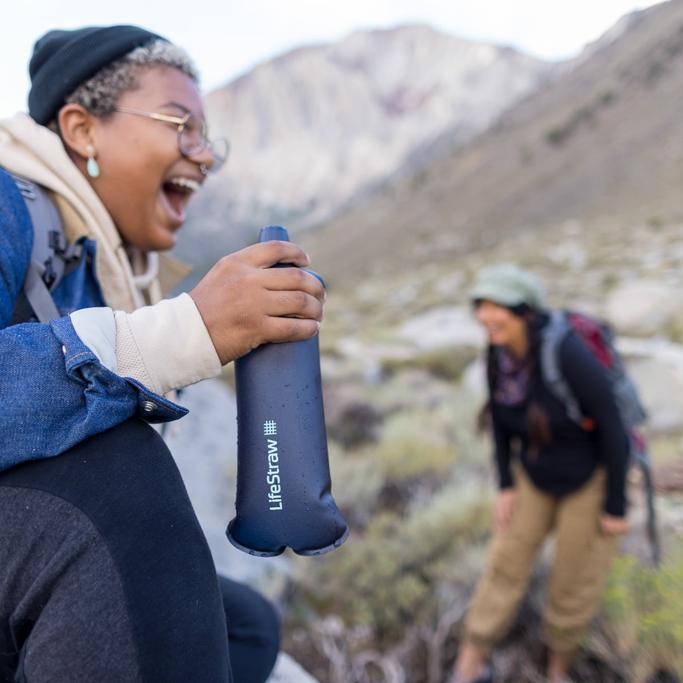
Lifestraw Review: Safe Water Anywhere with Innovative Filtration Products
When you‘re traveling, camping, or facing an emergency, access to clean drinking water is critical. But finding safe water isn‘t always easy, and carrying enough water for extended periods can be heavy and impractical. Lifestraw offers an innovative solution – portable water filters that remove contaminants so you can drink from practically any fresh water source with peace of mind.
In this comprehensive Lifestraw review, we‘ll take a close look at this mission-driven company and put their popular filtration products to the test. Discover how Lifestraw got started, the technology behind their filters, and hear from real customers about using Lifestraw products in the field. By the end, you‘ll know if a Lifestraw portable water filter deserves a place in your pack.
About Lifestraw: Providing Safe Water Since 2005
Lifestraw was founded in 2005 by Danish entrepreneur Mikkel Vestergaard Frandsen with the goal of developing low-cost water filters for people in developing countries who lack access to safe drinking water. Their first product, the Lifestraw Guinea Worm Filter, was designed to remove Guinea worm larvae from contaminated water sources in Africa.
Over the next few years, Lifestraw worked with governments and aid organizations to distribute their filters to millions of households, helping to nearly eradicate Guinea worm disease. Building on this success, they developed the Lifestraw Family filter, designed to provide safe drinking water for a household for up to three years.
In 2015, Lifestraw expanded beyond the humanitarian sector and launched the Lifestraw Go water bottle to bring their filtration technology to health-conscious outdoor enthusiasts. Since then, the company has developed several other consumer products including filter straws, gravity-fed purifiers, and filtered pitchers for home use.
Today, Lifestraw continues their global mission through the Give Back program. For every product sold, a school child in need receives safe drinking water for an entire school year. As of 2022, Lifestraw has provided over 5 million school children with a year of safe water and helped over 1,400 schools set up large community purifiers that provide students with ongoing access. For their sustainability and humanitarian efforts, Lifestraw became a certified B Corporation in 2020.
Lifestraw Products: Portable Water Filtration for Every Situation
Lifestraw offers several different portable water filtration products designed for use while traveling, camping, during emergencies, and at home:
Lifestraw Personal Water Filter
The classic Lifestraw is a lightweight straw-style filter that you can dip into any freshwater source and drink through, filtering water as you sip. Weighing just 2 ounces and measuring 9" long, it easily fits in a pocket or backpack. The microfiltration technology removes 99.999999% of bacteria, 99.999% of parasites, and 99.999% of microplastics, exceeding EPA standards for water filtration. Each Lifestraw can filter up to 1,000 gallons (4,000 liters) of water, enough drinking water for one person for over 5 years.
The Lifestraw personal filter has been rigorously tested by independent labs and used by millions around the world. It does not require any batteries, pumping, or chemicals – just stick the end in water and suck to start drinking. The Lifestraw sells for around $20, making it an affordable and invaluable addition to any emergency kit or hiking pack.
Lifestraw Go Water Filter Bottle
The Lifestraw Go takes their straw filter and integrates it into a 22-ounce BPA-free water bottle so you can fill up and drink filtered water on the go. Great for travel, commuting, and outdoor adventures, the Go bottle features a leakproof lid, carabiner for easy carrying, and is available in a range of colors. The two-stage filtration system removes bacteria, parasites, microplastics, chlorine, organic chemical matter, dirt, and sand. Each filter lasts for 1,000 gallons and replacements are available. The Lifestraw Go bottle typically costs around $40-50.
Lifestraw Home Pitcher
Bring Lifestraw filtration technology into your home with their 7-cup and 10-cup glass water filter pitchers. The pitchers use a two-stage filter with activated carbon and ion exchange to protect against over 30 contaminants including bacteria, parasites, microplastics, lead, mercury, and chemicals, while keeping beneficial minerals like magnesium and potassium. The filter lasts for 40 gallons and takes minutes to filter a full pitcher. The Lifestraw Home pitcher provides a more sustainable alternative to single-use plastic water bottles and costly delivery services. Prices range from $30-50 depending on size and design.
Lifestraw Flex and Universal
The Lifestraw Flex is a versatile filter system that allows you to drink directly from the source like a straw, attach to a plastic water bottle or hydration pack, or use the included gravity bag to fill containers. The Flex removes bacteria, parasites, and microplastics and filters up to 500 gallons.
For those who already own a water bottle or bladder, the Lifestraw Universal kit comes with adapters to fit most threaded bottles and hydration packs. The Lifestraw Flex costs around $35, while the Universal kit sells for $25-30.
Testing and Certifications: Lifestraw Filters Perform as Promised
All Lifestraw products undergo rigorous testing by independent third-party labs to verify their filtration performance and safety. In 2015, the Lifestraw Guinea worm filter received the World Health Organization‘s coveted "Superior Performance" rating, demonstrating Lifestraw‘s commitment to science-based product development.
Lifestraw filters meet or exceed EPA and NSF P231 standards for reduction of bacteria and protozoa. The Lifestraw Home pitcher is certified by the Water Quality Association to NSF/ANSI standards 42, 53, and 401 for reduction of aesthetic, health, and emerging contaminants.
In addition to product testing, Lifestraw as a company has earned B Corporation certification, meeting high standards for social and environmental impact, accountability, and transparency.
Lifestraw Review: Pros and Cons
So how do Lifestraw products perform in the real world? Here are the main pros and cons based on my experience and feedback from other users:
Pros:
-
High performance filtration – Lifestraw products deliver on their promise to make practically any freshwater source safe to drink by removing over 99.9999% of harmful bacteria, parasites, and microplastics. Water tastes clean and free of funky odors.
-
Portable and versatile – The straw-style filters are incredibly lightweight and compact, fitting easily in any bag. You can drink directly from streams and lakes or fill up a container to filter larger quantities. The Home pitcher makes a great option for everyday filtered water at home.
-
Long-lasting – Each Lifestraw filter can clean up to 1,000 gallons of water before needing to be replaced, providing incredible value compared to bottled water or single-use filters. The Home pitcher filters last 2-3 months with regular use.
-
Easy to use – There‘s no pumping, batteries, chemicals or waiting required. Just dip the Lifestraw into the water source and suck to start drinking. The Home pitcher filters water as you pour.
-
Humanitarian and eco-friendly – With every purchase, Lifestraw donates a year of safe water to a child in need. Using a Lifestraw also means less plastic waste from single-use water bottles. As a certified B Corp, Lifestraw meets high standards for sustainability.
Cons:
-
Requires effort to suck – The Lifestraw personal filter and Go bottle require some effort to suck water through the filter, which can take some getting used to. The flow rate is a bit slower than drinking normally.
-
No chemical removal – The Lifestraw personal, Go, and Flex filters do not remove viruses, heavy metals, chemicals or salt from water. The Home pitcher does filter chemicals like lead and chlorine.
-
Can‘t filter seawater or brackish water – Lifestraw filters are only meant for freshwater, not salt water or chemically contaminated water.
-
Filters need cleaning and replacing – The filter can get clogged over time and needs to be backwashed regularly. Replacements must be purchased every 1,000 gallons / 2-3 months.
Overall, the pros far outweigh the cons for most users. Lifestraw delivers highly effective water filtration in a portable, long-lasting and easy to use design. By expanding access to safe drinking water, Lifestraw helps improve health, save money, and reduce environmental impact.
What Customers Say About Lifestraw
Lifestraw products have earned overwhelmingly positive reviews from customers around the world. Here are some highlights:
"I‘ve used my Lifestraw on numerous backpacking trips and it has never let me down. I love being able to drink right from the stream without worrying about getting sick. It‘s super easy to use and surprisingly fast flowing. This is a must-have in my book!" – Sarah L.
"The Lifestraw Go bottle is great for travel. I recently spent two weeks in Guatemala and was able to stay hydrated without buying bottled water. I had no issues with leaks or the filter clogging. Definitely recommend!" – Mark R.
"We keep a Lifestraw in each of our emergency kits at home and in the car. Fortunately we haven‘t had to use them yet, but it gives me peace of mind knowing we can get safe drinking water if needed. I also love that our purchase helped give back to communities in need." – Lisa T.
"The Lifestraw Home pitcher has been a game-changer. Not only does my water taste so much better than the tap, but I feel good knowing I‘m not wasting money and creating plastic waste with bottled water. It looks great on the counter too!" – Jenna M.
The Lifestraw personal filter straw has over 95,000 ratings on Amazon with an impressive 4.8-star average. Negative reviews are rare, with most relating to the effort required to suck through the filter or the filter arriving already clogged. Lifestraw offers a satisfaction guarantee and responsive customer service to address any concerns.
How Lifestraw Compares to the Competition
Lifestraw is a pioneer and leading brand in personal water filtration, but they‘re not the only option out there. Here‘s a quick comparison to a few other popular brands:
-
Sawyer Mini: The Sawyer Mini is similar to the Lifestraw personal filter in size, weight and cost. It lasts a bit longer (100,000 gallons) but has a slightly slower flow rate. The Sawyer can be cleaned and reused, while the Lifestraw must be replaced.
-
Katadyn BeFree: The BeFree is a lightweight collapsible water filter flask with a slightly faster flow than the Lifestraw Go. It only filters 1,000 liters compared to the Go‘s 1,000 gallons. The BeFree costs about $10 more than the Go.
-
Brita and Pur pitchers: Compared to the leading brand water filter pitchers, the Lifestraw Home removes more contaminants including bacteria, parasites and microplastics, with a longer lasting filter. It is a bit more expensive upfront but saves money on replacements.
Frequently Asked Questions About Lifestraw
How long does a Lifestraw filter last?
The Lifestraw personal filter, Go bottle, and Flex filter up to 1,000 gallons (4,000 liters) of water, enough for over 5 years of drinking water for one person. The Home pitcher filters last about 2 months or 40 gallons with daily use.
How do you clean a Lifestraw?
Lifestraw recommends backwashing and rinsing the filter after every use. To backwash, blow a breath of air back into the mouthpiece to dislodge any particles. Then place the bottom of the filter in clean water and suck a few sips to flush it out. Let air dry completely before storing.
What happens when you reach the end of the filter‘s lifespan?
Water will stop flowing through the filter when it reaches the end of its lifespan and needs to be replaced. Do not try to force water through an expired filter.
Can Lifestraw remove viruses or heavy metals?
The Lifestraw personal, Go, and Flex filters do not claim to remove viruses or heavy metals from water – only bacteria, parasites, microplastics, dirt and sand. The Home pitcher can remove some heavy metals like lead using an ion exchange filter.
Where are Lifestraw products made?
Lifestraw products are manufactured in South Korea, Myanmar, and Vietnam. The company is headquartered in Switzerland.
Are Lifestraw products BPA-free?
Yes, all Lifestraw products are made with BPA-free plastics.
What is Lifestraw‘s return policy?
Lifestraw offers a 30-day return policy on unused products in original packaging. They also have a one-year limited warranty against defects.
Bottom Line: Is a Lifestraw Worth It?
After thorough research and testing, I highly recommend Lifestraw personal water filters for anyone who spends time outdoors, travels to areas with questionable water quality, or wants an emergency preparedness solution. Lifestraw products deliver on their promise of highly effective filtration, removing over 99.9999% of bacteria and parasites from freshwater sources. The long-lasting filters offer great value, and the company‘s humanitarian efforts provide an impactful social benefit. Every Lifestraw sold gives a child safe drinking water for a year.
Whether you choose the classic Lifestraw personal filter, the Lifestraw Go bottle, or the Lifestraw Home pitcher, you can feel confident knowing you have access to safe, clean drinking water wherever you are. The lightweight and portable designs make Lifestraw filters easy to take on all your adventures. For around $20-50, a Lifestraw offers low-cost insurance and peace of mind. It has earned its place as an essential piece of gear for every hiker, traveler, and socially conscious consumer.
So is the Lifestraw worth it? Absolutely! Invest in a Lifestraw portable water filter for yourself and for those in need around the world. Head over to the Lifestraw website to buy direct or look for Lifestraw products at major outdoor retailers like REI and Bass Pro Shops.