Mastering Data-Driven Marketing: A Comprehensive Guide for Modern Marketers
The Data Revolution: Transforming Marketing‘s Landscape
Imagine walking into a world where every marketing decision feels like a precisely calculated chess move, where understanding your customer is not just a skill but an art form powered by intelligent technology. Welcome to the era of data-driven marketing—a realm where artificial intelligence and machine learning have become the strategic compass for businesses navigating complex consumer landscapes.
The Human Behind the Data
As an experienced marketing strategist, I‘ve witnessed firsthand how data has transformed from a mere collection of numbers to a living, breathing ecosystem of insights. It‘s not just about gathering information; it‘s about understanding the intricate stories hidden within those data points.
Consider Maria, a marketing director for a global technology firm. She wasn‘t just collecting customer data—she was decoding human behavior, translating digital interactions into meaningful connections. Her approach wasn‘t about cold, calculated algorithms but about creating empathetic, intelligent marketing strategies.
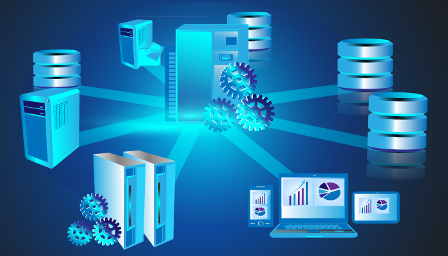
Understanding the Data Ecosystem
The Psychological Foundations of Data Intelligence
Marketing isn‘t just a numbers game—it‘s a complex interplay of human emotions, technological capabilities, and strategic insights. Modern data science goes beyond traditional analytics, diving deep into the psychological undercurrents that drive consumer behavior.
Neuroscientific research reveals that consumers make decisions through a complex network of emotional and rational processes. Machine learning algorithms can now map these intricate decision-making pathways, providing unprecedented insights into consumer psychology.
Technological Evolution in Marketing Intelligence
The journey of marketing technology has been nothing short of revolutionary. From basic demographic segmentation to advanced predictive modeling, we‘ve transitioned into an era where artificial intelligence can anticipate consumer needs before they even emerge.
Real-World Intelligence Mapping
Take, for example, a global e-commerce platform that implemented advanced machine learning algorithms. By analyzing millions of customer interactions, they developed a predictive model that could:
- Anticipate product preferences
- Customize user experiences in real-time
- Optimize pricing strategies dynamically
- Reduce customer acquisition costs
This isn‘t just technological innovation—it‘s a fundamental reimagining of customer relationship management.
Pricing Strategy: The Intelligent Frontier
Dynamic Pricing Models: Beyond Traditional Approaches
Pricing is no longer a static concept but a sophisticated, real-time conversation between businesses and consumers. Machine learning algorithms enable businesses to create fluid, context-aware pricing strategies that adapt instantaneously.
Consider how airlines have mastered this art. Their pricing isn‘t just about supply and demand—it‘s a complex algorithm considering:
- Historical booking patterns
- Seasonal trends
- Competitor pricing
- Individual customer profiles
- Macroeconomic indicators
The Ethical Dimension of Intelligent Pricing
While technological capabilities are expanding, ethical considerations remain paramount. Transparent, fair pricing strategies build trust and long-term customer relationships.
Data Collection: Navigating Privacy and Personalization
The Delicate Balance
In an age of increasing privacy concerns, collecting customer data requires a nuanced, respectful approach. It‘s about creating a value exchange where customers willingly share information in return for personalized, meaningful experiences.
Privacy as a Competitive Advantage
Brands that prioritize data transparency and provide clear value propositions will differentiate themselves in crowded markets. It‘s not about collecting more data, but about collecting the right data intelligently and ethically.
Machine Learning: Predictive Intelligence in Action
Algorithmic Decision Making
Modern machine learning models can process complex, multidimensional data sets, identifying patterns invisible to human analysts. These algorithms don‘t just predict—they learn, adapt, and evolve.
A fascinating example comes from Netflix, where machine learning algorithms analyze viewing habits to not just recommend content but to actually influence content creation strategies.
Global Perspectives: Cultural Nuances in Data Marketing
Beyond One-Size-Fits-All Approaches
Intelligent marketing recognizes that consumer behavior varies dramatically across cultural contexts. Machine learning enables hyper-localized marketing strategies that respect and celebrate cultural diversity.
Future Horizons: Emerging Technologies
The Next Frontier
Emerging technologies like quantum computing and advanced neural networks promise to revolutionize how we understand and engage with consumer data. We‘re moving towards a future where marketing becomes a seamless, intelligent conversation.
Practical Implementation Strategies
Building Your Data Intelligence Framework
- Invest in continuous learning
- Foster a culture of technological curiosity
- Prioritize ethical data practices
- Develop cross-functional skills
- Embrace technological experimentation
Conclusion: The Human-Technology Symbiosis
Data-driven marketing isn‘t about replacing human creativity—it‘s about augmenting our capabilities, providing insights that transform how we connect with consumers.
As we stand at this technological crossroads, remember: behind every data point is a human story waiting to be understood.