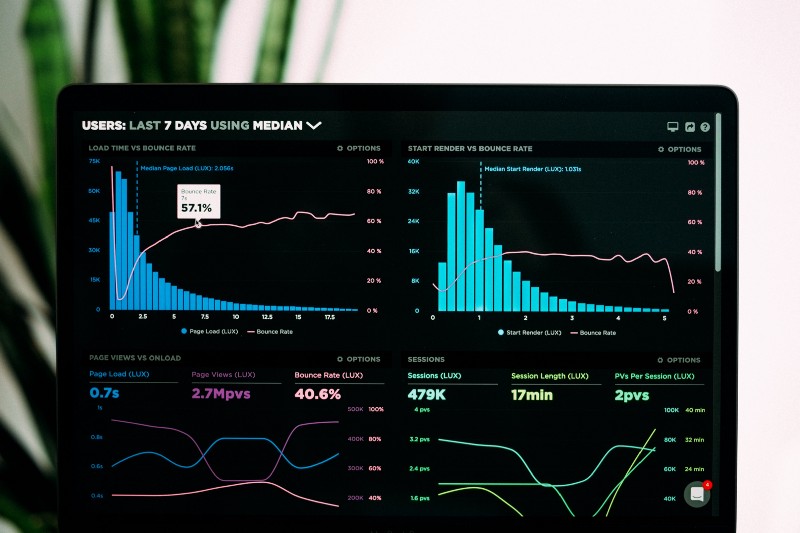
Mastering Google Data Studio: A Transformative Journey into Dynamic Dashboard Design
The Data Visualization Revolution: More Than Just Numbers
Imagine standing in a room filled with endless spreadsheets, drowning in a sea of numbers that seem to whisper complex stories just beyond your comprehension. This was the world of data analysis before tools like Google Data Studio emerged – a landscape where insights remained hidden, waiting to be discovered.
As someone who has navigated the intricate world of data visualization for years, I‘ve witnessed a remarkable transformation. Data is no longer just a collection of digits; it‘s a living, breathing narrative waiting to be understood.
The Human Connection in Data Storytelling
Data visualization isn‘t merely about presenting information. It‘s about creating a bridge between complex datasets and human understanding. Google Data Studio represents more than a tool – it‘s a storytelling platform that translates raw numbers into meaningful insights.
Understanding the Technological Landscape
The evolution of dashboard technologies mirrors our growing relationship with data. From rudimentary spreadsheet charts to intelligent, interactive visualizations, we‘ve entered an era where data speaks directly to decision-makers.
Technological Foundations of Google Data Studio
At its core, Google Data Studio leverages cloud computing and distributed data processing technologies. Unlike traditional visualization tools, it offers real-time data synchronization and seamless integration across multiple platforms.
The Architecture Behind the Magic
Data Studio operates on a sophisticated architectural model:
- Distributed data retrieval systems
- Intelligent caching mechanisms
- Dynamic rendering engines
- Secure data transmission protocols
Machine Learning: The Invisible Architect of Modern Dashboards
Machine learning algorithms are quietly revolutionizing how we interact with data. In Google Data Studio, these algorithms work behind the scenes, offering:
- Predictive data modeling
- Automated insight generation
- Intelligent pattern recognition
- Performance optimization techniques
Cognitive Load and Visual Design
When designing dashboards, we‘re not just arranging charts – we‘re creating cognitive experiences. The human brain processes visual information 60,000 times faster than text. This neurological fact transforms dashboard design from a technical task to a psychological art form.
Practical Implementation: Beyond Basic Visualization
Creating a compelling dashboard requires more than technical skills. It demands storytelling, empathy, and a deep understanding of human perception.
The Psychological Dimensions of Data Representation
Consider how color, layout, and interactivity influence data interpretation. A well-designed dashboard doesn‘t just present information; it guides the viewer‘s cognitive journey.
[Cognitive Engagement = (Visual Clarity × Emotional Connection) / Complexity]This formula encapsulates the delicate balance between information density and user experience.
Industry-Specific Dashboard Strategies
Different industries require nuanced visualization approaches:
Healthcare Dashboards
Imagine tracking patient outcomes, resource allocation, and treatment effectiveness through an intuitive interface. Google Data Studio enables healthcare professionals to transform complex medical data into actionable insights.
Financial Services Visualization
Risk assessment, investment tracking, and market trend analysis become more accessible when data tells a clear, compelling story.
Ethical Considerations in Data Visualization
As we embrace powerful visualization technologies, we must also consider ethical implications:
- Data privacy
- Transparent representation
- Avoiding manipulative design techniques
- Ensuring accessibility
Future Technological Horizons
The next frontier of dashboard technologies will likely involve:
- Advanced AI-driven insights
- Natural language processing integration
- Augmented reality data exploration
- Predictive modeling capabilities
The Human-Technology Symbiosis
Technology doesn‘t replace human insight – it amplifies our ability to understand complex systems. Google Data Studio represents this symbiotic relationship between human creativity and technological capability.
Practical Recommendations for Aspiring Data Storytellers
- Embrace Continuous Learning: The data visualization landscape evolves rapidly.
- Prioritize User Experience: Design with empathy and clarity.
- Experiment Fearlessly: Each dashboard is a learning opportunity.
A Personal Reflection
Throughout my journey in data technology, I‘ve learned that the most powerful insights often emerge from unexpected connections. Google Data Studio isn‘t just a tool – it‘s a canvas for human creativity and technological innovation.
Your Dashboard, Your Story
Every dataset contains a unique narrative. Your role is to uncover and communicate that story with precision, creativity, and passion.
Conclusion: The Ongoing Data Visualization Journey
As we stand at the intersection of technology and human understanding, tools like Google Data Studio remind us that data is more than numbers – it‘s a reflection of our collective human experience.
The dashboard you create today might just change how someone sees the world tomorrow.
Invitation to Explore: Your data storytelling journey begins now. Embrace the possibilities, challenge conventions, and transform raw information into meaningful insights.