Mastering MongoDB Indexing: A Data Engineer‘s Comprehensive Journey Through Performance Optimization
The Genesis of Database Optimization: A Personal Narrative
Picture yourself standing before a massive data landscape, armed with nothing but curiosity and a burning desire to understand how databases truly breathe. As a seasoned data engineer who has wrestled with countless database challenges, I‘ve learned that indexing isn‘t just a technical strategy—it‘s an art form.
MongoDB indexing represents more than mere performance enhancement; it‘s a sophisticated dance between data structure and query efficiency. My journey through the intricate world of database optimization has taught me that understanding indexes is akin to understanding the very heartbeat of data management.
The Computational Symphony of Indexes
When we discuss MongoDB indexing, we‘re not just talking about a technical mechanism—we‘re exploring a complex computational symphony where each index represents a carefully composed musical note. Just as a conductor guides an orchestra, indexes guide database queries through the labyrinth of document collections.
The Mathematical Underpinnings of Indexing
At its core, indexing transforms linear search complexity from O(n) to O(log n), a mathematical miracle that dramatically reduces computational overhead. Imagine searching through millions of documents: without an index, you‘d traverse each document sequentially. With an intelligent index, you‘re essentially creating a roadmap that allows near-instantaneous document retrieval.
Diving Deep: MongoDB Index Architecture
B-Tree: The Backbone of Efficient Querying
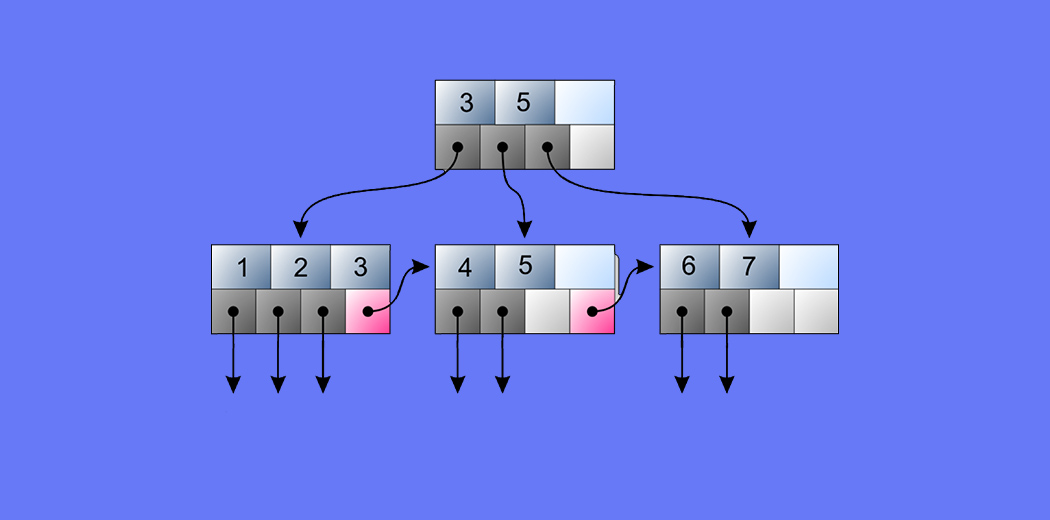
MongoDB‘s primary indexing mechanism relies on B-Tree data structures, a marvel of computer science that enables balanced, logarithmic-time search, insertion, and deletion operations. Unlike traditional binary trees, B-Trees allow multiple child nodes, creating a more flexible and efficient searching mechanism.
# Creating a sophisticated B-Tree index
collection.create_index([
    (‘user_profile.activity_score‘, pymongo.DESCENDING),
    (‘registration_timestamp‘, pymongo.ASCENDING)
])
This index demonstrates how we can create multi-dimensional indexing strategies that capture complex query patterns.
Computational Complexity Analysis
Let‘s break down the performance transformation:
- Unindexed Query: O(n) – Linear scan through entire collection
- Single Field Index: O(log n) – Logarithmic traversal
- Compound Index: O(log n) with reduced search space
The computational savings become exponential as document count increases.
Advanced Indexing Strategies for Machine Learning Workflows
Geospatial Indexing: Beyond Traditional Querying
In machine learning applications, geospatial data represents a fascinating domain. MongoDB‘s 2dsphere indexes enable complex spatial queries that traditional databases struggle to execute efficiently.
# Advanced geospatial indexing for ML location clustering
ml_collection.create_index([
    (‘model_deployment_location‘, pymongo.GEOSPHERE)
])
Real-World Machine Learning Scenario
Consider a recommendation system tracking user interactions across geographical regions. By leveraging geospatial indexing, you can:
- Cluster user behaviors
- Optimize recommendation algorithms
- Reduce query complexity
Text Search Optimization for Natural Language Processing
Text indexes become crucial in NLP applications, enabling sophisticated full-text search capabilities.
# Creating an intelligent text index for NLP
nlp_collection.create_index([
    (‘document_text‘, pymongo.TEXT),
    (‘language_model_score‘, pymongo.DESCENDING)
])
Performance Measurement: Beyond Theoretical Optimization
Benchmarking Indexing Strategies
Measuring index performance isn‘t just about speed—it‘s about understanding the nuanced trade-offs between read efficiency and write overhead.
def measure_index_performance(collection, index_configuration):
    start_time = time.time()
    collection.create_index(index_configuration)
    index_creation_time = time.time() - start_time

    # Additional performance metrics calculation
    return {
        ‘creation_time‘: index_creation_time,
        ‘query_efficiency‘: calculate_query_efficiency()
    }
Emerging Trends in Database Indexing
Machine Learning-Driven Adaptive Indexing
The future of database indexing lies in self-optimizing systems. Imagine indexes that dynamically reconfigure themselves based on query patterns, learning and evolving like neural networks.
Potential research directions include:
- Predictive index generation
- Automated index recommendation systems
- Real-time performance optimization
Practical Implementation Wisdom
The Human Element in Technical Optimization
Remember, behind every index is a human story of problem-solving. Your indexes should reflect not just computational efficiency, but the nuanced requirements of your specific use case.
Conclusion: An Ongoing Journey of Discovery
MongoDB indexing represents more than a technical strategy—it‘s a continuous journey of understanding data‘s intricate dance. As technology evolves, so too must our approach to data management.
Stay curious, keep experimenting, and never stop exploring the fascinating world of database optimization.
Recommended Learning Path
- Deep dive into MongoDB documentation
- Experiment with complex indexing scenarios
- Build real-world projects demonstrating advanced indexing techniques
Happy indexing, fellow data explorer!