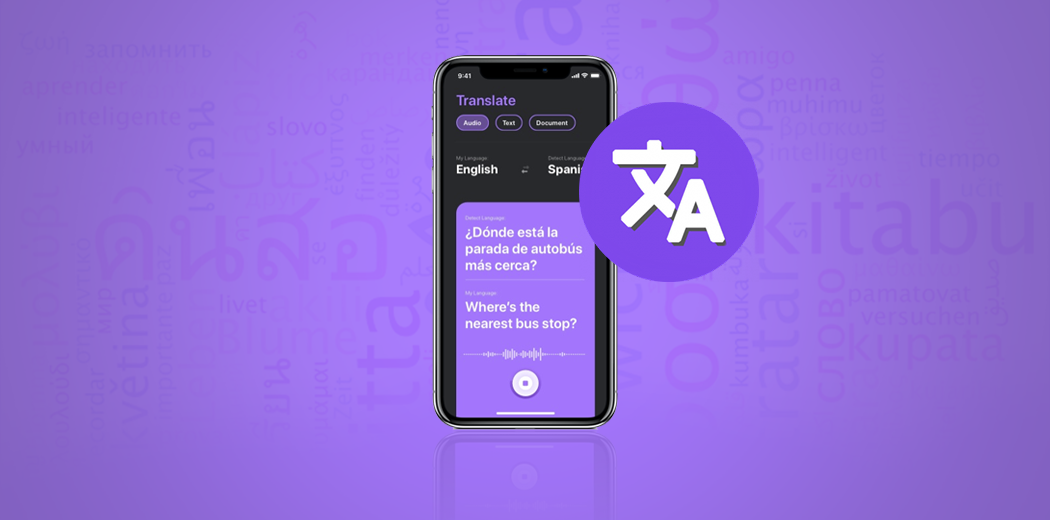
Mastering NLP Apps for iOS: A Developer‘s Transformative Journey
The Dawn of Intelligent Mobile Communication
Imagine holding a device that understands human language as intuitively as another person. This isn‘t science fiction—it‘s the remarkable reality of Natural Language Processing (NLP) in modern iOS development. As someone who has witnessed the breathtaking evolution of mobile technologies, I‘m excited to share a comprehensive roadmap for creating intelligent NLP applications.
The Technological Metamorphosis
When I first started developing mobile applications, language understanding seemed like an insurmountable challenge. Today, Apple‘s sophisticated frameworks have transformed complex linguistic algorithms into elegant, accessible tools that developers can leverage with remarkable ease.
Understanding the NLP Landscape in iOS
Natural Language Processing represents a profound intersection of computational linguistics, artificial intelligence, and machine learning. For iOS developers, this means creating applications that can comprehend, interpret, and generate human-like text interactions.
The Core ML and Natural Language Framework Symbiosis
Apple‘s ecosystem provides two powerful frameworks that work seamlessly together:
- Natural Language Framework: A high-level abstraction for text processing
- Core ML Framework: Machine learning model integration and deployment
These frameworks aren‘t just tools; they‘re gateways to building intelligent, context-aware applications that understand nuanced human communication.
Architectural Foundations of NLP in iOS
Language Detection: Beyond Simple Translation
Consider a scenario where your application needs to automatically detect and respond in multiple languages. The NLLanguageRecognizer makes this seemingly complex task remarkably straightforward.
import NaturalLanguage

class LanguageIntelligence {
    func detectAndProcessLanguage(_ text: String) {
        let recognizer = NLLanguageRecognizer()
        recognizer.processString(text)

        guard let dominantLanguage = recognizer.dominantLanguage else {
            print("Language detection failed")
            return
        }

        // Intelligent routing based on language
        switch dominantLanguage.rawValue {
        case "en": processEnglishContent(text)
        case "es": processSpanishContent(text)
        case "fr": processFrenchContent(text)
        default: handleUnsupportedLanguage(text)
        }
    }
}
Sentiment Analysis: Emotional Intelligence in Code
Sentiment analysis transforms raw text into emotional insights. By understanding the underlying sentiment, developers can create more responsive and empathetic applications.
extension NLTagger {
    func analyzeSentimentWithContext(_ text: String) -> SentimentContext {
        let tagger = NLTagger(tagSchemes: [.sentimentScore])
        tagger.string = text

        let (sentiment, _) = tagger.tag(at: text.startIndex,
                                        unit: .paragraph,
                                        scheme: .sentimentScore)

        guard let score = sentiment?.tokenValue else {
            return .neutral
        }

        switch score {
        case ..<(-0.5): return .stronglyNegative
        case (-0.5)..<0: return .negative
        case 0: return .neutral
        case 0...0.5: return .positive
        default: return .stronglyPositive
        }
    }
}
Performance Optimization Strategies
Intelligent Caching and Model Management
Efficient NLP applications require strategic resource management. By implementing intelligent caching mechanisms, developers can significantly reduce computational overhead.
class NLPResourceManager {
    private let embeddingCache = NSCache<NSString, NLEmbedding>()

    func getCachedEmbedding(for language: Language) -> NLEmbedding? {
        let cacheKey = language.rawValue as NSString

        if let cachedEmbedding = embeddingCache.object(forKey: cacheKey) {
            return cachedEmbedding
        }

        guard let embedding = NLEmbedding.wordEmbedding(for: language) else {
            return nil
        }

        embeddingCache.setObject(embedding, forKey: cacheKey)
        return embedding
    }
}
Emerging Trends and Future Perspectives
The Convergence of Machine Learning and Linguistics
As machine learning models become more sophisticated, the boundary between computational linguistics and human communication continues to blur. Future iOS NLP applications will likely feature:
- Contextual understanding beyond literal text interpretation
- Real-time multilingual communication
- Predictive text generation with unprecedented accuracy
- Emotion-aware communication interfaces
Ethical Considerations in NLP Development
Privacy and Consent in Language Processing
While the technological possibilities are exciting, developers must remain vigilant about user privacy. Implementing transparent data handling and obtaining explicit consent becomes paramount in NLP application design.
Practical Implementation Roadmap
- Model Selection: Choose appropriate pre-trained models
- Performance Testing: Benchmark processing speed and accuracy
- Continuous Learning: Implement feedback mechanisms
- Privacy Protection: Ensure data anonymization
- Cross-Platform Compatibility: Design with scalability in mind
Conclusion: The Human-Technology Symbiosis
Natural Language Processing in iOS development represents more than a technological achievement—it‘s a testament to human creativity. By bridging computational complexity with intuitive design, we‘re creating experiences that feel remarkably human.
As you embark on your NLP development journey, remember that each line of code is an opportunity to make technology more accessible, intelligent, and empathetic.
Your Next Steps
- Experiment with sample projects
- Join developer communities
- Stay updated with emerging research
- Never stop learning and exploring
The future of mobile communication is not just about processing language—it‘s about understanding human intention.