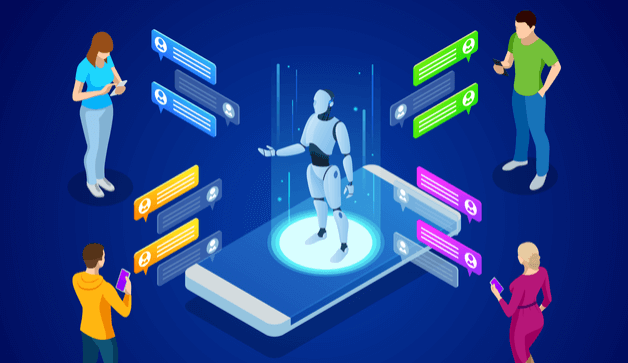
Mastering Telegram Bots: A Comprehensive Python Developer‘s Expedition
The Digital Conversation Revolution: Understanding Telegram Bots
Imagine stepping into a world where technology understands your intent, responds intelligently, and transforms digital interactions. Welcome to the realm of Telegram bots – a fascinating intersection of programming artistry and conversational intelligence.
As an experienced technologist who has witnessed the evolution of digital communication, I‘ve seen how messaging platforms have transformed from simple text exchanges to sophisticated interaction ecosystems. Telegram, in particular, has emerged as a groundbreaking platform that empowers developers to create intelligent, responsive, and dynamic conversational experiences.
The Technological Tapestry of Modern Messaging
The journey of messaging technologies is a remarkable narrative of human creativity and technological innovation. From early internet relay chat (IRC) systems to modern messaging platforms, we‘ve witnessed an extraordinary transformation in how humans communicate digitally.
Telegram stands out in this evolutionary landscape. Unlike traditional messaging applications, Telegram provides developers with robust APIs and a flexible ecosystem that encourages innovation. Its commitment to security, speed, and extensibility makes it a preferred platform for building intelligent communication solutions.
The Architectural Landscape of Telegram Bots
When we dive into Telegram bot development, we‘re not just writing code – we‘re crafting intelligent conversational agents. These bots are more than mere message responders; they‘re sophisticated software systems designed to understand context, interpret user intent, and deliver meaningful interactions.
Technological Foundations
Python emerges as the ideal language for bot development, offering:
- Extensive library support
- Simple, readable syntax
- Powerful machine learning integrations
- Robust ecosystem for complex applications
Deep Dive: Bot Development Methodology
Understanding Bot Architecture
Developing a Telegram bot isn‘t just about writing code; it‘s about designing an intelligent system that can:
- Interpret user messages
- Maintain conversation context
- Provide intelligent responses
- Scale efficiently
Consider a bot as a sophisticated communication bridge, translating human intent into actionable digital responses. This requires a multi-layered approach combining natural language processing, state management, and intelligent response generation.
Advanced Bot Design Patterns
class IntelligentTelegramBot:
    def __init__(self, intelligence_level=‘advanced‘):
        self.context_manager = ContextTracker()
        self.nlp_processor = NaturalLanguageProcessor()
        self.response_generator = ResponseEngine()

    def process_message(self, user_input):
        # Intelligent message processing logic
        context = self.context_manager.extract_context(user_input)
        intent = self.nlp_processor.analyze_intent(user_input)
        response = self.response_generator.craft_response(intent, context)
        return response
Machine Learning: Elevating Bot Intelligence
Machine learning transforms bots from rigid command-response systems to adaptive, learning entities. By implementing intelligent algorithms, we can create bots that:
- Learn from interactions
- Improve response accuracy
- Understand nuanced user intents
- Provide personalized experiences
Natural Language Processing Integration
Natural Language Processing (NLP) serves as the cognitive engine of modern bots. Advanced NLP techniques allow bots to:
- Understand semantic meanings
- Detect sentiment
- Handle complex linguistic structures
- Provide contextually relevant responses
Security and Performance Considerations
Building a Telegram bot isn‘t just about functionality – it‘s about creating a secure, performant system. Key considerations include:
- Robust authentication mechanisms
- Rate limiting to prevent abuse
- Efficient memory management
- Scalable architectural design
Deployment Strategies
Modern bot deployment requires a nuanced approach:
- Containerized environments
- Serverless architectures
- Cloud-native infrastructure
- Microservices design
Real-World Bot Implementation: A Practical Guide
Environment Setup
# Create virtual environment
python3 -m venv bot_environment
source bot_environment/bin/activate

# Install essential libraries
pip install python-telegram-bot
pip install python-dotenv
pip install nltk
pip install scikit-learn
Advanced Bot Configuration
import telegram
from telegram.ext import Updater, CommandHandler
from dotenv import load_dotenv
import os

class AdvancedTelegramBot:
    def __init__(self):
        load_dotenv()
        self.token = os.getenv(‘TELEGRAM_BOT_TOKEN‘)
        self.bot = telegram.Bot(token=self.token)

    def initialize_bot(self):
        # Sophisticated bot initialization logic
        pass
Ethical Considerations in Bot Development
As we create increasingly intelligent systems, ethical considerations become paramount. Responsible bot development requires:
- Transparent communication
- User consent mechanisms
- Privacy protection
- Bias mitigation in AI models
The Future of Conversational Technologies
Telegram bots represent more than a technological trend – they‘re a glimpse into the future of human-computer interaction. As artificial intelligence continues to evolve, bots will become more sophisticated, empathetic, and integrated into our daily digital experiences.
Emerging Trends
- Contextual intelligence
- Emotional understanding
- Cross-platform integration
- Personalized interaction models
Conclusion: Your Bot Development Journey
Developing a Telegram bot is an exciting expedition into the world of intelligent software design. By combining Python‘s flexibility, Telegram‘s robust platform, and advanced machine learning techniques, you‘re not just creating a bot – you‘re crafting a digital companion.
Remember, every great technological innovation begins with curiosity, experimentation, and a willingness to explore the unknown. Your bot development journey is just beginning.
Happy Coding! 🤖🐍