Navigating Your Data Career: From Business Analyst to Data Scientist – A Comprehensive Journey
The Crossroads of Modern Analytics: Your Personal Transformation Story
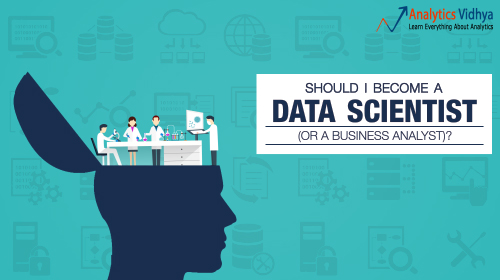
Imagine standing at a career crossroads, where the paths of business analysis and data science intersect. You‘re not just choosing a job; you‘re selecting a transformative professional journey that will reshape how you understand and interact with the world of information.
The Evolving Landscape of Data Careers
The world of technology moves at an unprecedented pace. What seemed cutting-edge five years ago now feels like ancient history. In this dynamic environment, professionals like you are constantly seeking meaningful ways to leverage their skills, adapt to emerging technologies, and create tangible value.
Data science and business analysis represent more than just career paths—they‘re gateways to understanding complex organizational ecosystems, driving strategic decisions, and unlocking hidden insights that can transform businesses.
Understanding the Essence of Business Analysis and Data Science
Business Analysis: The Strategic Interpreter
Business analysis isn‘t just about crunching numbers; it‘s about telling compelling stories through data. As a business analyst, you become a critical translator between technical teams and organizational leadership. Your role involves deciphering complex business challenges, mapping intricate processes, and presenting actionable recommendations.
Consider Maria, a business analyst at a mid-sized financial technology company. Her daily work involves understanding customer behavior patterns, identifying operational inefficiencies, and creating strategic reports that guide executive decision-making. She doesn‘t just present data; she crafts narratives that inspire organizational change.
Data Science: The Advanced Problem-Solving Realm
Data science represents a more technically sophisticated approach to organizational problem-solving. Here, professionals don‘t just analyze existing data—they predict future trends, develop sophisticated machine learning models, and create intelligent systems that can autonomously make complex decisions.
Take Alex, a data scientist working in healthcare technology. His work involves developing predictive models that can anticipate patient health risks, optimize treatment protocols, and potentially save lives. He‘s not just working with data; he‘s reshaping how entire industries approach complex challenges.
The Technological Ecosystem: Beyond Traditional Boundaries
Emerging Technologies Reshaping Careers
Artificial intelligence and machine learning are no longer futuristic concepts—they‘re present-day realities transforming every industry. The boundaries between business analysis and data science are becoming increasingly fluid, creating unprecedented opportunities for professionals willing to adapt and learn.
Cloud computing platforms like Amazon Web Services and Google Cloud have democratized access to powerful computational resources. Machine learning libraries such as TensorFlow and PyTorch have made advanced predictive modeling more accessible than ever before.
Your Personal Transition Framework
Skills Progression: A Holistic Approach
Transitioning from business analysis to data science isn‘t about abruptly changing careers—it‘s about strategic skill development and continuous learning. Think of it as expanding your professional toolkit, not replacing your existing expertise.
Technical Skill Development
- Deepen your programming knowledge, particularly in Python and R
- Develop a strong foundation in statistical analysis
- Understand machine learning algorithms
- Practice data visualization techniques
Soft Skill Enhancement
- Cultivate storytelling abilities
- Develop strong communication skills
- Build cross-functional collaboration capabilities
- Maintain intellectual curiosity
Economic Perspectives and Market Dynamics
Salary and Growth Potential
The economic landscape for data-driven professionals continues to evolve dramatically. According to recent industry reports, the median annual salary for data scientists now ranges between [~$100,000 – $150,000], significantly higher than traditional business analyst roles.
Global technology hubs like San Francisco, New York, and emerging markets in Asia are witnessing exponential growth in data-related positions. Companies are no longer viewing these roles as optional—they‘re becoming mission-critical for organizational success.
Psychological Aspects of Career Transformation
Navigating Personal and Professional Challenges
Career transitions are never purely technical—they‘re deeply personal journeys involving emotional resilience, self-discovery, and continuous adaptation. Many professionals experience moments of self-doubt, imposter syndrome, and uncertainty during their transition.
Successful career transformation requires more than technical skills. It demands:
- Emotional intelligence
- Growth mindset
- Willingness to embrace uncertainty
- Continuous learning orientation
Learning Resources and Strategic Development
Recommended Learning Pathways
While numerous educational resources exist, the most effective learning happens through a combination of structured education and practical application. Consider a multi-pronged approach:
-
Online Learning Platforms
- Coursera specializations
- edX professional certificates
- Udacity nanodegree programs
-
Practical Project Development
- GitHub repositories
- Kaggle competitions
- Open-source contributions
-
Professional Networking
- LinkedIn learning communities
- Local technology meetups
- Professional conferences
Future Outlook: Beyond Traditional Boundaries
Predictions and Emerging Trends
The future of data-driven careers is not about rigid job descriptions but fluid, adaptive skill sets. Professionals who can seamlessly integrate business understanding with advanced technical capabilities will be most valuable.
Emerging trends suggest increased integration of:
- Artificial intelligence
- Ethical data usage
- Cross-disciplinary collaboration
- Sustainable technology development
Your Personal Call to Action
Your journey from business analyst to data scientist is uniquely yours. It‘s not about following a predetermined path but creating a personalized roadmap that aligns with your passions, strengths, and professional aspirations.
Embrace continuous learning, remain curious, and view each challenge as an opportunity for growth. The most successful professionals are those who see career transitions not as destinations but as ongoing, exciting explorations.
Remember, your greatest asset is not just your technical skills, but your ability to adapt, learn, and transform.