OLTP vs OLAP: A Journey Through the Landscape of Data Processing
Prelude: The Data Symphony
Imagine standing at the crossroads of technological innovation, where every byte of information tells a story. As a seasoned data engineer and artificial intelligence expert, I‘ve witnessed the remarkable transformation of how organizations process and understand their data.
The world of data processing is not just about numbers and algorithms – it‘s a complex, living ecosystem that breathes life into organizational intelligence. At the heart of this ecosystem lie two fundamental paradigms: Online Transaction Processing (OLTP) and Online Analytical Processing (OLAP).
The Genesis of Data Processing
Our journey begins in the late 1960s, when computing was in its infancy. Databases were rudimentary, and the concept of efficiently managing transactional data seemed like a distant dream. Pioneers like Edgar F. Codd, who introduced the relational database model in 1970, laid the groundwork for what would become a revolutionary approach to data management.
Understanding OLTP: The Heartbeat of Real-Time Operations
The Transactional Landscape
OLTP represents the nervous system of modern digital infrastructure. It‘s where every click, every purchase, every interaction is captured and processed in real-time. Think of it as a high-speed railway system where data trains move with precision, carrying critical information across complex networks.
Architectural Complexity
Modern OLTP systems are not mere databases; they are sophisticated ecosystems designed to handle concurrent transactions with millisecond-level precision. These systems employ advanced techniques like:
-
Distributed Transaction Management
Imagine a global banking system where millions of transactions occur simultaneously. OLTP ensures that each transaction is processed atomically, maintaining data integrity across distributed networks. -
Concurrency Control Mechanisms
Picture multiple users attempting to book the last seat on a flight. OLTP‘s intricate locking and versioning strategies ensure that only one transaction succeeds, preventing data conflicts.
Real-World Performance Dynamics
An e-commerce platform during a flash sale provides a perfect illustration. As thousands of customers attempt to purchase limited-edition products, the OLTP system must:
- Validate inventory in real-time
- Process payments securely
- Update stock levels instantaneously
- Maintain transactional consistency
The complexity is staggering – yet modern OLTP systems handle such scenarios with remarkable efficiency.
OLAP: Transforming Data into Strategic Wisdom
Beyond Transactions: The Analytical Realm
While OLTP captures the moment, OLAP unveils the narrative hidden within data. It‘s like transforming raw photographs into a comprehensive documentary about organizational performance.
Multidimensional Data Exploration
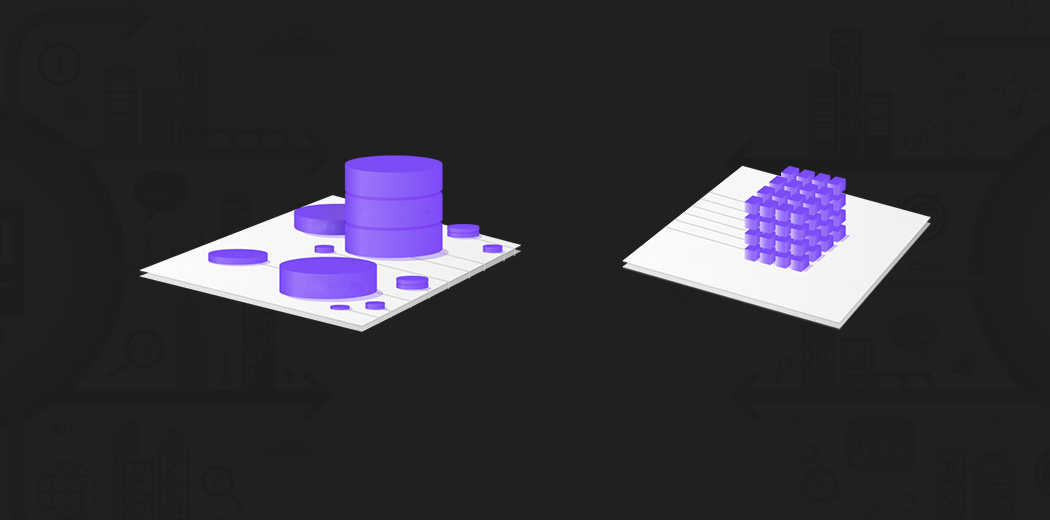
OLAP introduces a revolutionary approach to data analysis. Instead of viewing data linearly, it creates multidimensional cubes that allow unprecedented insights. Imagine examining sales data through multiple lenses simultaneously – by region, time, product category, and customer demographics.
Technological Sophistication
Modern OLAP systems leverage advanced technologies:
- Columnar storage architectures
- In-memory processing
- Machine learning-driven query optimization
The Convergence: Hybrid Processing Paradigms
Breaking Traditional Boundaries
The future of data processing lies not in rigid separation but in intelligent integration. Hybrid Transactional/Analytical Processing (HTAP) represents this evolutionary step.
Emerging technologies are blurring the lines between transactional and analytical systems. Imagine a database that can provide real-time insights while simultaneously processing high-volume transactions – this is no longer science fiction but an emerging reality.
Machine Learning: The Next Frontier
Intelligent Data Processing
Artificial intelligence is revolutionizing how we approach OLTP and OLAP systems. Machine learning algorithms can now:
- Predict query performance
- Automatically optimize database schemas
- Detect anomalies in transactional patterns
- Generate predictive insights from complex datasets
Practical Implementation Strategies
Navigating Technological Choices
Selecting the right data processing approach requires a nuanced understanding of organizational needs. It‘s not about choosing between OLTP and OLAP, but designing an integrated ecosystem that serves strategic objectives.
The Human Element in Data Processing
Beyond Technology: Storytelling through Data
Every database tells a story. OLTP captures individual moments, while OLAP weaves these moments into comprehensive narratives that drive strategic decision-making.
Conclusion: Embracing Technological Evolution
The journey of data processing is far from complete. As technologies like quantum computing and edge computing emerge, our understanding of OLTP and OLAP will continue to evolve.
Key Reflections
- Data processing is a dynamic, living ecosystem
- Technology serves human intelligence
- Continuous learning and adaptation are paramount
Epilogue: The Ongoing Quest
As we stand on the precipice of technological transformation, one thing remains certain: the way we process, understand, and leverage data will continue to reshape our world in ways we can barely imagine.