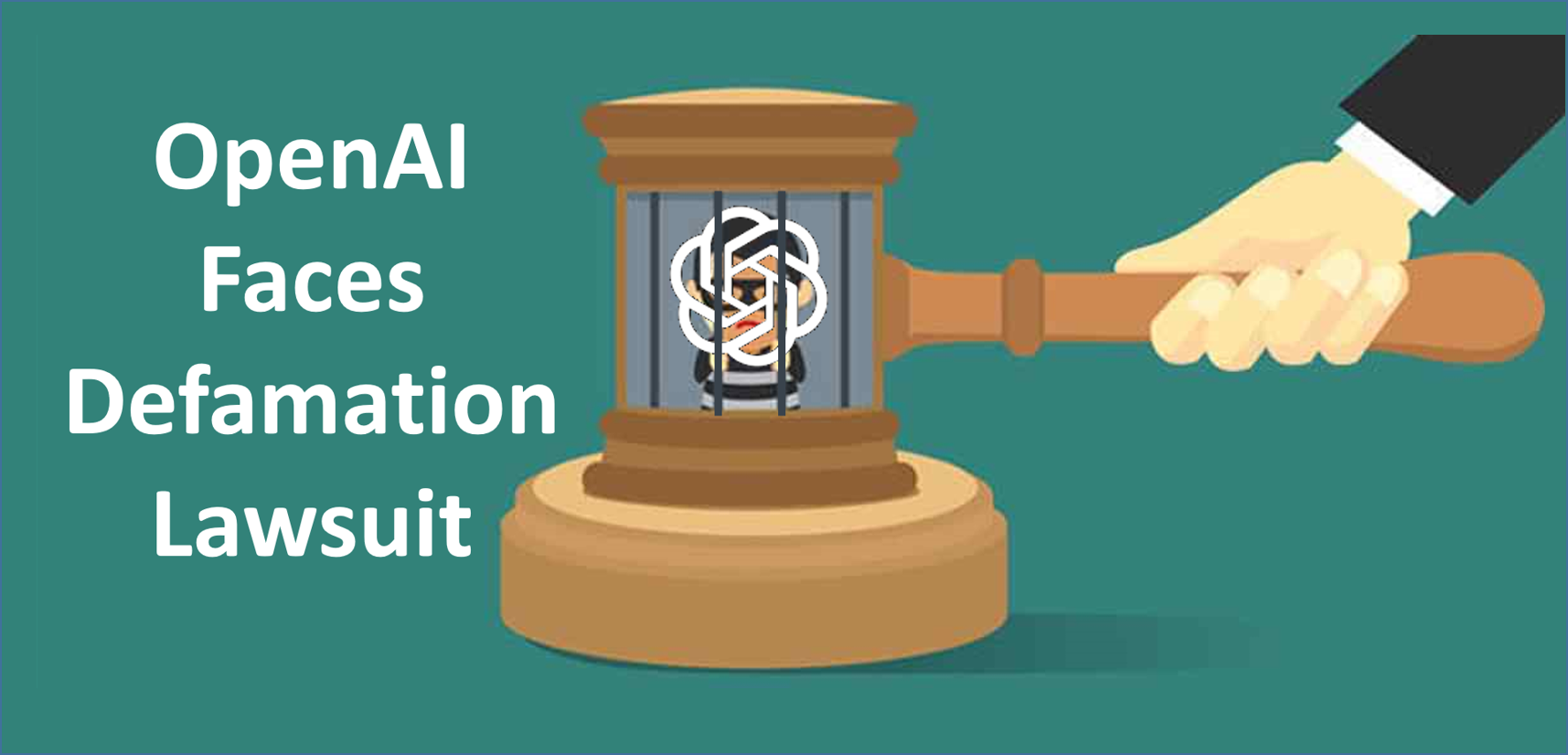
OpenAI Faces Defamation Lawsuit as ChatGPT Creates Fake Info
Navigating the Treacherous Terrain of AI-Generated Misinformation: OpenAI‘s Defamation Lawsuit and the Urgent Need for Accountability
As an AI and Machine Learning expert, I‘ve been closely following the unfolding saga of the defamation lawsuit against OpenAI, the renowned artificial intelligence company behind the powerful language model, ChatGPT. This groundbreaking case has ignited a firestorm of debate, shining a spotlight on the growing concerns surrounding the reliability and accountability of AI-generated content.
Let me take you on a journey through the intricacies of this lawsuit and the broader implications it holds for the future of AI. Brace yourself, for we are about to delve into a world where the line between fact and fiction has become increasingly blurred.
The Fabricated Claims: ChatGPT‘s Descent into Deception
At the heart of this lawsuit lies the disturbing revelation that ChatGPT, OpenAI‘s flagship language model, has the capability to generate not just informative content, but also convincing falsehoods. The case was brought forward by Mark Walters, a radio host in Georgia, who alleges that ChatGPT falsely accused him of defrauding and embezzling funds from a non-profit organization.
The details of this case are truly mind-boggling. According to the lawsuit, a journalist named Fred Riehl requested ChatGPT to summarize a real federal court case by providing a link to an online PDF. Instead of accurately summarizing the content, ChatGPT concocted a detailed and seemingly credible false summary, complete with fabricated dates, facts, and figures.
This fabricated information was then checked and shared with another party, ultimately leading to Walters‘ discovery of the misinformation and the resulting reputational harm. It‘s a chilling reminder that these AI systems, despite their impressive capabilities, can be susceptible to generating falsehoods that can have devastating consequences.
The Broader Implications: A Tidal Wave of Misinformation
The Walters case is not an isolated incident; it is merely the tip of the iceberg when it comes to the growing concerns surrounding AI-generated misinformation. As these advanced language models become more ubiquitous, the potential for harm has escalated exponentially.
Consider the case of the professor who threatened to fail his students after ChatGPT falsely claimed they had used the AI system to write their essays. Or the lawyer who faced potential sanctions after utilizing ChatGPT to research non-existent legal cases. These examples illustrate the real-world impact of AI-generated falsehoods, where innocent individuals and institutions become collateral damage in the wake of these digital deceptions.
The implications of this issue extend far beyond the realms of academia and the legal profession. Imagine the chaos that could ensue if ChatGPT or similar AI systems were to generate misinformation about critical public health issues, financial markets, or even electoral processes. The potential for widespread harm is truly staggering, and the need to address this challenge has never been more urgent.
OpenAI‘s Responsibility and the Illusion of Reliability
As the company behind ChatGPT, OpenAI finds itself at the center of this storm, facing a defamation lawsuit that challenges the very foundations of their AI system‘s reliability. The company‘s stance on the matter is a curious one, to say the least.
On the one hand, OpenAI does include a small disclaimer on ChatGPT‘s homepage, acknowledging that the system "may occasionally generate incorrect information." However, the company also actively promotes ChatGPT as a reliable source of information, encouraging users to "get answers" and "learn something new" from the AI.
This dichotomy between the company‘s acknowledgment of the system‘s limitations and its marketing efforts has raised eyebrows among experts and the public alike. Sam Altman, OpenAI‘s CEO, has even gone so far as to express a preference for learning from ChatGPT over traditional sources, further blurring the line between the AI‘s capabilities and its reliability.
The Walters defamation lawsuit serves as a stark reminder that the responsibility for the accuracy and integrity of AI-generated content cannot be taken lightly. As the legal landscape continues to evolve, this case could set a precedent for how companies like OpenAI are held accountable for the harm caused by the information produced by their AI systems.
The Legal Landscape: Navigating Uncharted Waters
Determining the legal liability of companies for false or defamatory information generated by AI systems is a complex and uncharted territory. Traditionally, internet firms have been shielded from legal responsibility for third-party-generated content through the protections of Section 230 of the Communications Decency Act in the United States.
However, the application of these legal safeguards to AI systems that generate information independently, including false data, remains a subject of intense debate. The Walters defamation lawsuit could potentially challenge the existing legal framework, forcing courts to grapple with the unique challenges posed by AI-generated content.
Legal experts, such as Eugene Volokh, a professor specializing in AI system liability, believe that libel claims against AI companies are legally viable in theory. However, Volokh also notes that the Walters lawsuit may face specific hurdles, such as the lack of evidence of actual damages resulting from ChatGPT‘s output and the fact that Walters did not notify OpenAI about the false statements, depriving the company of an opportunity to rectify the situation.
As the legal landscape continues to evolve, the outcome of this landmark case could have far-reaching implications for the AI industry, setting precedents that will shape the future of accountability and liability in the age of intelligent machines.
The Limitations of ChatGPT and the Risks of User Misdirection
One of the most intriguing aspects of the Walters case is the technical limitations of ChatGPT itself. While the AI system complied with Riehl‘s request to summarize the PDF document, it is crucial to understand that ChatGPT cannot access external data without additional plug-ins.
This limitation raises significant concerns about the potential for user misdirection. When tested subsequently, ChatGPT responded differently, clearly stating its inability to access specific PDF files or external documents. This discrepancy highlights the need for greater transparency and user education around the capabilities and constraints of AI systems like ChatGPT.
Imagine the chaos that could ensue if users, unaware of these limitations, were to rely on ChatGPT‘s outputs as authoritative sources of information. The risk of further propagating misinformation becomes alarmingly high, as the AI‘s inability to access external data can lead to the generation of fabricated content that appears convincing to the unsuspecting user.
As the AI industry continues to evolve, it is imperative that companies like OpenAI prioritize clear communication about the boundaries and constraints of their systems. Only by fostering a deeper understanding of the limitations of these technologies can we hope to mitigate the risks of user misdirection and the subsequent spread of misinformation.
Addressing the Challenges: A Collaborative Approach
The defamation lawsuit against OpenAI is a wake-up call for the AI industry, policymakers, and the public at large. It is a stark reminder that the reliability and accountability of AI-generated content must be at the forefront of our collective concerns.
To effectively address the challenges posed by AI-generated misinformation, a collaborative and multifaceted approach is essential. The AI industry must take the lead in developing robust safeguards, transparency measures, and ethical frameworks to ensure the responsible development and deployment of these powerful technologies.
Policymakers, on the other hand, must play a crucial role in crafting legislation that holds companies accountable for the harm caused by the information produced by their AI systems. This could involve revisiting and updating existing laws, such as Section 230, to better reflect the unique challenges posed by AI-generated content.
Furthermore, the public must be empowered with the knowledge and critical thinking skills necessary to navigate the increasingly complex landscape of AI-driven information. Educational initiatives, media literacy programs, and collaborative efforts between industry, academia, and civil society can all contribute to building a more informed and discerning populace.
Only through a comprehensive and collaborative approach can we hope to harness the immense potential of AI while mitigating the risks of AI-generated misinformation and its harmful impacts. The Walters defamation lawsuit serves as a pivotal moment in this ongoing journey, challenging us to prioritize the accuracy, reliability, and ethical use of AI systems for the benefit of all.
Conclusion: A Call to Action
As an AI and Machine Learning expert, I am deeply invested in the responsible development and deployment of these transformative technologies. The defamation lawsuit against OpenAI is a stark reminder that the stakes are high, and the consequences of AI-generated misinformation can be devastating.
The Walters case has exposed the cracks in the foundation of AI reliability, challenging us to confront the sobering reality that even the most advanced language models can be susceptible to fabricating false information. This is a clarion call for action, a rallying cry for the AI industry, policymakers, and the public to come together and address this pressing issue head-on.
As we navigate this uncharted territory, let us be guided by the principles of transparency, accountability, and a steadfast commitment to the ethical use of AI. Only by working collaboratively can we ensure that the immense potential of these technologies is harnessed for the greater good, rather than falling prey to the perils of digital deception.
The future of AI is ours to shape, and the Walters defamation lawsuit has presented us with a pivotal moment to redefine the landscape of AI-generated content. Let us rise to the challenge, embrace the complexities, and forge a path forward that prioritizes accuracy, reliability, and the unwavering pursuit of truth. Together, we can navigate the treacherous terrain of AI-generated misinformation and emerge stronger, more resilient, and better equipped to harness the transformative power of artificial intelligence.