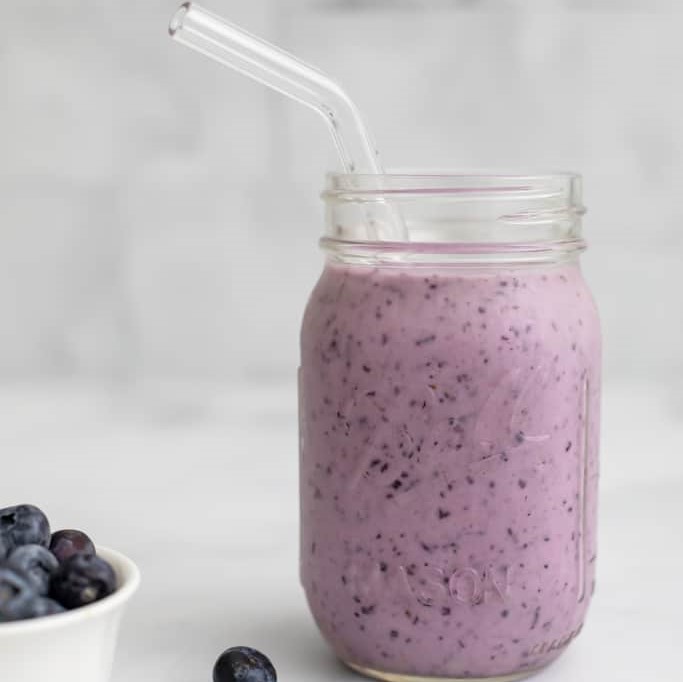
The Ultimate Guide to Plant Based Protein Shakes: Everything You Need to Know
Hey there, wellness warrior! If you‘ve been hanging around the health and fitness scene lately, you‘ve probably heard the buzz about plant based protein shakes. These nutrient-packed beverages are taking the world by storm, and for good reason.
As a certified nutrition nut and fitness fashionista, I‘ve been guzzling these green goodnesses for years now, and let me tell you – they‘ve been a total game changer for my active lifestyle. I‘m so excited to spill the beans (pun intended) on everything you need to know about these plant powered potions!
What Are Plant Based Protein Shakes, Anyway?
In a nutshell, plant based protein shakes are convenient, drinkable supplements made from protein-rich plants instead of animal sources like dairy or eggs. They can come ready-made in bottles or as powders that you mix with water or your favorite nut milk.
Some common protein sources you‘ll find in these shakes include:
- Peas
- Hemp seeds
- Brown rice
- Soy beans
- Pumpkin seeds
- Sunflower seeds
- Sacha inchi seeds
- Chia seeds
- Flax seeds
- Quinoa
- Spirulina
- Chlorella
These mighty plants are loaded with essential amino acids, the building blocks of protein that your body needs to build and repair tissues, make enzymes and hormones, and keep your immune system in fighting shape.
Why the Heck Is Everyone Obsessed with Plant Protein?
The plant based movement is sprouting up everywhere, and protein shakes are the latest craze. But this is way more than just a fad, friend. The science-backed benefits of plant protein are legit. Here are a few reasons to jump on the bandwagon:
1. Plant protein is better for your bod
Repeat after me: Plants. Promote. Longevity. A 2020 review in the Journal of the American Heart Association found that eating more plant protein is linked to lower risks of cardiovascular disease, high blood pressure, and type 2 diabetes.
Animal proteins? Not so much. Red and processed meats in particular are associated with higher risks of heart disease, certain cancers, and early death. Yikes.
Plants for the win!
2. They‘re easier on your digestive system
If dairy and tummy troubles go hand in hand for you, you‘re not alone. Lactose intolerance affects a whopping 68% of the global population. Even if you‘re not fully intolerant, many people have a hard time digesting the proteins in milk products.
Plant proteins like pea and hemp are generally much gentler on the gut. Plus, they naturally contain fiber, which helps keep things moving smoothly (if you know what I mean).
3. They‘re more sustainable for the planet
Raising animals for food is a leading driver of deforestation, water pollution, and greenhouse gas emissions. In fact, the UN says we need a "substantial worldwide diet change" away from animal products to avoid environmental disaster. Oof.
Swapping even one meaty meal a day for a plant based protein shake can make a huge difference. It‘s an easy, delicious way to use your food choices for good!
4. They‘re SO convenient
As a busy boss babe always hustling between meetings, workouts, and social stuff, I know firsthand how hard it can be to get enough protein on the go. That‘s where my trusty plant based shakes come in clutch.
I just throw one in my gym bag, office drawer, or purse and I‘m good to go. No fridge or microwave needed. They take the fuss out of fueling up right.
How to Pick the Best Plant Based Protein Powder
Not all protein powders are created equal, sis. And with zillions of options out there, shopping for one can be worse than hunting for a public restroom in Times Square. I‘ve kissed my share of subpar supplement frogs, so I‘m here to help you pick a prince.
Here‘s what to look for in a quality plant based protein powder:
Complete protein profile
Listen up, because this is important. A "complete protein" contains all 9 essential amino acids that your body can‘t make on its own. Not all single plant proteins make the cut.
Your best bets for complete plant protein are:
- Soy protein isolate
- Pea protein isolate
- Quinoa
- Hemp seeds
- Chia seeds
- Pumpkin seed protein
If a product has a blend of different plant proteins, it‘s likely hitting all the amino acid bases. Brands like Garden of Life and Vega are great at this.
Clean, minimal ingredients
When you‘re scanning that label, make sure the ingredients are mostly real, whole foods you recognize. A solid plant based protein powder should have a short ingredients list free from:
- Artificial sweeteners like aspartame, sucralose and acesulfame potassium
- Synthetic food dyes (Red 40, Yellow 5, etc.)
- Tons of added sugars or sugar alcohols
- Cheap, processed fillers like maltodextrin
- Weird preservatives you can‘t pronounce
Stick to natural sweeteners like pure monk fruit extract and stevia, real food add-ins like vanilla bean or raw cacao, and simple extras like sea salt or guar gum.
Digestion-friendly features
Some plant proteins are easier to digest than others. Pea protein, brown rice protein, and seed proteins tend to go down smooth. If beans bother your belly, soy and legume proteins might not be your best buds.
For extra digestive support, look for products with added:
- Digestive enzymes like protease, amylase, and lipase
- Prebiotics like inulin or resistant starch
- Probiotics like Lactobacillus and Bifidobacterium strains
It‘s also a good sign if the protein is sprouted, which means it was soaked and allowed to germinate before processing. This can help deactivate plant compounds that inhibit digestion.
Third-party quality certifications
Don‘t just take the brand‘s word for it when they say a product is safe, clean, or responsibly sourced. Look for reliable third-party seals of approval such as:
- USDA Organic: At least 95% of ingredients are organic
- Non-GMO Project Verified: No genetically modified ingredients
- NSF Certified for Sport: Contents tested for athletic banned substances
- Informed Sport Certified: Tested for banned substances in sport
- Certified Vegan: Contains no animal products or byproducts
- Certified Gluten-Free: Contains less than 20 ppm of gluten
These little logos mean the product has met strict standards set by unbiased organizations. You love to see it.
My Top Plant Protein Powder Picks
Decisions, decisions. There are so many amazing plant protein powders on the market now, a girl could get analysis paralysis! But don‘t fret – I‘ve done the legwork and weeded out the subpar supplements for you.
Here are my holy grail plant based protein picks that check all the quality boxes:
Best Overall: KOS Organic Plant Based Protein Powder
KOS is bae. This super clean, organic protein blend features peas, flax seeds, quinoa, pumpkin seeds, and chia seeds for a complete amino acid profile. It uses real vanilla bean and monk fruit for flavor. I‘m obsessed with the chocolate chip cookie dough!
Best Budget-Friendly: ALOHA Organic Protein Powder
Don‘t let the cute packaging fool you – ALOHA packs a powerful plant protein punch at an easy price point. With organic pea, brown rice, hemp and pumpkin seed protein plus coconut sugar and pink sea salt, it‘s a simple, tasty option.
Best for Digestion: Sunwarrior Warrior Blend
If your tummy is touchy, Sunwarrior‘s Warrior Blend has your back. It combines fermented pea protein with goji berry and hemp seed proteins for easy digestion and assimilation. Added coconut MCTs also boost absorption. You‘ll barely notice it‘s there!
Best Eco-Friendly: Nuzest Clean Lean Protein
Nuzest is on a mission to make the cleanest, greenest protein on the planet. Their pea protein is grown sustainably in Northern France, processed using water at low temps, and packaged in 100% recycled plastic. Plus, it only has 1 ingredient: golden pea protein isolate. Tres chic!
Best Allergen-Friendly: OWYN Plant Based Protein Powder
Food allergies? OWYN has your back. Free of the top 8 food allergens like dairy, soy, gluten, eggs, and peanuts, this powder features a complete protein blend of pea, pumpkin, and chia in tasty flavors like vanilla and chocolate. Snickerdoodle smoothie, anyone?
Beyond the Shake: Cool Ways to Use Plant Protein Powder
Shakes aren‘t your only option, girlfriend. One of the magical things about plant protein powders is how dang versatile they are. You can use them in waffles. Pancakes. Cookies. Brownies. Pudding. Literally any baked good. The possibilities are endless!
Here are some fun ways to think outside the shaker bottle:
- Stir a scoop into your morning oatmeal or overnight oats
- Replace 1/3 of flour in muffins, breads, and cakes with protein powder
- Add a scoop to homemade granola bars or energy balls
- Mix into chia pudding or yogurt parfaits
- Blend into smoothie bowls as a thickener
- Use as a flour in pie crusts (trust me)
- Make protein pancakes or waffles (just add egg + baking powder)
- Stir into soups or sauces as a thickener/protein booster
- Make healthy edible cookie dough with nut butter + maple syrup
Don‘t be afraid to play mad scientist in the kitchen and experiment. You can almost always swap a bit of flour for protein powder in dessert recipes. Worst case? You‘ll have to eat the evidence.
Go Forth and Conquer with Plant Power
Phew, you still with me? I know I just threw a lot of info at you, but I‘m just so pumped about the power of plants I could talk all day!
The bottom line is this: Plant based protein shakes are one of the most convenient, delicious tools you can add to your healthy lifestyle toolkit. They make it easy to fuel your bod, crush your wellness goals, and do your part for the planet all at once.
But remember – not all protein powders are created equal. Do your research, read those labels, and don‘t fall for shady marketing claims. Stick to clean, quality ingredients and trusted brands.
Ready to get your shake on? I challenge you to swap your usual post-workout snack or breakfast for a plant based protein smoothie every day for 2 weeks. Feel the difference in your energy, digestion, and all-around vibes. I pinky promise you won‘t regret it.
If you need some smoothie-spiration, try one of these protein-packed blends:
Mint Chocolate Chip Smoothie
- 1 scoop chocolate plant protein powder
- 1 frozen banana
- 1 cup baby spinach
- 1 tbsp cacao nibs
- 1 cup almond milk
- 1/4 tsp peppermint extract
Blueberry Muffin Smoothie
- 1 scoop vanilla plant protein
- 1/2 cup frozen blueberries
- 1/2 cup frozen cauliflower (trust me)
- 1 tbsp almond butter
- 1 tbsp ground flax seed
- 1 cup oat milk
- Dash of cinnamon
Tell me how you‘re shaking things up with your new plant protein bestie! Leave a comment with your fave brand, recipe, or smoothie combo. Let‘s keep this plant party poppin‘.
Peace, love, and pea protein,
Your Resident Smoothie Queen