Probiotics 101: The Best Strains, Benefits, and Products for Women‘s Optimal Health
Hey girlfriend, let‘s have some real talk about probiotics. If you‘re like most women, you‘ve probably heard this buzzword thrown around a lot lately. Maybe you‘ve even seen probiotic supplements lining the shelves at your local drugstore or health food shop. But what exactly are probiotics, and why are they so important for us ladies?
In this ultimate guide, I‘m breaking down everything you need to know about probiotics for women. I‘ll explain how these magical microbes can help keep your gut, vagina, and urinary tract happy and healthy. Plus, I‘ll dish on the specific strains to look for, how to pick the best supplement, and even some delicious probiotic foods to add to your diet.
I‘m not just reporting the science here – I‘ve tried tons of probiotic products myself over the years. I‘ll share what‘s worked for me and my girlfriends so you can find your perfect probiotic match. By the end of this article, you‘ll be a total pro(biotic) ready to take control of your health from the inside out!
What Are Probiotics and Why Do Women Need Them?
First things first, let‘s define what the heck probiotics actually are. According to the Mayo Clinic, probiotics are "live microorganisms that are intended to have health benefits when consumed or applied to the body." Basically, they‘re good bacteria that help keep your gut microbiome balanced and your body functioning at its best.
While everyone can benefit from probiotics, they are especially important for women. Why? We ladies face some unique health challenges that probiotics can help with. For example:
-
Digestive issues like bloating, constipation, and irritable bowel syndrome (IBS) are more common in women. In fact, IBS affects about twice as many women as men.
-
Vaginal health problems like yeast infections and bacterial vaginosis can throw off the delicate balance of bacteria in your lady parts. Get this: 75% of women will get at least one yeast infection in their lifetime!
-
Urinary tract infections (UTIs) are another pesky problem for us gals, with about 50-60% of women experiencing a UTI at some point. Ouch!
-
Autoimmune disorders, which cause the body to mistakenly attack itself, are more prevalent in women. According to the American Autoimmune Related Diseases Association, about 75% of autoimmune disease sufferers are female.
The good news is that probiotics can help prevent and manage many of these common health issues for women. By promoting a healthy balance of bacteria in the gut and other key areas, probiotics help keep your digestive system, vagina, urinary tract, and immune system running smoothly.
The Top Probiotic Strains for Women‘s Health Concerns
Not all probiotics are created equal, especially when it comes to women‘s health. Certain strains have been scientifically studied for their benefits for the female body. Here are some of the top strains to look for in a women‘s probiotic supplement:
Lactobacillus Strains
Lactobacillus is like the queen bee of probiotic strains for women. These friendly bacteria live naturally in the gut, vagina, and urinary tract, so it makes sense that replenishing them can help keep things in balance. Some of the most researched Lactobacillus strains for women include:
-
Lactobacillus rhamnosus GR-1: This superhero strain has been shown to help prevent and manage urinary tract infections (UTIs) by stopping E. coli bacteria from sticking to the urinary tract. One study found that women who took GR-1 daily had a whopping 73% reduction in UTI recurrence compared to a placebo!
-
Lactobacillus reuteri RC-14: Often paired with GR-1, this strain is another UTI-fighter that helps restore the balance of good bacteria in the vagina. RC-14 has also been shown to help prevent bacterial vaginosis, a common vaginal infection that causes fishy odor and discharge.
-
Lactobacillus acidophilus: One of the most widely studied probiotic strains, L. acidophilus has been shown to help prevent and manage yeast infections, bacterial vaginosis, and UTIs. It also promotes healthy digestion and immune function.
-
Lactobacillus plantarum: This strain is a multitasker for women‘s health. Studies have found that L. plantarum can help reduce bloating and constipation, fight off vaginal infections, and even promote clearer skin by reducing inflammation.
Bifidobacterium Strains
Bifidobacterium is another key group of probiotic bacteria that lives mainly in the gut. These strains help keep your digestive system happy and support overall health. Some top Bifidobacterium strains for women include:
-
Bifidobacterium lactis: This strain has been shown to help improve digestion, boost immunity, and even promote weight loss. One study found that women who took B. lactis daily for 8 weeks had significant reductions in body fat and waist circumference compared to a placebo.
-
Bifidobacterium longum: A powerhouse for gut health, B. longum has been shown to help reduce inflammation, improve constipation, and boost immune function. It may also have mood-boosting effects, thanks to the gut-brain connection.
-
Bifidobacterium bifidum: This strain is a superstar for digestive health, helping to break down food, absorb nutrients, and keep things moving smoothly. B. bifidum has also been studied for its ability to reduce inflammation and allergies.
Other Notable Strains
While Lactobacillus and Bifidobacterium are the most well-known probiotic genera, a few other strains are worth mentioning for women‘s health:
-
Bacillus coagulans: This unique strain is actually a spore-forming bacteria that can survive the harsh trip through the acidic stomach to reach the gut. B. coagulans has been shown to help improve bloating, constipation, and diarrhea in IBS sufferers.
-
Saccharomyces boulardii: This friendly yeast strain has been studied for its ability to prevent and manage diarrhea, including traveler‘s diarrhea and antibiotic-associated diarrhea. S. boulardii also helps restore the gut lining and fight off harmful bacteria and yeast overgrowth.
-
Streptococcus thermophilus: Often found in yogurt and other fermented dairy products, S. thermophilus helps break down lactose, making it easier to digest. This strain also produces beneficial compounds that help support gut and immune health.
Now that you know some of the key probiotic strains to look for, let‘s talk about how to choose a quality supplement and incorporate probiotics into your daily life.
How to Pick the Best Probiotic Supplement for Your Needs
With so many probiotic products on the market, it can be tough to know which one is right for you. Here are my top tips for choosing a quality supplement:
Check the CFU Count
CFU stands for colony-forming unit, which is basically the number of live and active bacteria in each dose. You want a supplement with at least 10 billion CFU, but I personally prefer 25-50 billion for maximum benefits. Keep in mind that more isn‘t always better – your body can only absorb so much at once!
Look for Multiple Strains
While single-strain supplements can be helpful for targeting specific issues, a multi-strain probiotic offers more overall benefits. I recommend choosing a supplement with at least 10 different strains, including a mix of Lactobacillus, Bifidobacterium, and other beneficial bacteria.
Consider the Delivery Method
Probiotics come in many forms, including capsules, tablets, powders, liquids, and even gummies. Capsules are a popular choice because they protect the bacteria from stomach acid and release them in the gut where they‘re needed most. Powders and liquids can be mixed into smoothies or other drinks. And gummies are a tasty option for those who struggle with pills. Ultimately, the best delivery method is the one you‘ll actually take consistently!
Check the Storage Instructions
Some probiotic supplements need to be refrigerated to maintain potency, while others are shelf-stable. If you travel a lot or have limited fridge space, a shelf-stable option may be more convenient. Just be sure to store your probiotics in a cool, dry place away from direct sunlight.
Read the Ingredient List
In addition to the probiotic strains, pay attention to the other ingredients in your supplement. Avoid products with a lot of fillers, artificial sweeteners, or allergens that don‘t agree with your body. I personally prefer probiotics with minimal added ingredients and no gluten, dairy, or soy.
Look for Third-Party Testing
Reputable probiotic brands have their products independently tested for purity and potency. Look for seals or certifications from organizations like NSF International, Consumer Lab, or the US Pharmacopeia (USP). This ensures that what‘s on the label is actually in the bottle!
My Favorite Probiotic Supplements for Women
With all those criteria in mind, here are some of my favorite probiotic supplements that I‘ve personally tried and recommend to my girlfriends:
-
Garden of Life Raw Probiotics Women: This raw, whole food probiotic blend contains 85 billion CFU from 32 different strains, including L. reuteri and L. fermentum for vaginal health. It‘s also got prebiotics and digestive enzymes to support absorption. I love that it‘s made with organic, non-GMO ingredients and comes in a convenient shelf-stable capsule.
-
Renew Life Ultimate Flora Women‘s Care Probiotic 90 Billion: Formulated specifically for women‘s health, this potent probiotic packs 90 billion CFU from 12 different strains, including L. rhamnosus GR-1 and L. reuteri RC-14 for urinary tract and vaginal health. It‘s also got 7 Bifidobacterium strains to support digestive and immune health. I appreciate that it‘s dairy-free, gluten-free, and soy-free.
-
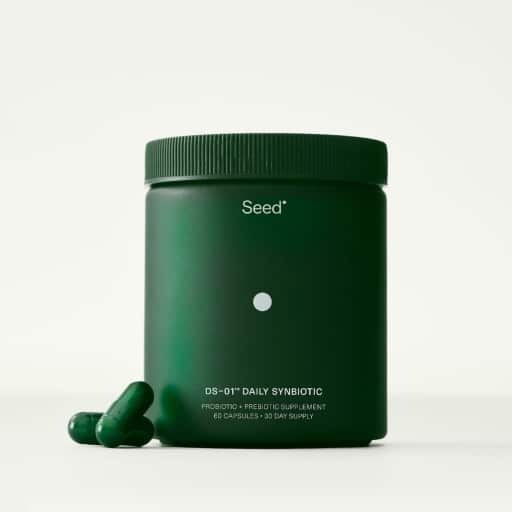
Seed Daily Synbiotic: This innovative 2-in-1 supplement combines 24 clinically-studied probiotic strains with a non-fermenting prebiotic compound from Indian pomegranate. The female formulation contains specific strains for vaginal health, skin health, and digestive support. I love that it uses a patented delivery technology to ensure the bacteria survive the journey to your gut. Plus, the sustainable packaging and subscription model make it super convenient.
Again, the best probiotic supplement is the one that works for your individual body and needs. Don‘t be afraid to experiment with different products until you find your perfect match!
Delicious Probiotic-Rich Foods to Add to Your Diet
In addition to taking a supplement, you can also get probiotics from fermented foods. These tasty foods are a great way to add more beneficial bacteria to your diet and promote overall health. Some of my favorite probiotic-rich foods include:
-
Yogurt: Look for brands that say "live and active cultures" on the label, which means they contain beneficial probiotics like L. acidophilus and Bifidobacterium. I love snacking on plain Greek yogurt with fresh berries or adding a dollop to my smoothies.
-
Kefir: This tangy, fermented milk drink is packed with probiotics and protein. It‘s also lower in lactose than regular milk, making it easier to digest for some people. I like sipping on plain kefir or adding it to my morning granola and fruit.
-
Sauerkraut: This classic German dish is made by fermenting cabbage with lactic acid bacteria. It‘s a great source of probiotics, fiber, and vitamin C. I love adding a spoonful of sauerkraut to my salads, sandwiches, or grain bowls for a tangy crunch.
-
Kimchi: Similar to sauerkraut, this spicy Korean side dish is made by fermenting vegetables like cabbage and radish with chili peppers and other seasonings. In addition to probiotics, kimchi is also rich in antioxidants and vitamin K. I like mixing it into fried rice, topping my avocado toast, or just eating it straight from the jar!
-
Miso: This fermented soybean paste is a staple in Japanese cuisine. It‘s rich in probiotics, protein, and beneficial enzymes. I love using miso to make a quick, comforting soup or adding a spoonful to my stir-fries and marinades.
-
Tempeh: Another fermented soy product, tempeh is a nutritious plant-based protein source that‘s also rich in probiotics. I like crumbling it into tacos, stir-fries, or salads for a meaty texture and nutty flavor.
Just keep in mind that not all fermented foods are created equal. Some products, like yogurt and kefir, can be high in added sugars which can actually feed harmful bacteria in your gut. Look for unsweetened or lightly sweetened versions with minimal ingredients. And when it comes to sauerkraut, kimchi, and other pickled veggies, choose refrigerated brands that say "raw" or "unpasteurized" to ensure you‘re getting live, active cultures.
The Bottom Line on Probiotics for Women
Whew, that was a lot of info! Let‘s recap the key takeaways:
-
Probiotics are beneficial bacteria that help keep your gut, vagina, urinary tract, and immune system healthy and balanced.
-
Women can especially benefit from probiotics for managing digestive issues, vaginal infections, UTIs, and other common health concerns.
-
Look for probiotic supplements with clinically-studied strains like Lactobacillus rhamnosus GR-1, Lactobacillus reuteri RC-14, Lactobacillus acidophilus, and Bifidobacterium lactis.
-
Choose a high-quality supplement with at least 10 billion CFU, multiple strains, and minimal added ingredients. Check for third-party testing to ensure purity and potency.
-
Incorporate probiotic-rich fermented foods like yogurt, kefir, sauerkraut, kimchi, miso, and tempeh into your diet for added health benefits.
-
Don‘t be afraid to experiment with different probiotic supplements and foods until you find what works best for your body and lifestyle.
At the end of the day, taking care of your gut health is one of the best things you can do for your overall well-being as a woman. By adding probiotics to your daily routine through supplements and fermented foods, you‘ll be giving your body the support it needs to thrive from the inside out.
I hope this guide has empowered you with the knowledge and tools to make informed decisions about your probiotic needs. Remember, you‘re the expert on your own body – trust your gut (literally!) and don‘t be afraid to make changes as needed.
Here‘s to happy, healthy gut flora and feeling like our best selves! If you have any questions or want to share your own probiotic experiences, drop me a comment below. I‘d love to hear from you!