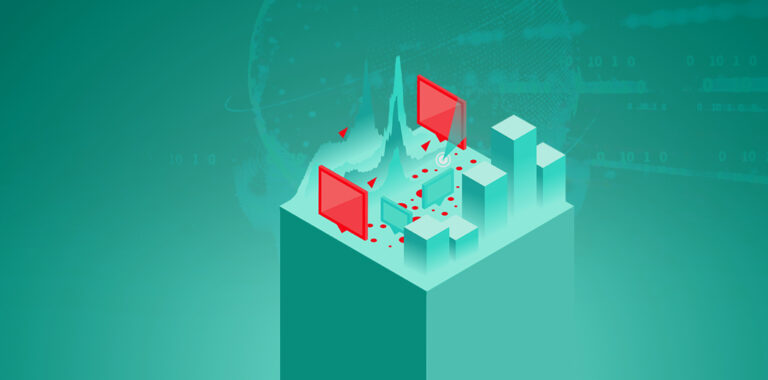
Revolutionizing HR: How AI and Machine Learning Are Redefining Workforce Management
Imagine walking into your workplace where technology understands your professional aspirations better than you do. Where recruitment isn‘t a tedious process but an intelligent, personalized journey. This isn‘t science fiction—it‘s the emerging reality of HR automation powered by artificial intelligence and machine learning.
The Human Touch in a Digital Era
As an HR technology expert who has witnessed countless digital transformations, I‘ve seen how machine learning isn‘t about replacing human connection but enhancing it. The traditional HR department, once buried in paperwork and manual processes, is now emerging as a strategic powerhouse of organizational intelligence.
The Technological Renaissance in Human Resources
The global HR technology market isn‘t just growing—it‘s experiencing a seismic shift. By 2028, experts predict the market will exceed $35 billion, with artificial intelligence serving as the primary catalyst. But what does this mean for you, the HR professional, the business leader, or the curious technologist?
Understanding AI‘s Role in HR Transformation
Machine learning algorithms are no longer abstract concepts confined to research labs. They‘re practical tools reshaping how organizations attract, develop, and retain talent. These intelligent systems analyze vast datasets, uncovering insights that human perception might miss.
Consider recruitment—traditionally a time-consuming, subjective process. Modern AI-driven platforms can:
- Evaluate candidate profiles with unprecedented accuracy
- Predict job performance potential
- Minimize unconscious hiring biases
- Match candidates not just to job descriptions, but to organizational culture
The Psychological Landscape of HR Automation
Technology isn‘t just about efficiency; it‘s about understanding human potential. Machine learning models now decode complex workforce dynamics, offering insights into employee motivation, engagement, and career trajectories.
Emotional Intelligence Meets Artificial Intelligence
Contrary to popular belief, AI doesn‘t diminish human emotion—it amplifies our understanding of it. Advanced sentiment analysis tools can:
- Detect subtle shifts in employee morale
- Predict potential burnout risks
- Recommend personalized professional development paths
- Create more empathetic workplace environments
Ethical Considerations in AI-Driven HR
With great technological power comes significant ethical responsibility. As we integrate machine learning into HR processes, we must address critical concerns:
Transparency and Fairness
AI algorithms are only as unbiased as their training data. Responsible organizations are investing in:
- Diverse dataset curation
- Regular algorithmic audits
- Explainable AI frameworks
- Continuous bias detection mechanisms
Real-World Implementation Strategies
Successful HR automation isn‘t about wholesale technological replacement but strategic integration. Organizations leading this transformation follow a nuanced approach:
The Human-AI Collaboration Model
- Skill Augmentation: Train HR professionals to work alongside AI technologies
- Incremental Adoption: Implement AI solutions in phases
- Continuous Learning: Regularly update technological capabilities
- Maintain Human Judgment: Use AI as a supportive tool, not a definitive decision-maker
Emerging Technological Frontiers
The future of HR technology extends beyond current capabilities. Emerging trends suggest fascinating developments:
Blockchain-Enabled Credential Verification
Imagine a world where professional credentials are instantly, securely verifiable across global platforms. Blockchain technology combined with AI will revolutionize talent mobility and professional authentication.
Hyper-Personalized Employee Experiences
Machine learning will enable unprecedented personalization in:
- Career development planning
- Compensation strategies
- Professional growth recommendations
Navigating Technological Challenges
While the potential is immense, organizations must approach HR automation thoughtfully. Common challenges include:
- Data privacy concerns
- Algorithm transparency
- Workforce adaptation
- Technological investment costs
The Human-Centered AI Philosophy
At its core, HR automation isn‘t about replacing human connection but enriching it. The most successful implementations view technology as an empowerment tool, not a replacement mechanism.
Preparing for the AI-Driven HR Future
For HR professionals, the message is clear: adaptability is key. The most successful practitioners will be those who:
- Develop technological literacy
- Embrace continuous learning
- Maintain emotional intelligence
- Think strategically about workforce dynamics
A Personal Invitation to Transformation
This isn‘t just a technological shift—it‘s a professional renaissance. By understanding and strategically implementing AI and machine learning, you‘re not just adopting new tools. You‘re reimagining the very essence of workforce management.
Conclusion: The Human Potential Amplified
HR automation represents more than technological advancement. It‘s a profound reimagining of how organizations understand, support, and develop human potential.
The future belongs to those who can seamlessly blend technological intelligence with human creativity, empathy, and strategic thinking.
Are you ready to be part of this transformative journey?