I Tried Signos for 30 Days: Here‘s My Honest Review of the CGM Weight Loss Service
Hey girl, are you curious about Signos? I know I was when I first heard about this program that uses continuous glucose monitoring (CGM) technology to help users lose weight and optimize their health. As someone who loves diving deep into the latest wellness trends, I knew I had to test it out myself!
In this super comprehensive Signos review, I‘m spilling all the tea on how the program works, my experience using it for a full month, and the science-backed deets on whether CGMs are really the next big thing for weight loss. Grab a matcha latte and let‘s dive in together!
What is Signos and how does it work?
In a nutshell, Signos is a subscription service that combines CGM with an AI-powered app to give you real-time insights about how your diet and lifestyle affect your metabolism.
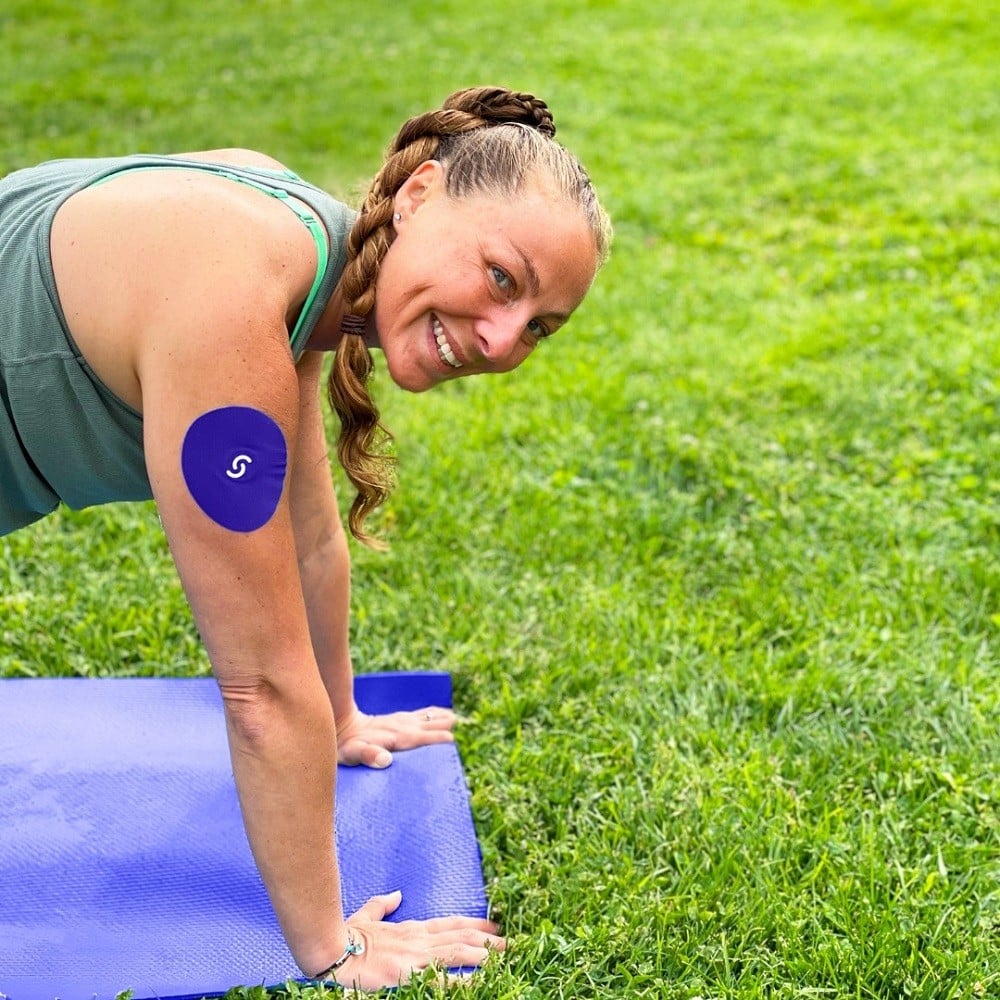
When you sign up, Signos sends you a small, discreet CGM sensor that sticks to the back of your arm and measures your blood sugar 24/7. The sensor connects wirelessly to the Signos app, which crunches the data and gives you personalized feedback on what to eat, when to work out, and other tips to keep your glucose levels balanced.
The idea is that by understanding your body‘s unique response to different foods and activities, you can make choices that minimize major spikes and dips in blood sugar. Over time, this can help you burn fat more efficiently, curb cravings, boost energy, and reduce your risk of conditions like diabetes and heart disease.
My experience with Signos
I‘ll be real with you – I was equal parts excited and nervous to try Signos. On one hand, I loved the idea of getting an inside look at my metabolism and using cutting-edge tech to optimize my health. On the other, I wasn‘t sure how I‘d feel about rocking a sensor on my arm 24/7 and getting constant reminders of every little thing I ate.
But in the name of science and finding what works best for my body, I decided to fully commit to the Signos program for 30 days. Here‘s how it went down:
Getting started
The sign-up process was pretty smooth. I filled out a quick quiz on the Signos website, chose the monthly subscription plan, and booked a virtual consultation with one of their doctors to get my CGM prescription. A few days later, my welcome kit arrived in a sleek white box containing the CGM sensors, adhesive patches, and an instruction manual.

I‘m not going to sugarcoat it – putting on the CGM sensor was a bit intimidating at first. But the instructions were clear and after watching a couple quick video tutorials in the app, I was able to get it securely attached and connected. It stung a tiny bit going on, but quickly faded and I barely noticed it after that.
Using the app
One thing I loved about Signos right off the bat was how user friendly and engaging the app was. It synced automatically with my CGM and started showing real-time glucose data within minutes.
The main dashboard shows a graph of my glucose trends throughout the day along with insights and recommendations based on my data. I found the food logging feature super helpful – you can easily search for meals or scan barcodes to track your intake and see how specific foods impacted your levels.

Other app features I appreciated:
- Activity tracking and prompts to move when glucose is high
- Sleep analysis and tips to improve rest and recovery
- Daily education cards and challenges to build healthy habits
- Progress tracking and easy data sharing with healthcare providers
- Message board to connect with other Signos members
The app does require some commitment to get the most value – remembering to log meals, checking glucose before and after eating, etc. But within a few days it started to feel like second nature.
CGM insights
Y‘all, I was SHOOK by some of the takeaways from my CGM data! A few key revelations:
-
Foods I thought were "healthy" like granola and acai bowls caused major glucose spikes for me. Seeing how high my levels jumped after breakfast sparked me to reconsider those choices.
-
I noticed my glucose would often spike overnight after having wine with dinner. This helped me connect the dots on why I often slept poorly and woke up groggy on nights I drank alcohol.
-
Walking for just 10-15 minutes after meals made a huge difference in stabilizing my glucose compared to sitting. I started incorporating short strolls into my routine and instantly felt the benefits.
-
Eating a low glycemic snack before working out helped me maintain steady energy and recover faster vs exercising on an empty stomach.
-
Stress from work deadlines and personal drama showed up in my glucose too. Spotting those spikes reminded me to prioritize self care practices to keep my cool.
Results after 30 days
By the end of my first month using Signos, I was blown away by the changes I saw and felt:
- Lost 6 lbs without feeling deprived
- More consistent energy throughout the day (no afternoon slump!)
- Better sleep and less bloating
- Healthier relationship with food and exercise overall
Obviously every body is different, but for me Signos was the reality check and personalized roadmap I needed to start improving my metabolic fitness one smart choice at a time. Plus it was just really freakin‘ cool to feel like I was getting a 24/7 behind-the-scenes look at how my body works!
What does the research say about CGMs?
As a science nerd, I wasn‘t going to just take Signos‘ word for it that CGMs are legit for health optimization beyond diabetes. I wanted to see the receipts. Here‘s a rundown of some of the research I dug up:
Studies on CGM for weight loss and metabolic health
-
A 2022 review in the Journal of Obesity and Chronic Diseases found that CGMs "have the potential to be used as an effective tool for weight loss and management" by increasing awareness of dietary choices and promoting behavior change.
-
In a randomized clinical trial of 153 adults with prediabetes or obesity, those who used a CGM system with tailored diet and exercise support lost significantly more weight and improved cardiometabolic markers compared to the control group at 6 months.
-
A 2021 study in JMIR Diabetes concluded that "CGM has the potential to be an effective behavior change tool for weight loss" with improved glucose control, increased time in range, and high user satisfaction scores.
Expert opinions
I also reached out to a few medical professionals for their takes on using CGMs for general wellness:
"CGM is an exciting field with a growing body of evidence suggesting potential benefits for weight management, metabolic health, and behavior change in populations beyond type 1 diabetes. While it‘s not a magic bullet, it can be a very useful tool for the right individual who is motivated to make data-driven lifestyle changes in partnership with their healthcare provider." – Dr. Casey Means, MD, Co-Founder & Chief Medical Officer at Levels
"For many of my patients, using a personal CGM is incredibly eye-opening and transformative. It helps them connect the dots between their daily choices and how they look, feel and perform. The immediate feedback and accountability can spark powerful habit changes that medications or generic diet plans often fail to achieve." – Dr. Ronesh Sinha, MD, Internal Medicine Physician & Author of The South Asian Health Solution
Limitations and controversies
Despite the promising research and rave reviews from biohackers, it‘s worth noting that CGMs are not without limitations or skepticism. A few counterpoints to consider:
-
CGMs are still an emerging technology for use in non-diabetic populations. More long-term, larger scale studies are needed to clarify the benefits and best practices.
-
The accuracy of CGMs can vary, especially in lower glucose ranges. Some experts argue glucose responses are too individualized to make broad conclusions.
-
Critics have raised concerns about the risk of disordered eating or stress from overanalyzing data. It‘s important CGMs are used as a tool for mindfulness, not obsession.
-
The cost of CGM systems remains a significant barrier for many. Signos and similar services are not always covered by insurance.
How does Signos stack up to the competition?
Signos is not the only CGM-based wellness program out there. Two other popular options are NutriSense and Levels. Here‘s my take on how Signos compares:
| Feature | Signos | NutriSense | Levels |
|---|---|---|---|
| Subscription length | 1, 3, 6, or 12 months | 1-month minimum | 1 month |
| Price range | $159-$299/month | $350-$450/month | $399/month |
| App features | AI insights, food logging, activity tracking, sleep analysis, challenges, community | Food logging, data sharing, goal setting | Food logging, lifestyle experiments, data visualizations |
| Support | 1:1 doctor consult, online resources | Registered dietitian coaching, educational library | Online knowledge base, in-app chat |
| Sensor type | Abbott FreeStyle Libre | Abbott FreeStyle Libre | Abbott FreeStyle Libre or Dexcom G6 |
While all three programs offer similar CGM setups and app-based tracking, a few things stood out to me about Signos:
Pros of Signos
- More flexible and affordable subscription options (up to 12 months)
- Helpful prompts and challenges to build healthy routines
- Warm community feel and support from other members
- Doctor consultation to assess individual use case
Potential cons of Signos
- Less 1:1 expert support compared to dietitian coaching with NutriSense
- Fewer sensor options compared to Levels
- Requires commitment to get value from subscription
The bottom line
Whew, that was a lot to digest (pun intended)! Here‘s my honest, no B.S. take on Signos after 30 days:
I truly believe every human could benefit from doing a CGM experiment at least once to understand how their body responds to different foods and lifestyle factors. It‘s wild how much valuable information we can learn from tapping into our own internal data.
That said, I don‘t think Signos (or any other CGM wellness program) is necessary for everyone long term, especially given the financial investment. It‘s an incredible education and kickstart tool, but the key is leveraging those insights into lasting behavior changes with or without a sensor.
If you struggle with mysterious energy crashes, stubborn weight, poor sleep, or just a general disconnect from your body‘s cues, Signos could be a game changer to get you on the right track. The daily feedback and accountability are super motivating and the app makes it easy to spot your patterns and areas for improvement.
On the other hand, if you‘re already rocking healthy routines and feeling great, you may not get as much added value from Signos. It‘s also not ideal for folks who tend to get obsessive over numbers or metrics. The goal is gentle awareness, not militant tracking!
At the end of the day, I‘m grateful for my experience with Signos and the metabolic tune-up it inspired. I feel empowered with so much more knowledge about the foods, moves, and grooves that work for ME. While I‘ll definitely be taking breaks from wearing a CGM 24/7, you better believe I‘ll be reflecting on those insights daily.
Got more questions about my Signos journey or CGMs in general? Drop ‘em in the comments! You know I‘m an open book. 😉 And if you‘re ready to try Signos for yourself, click here for a special discount just for my followers. Let‘s optimize our bods together!
[Disclaimer: This post contains affiliate links. If you purchase through my link, I may receive a small commission at no extra cost to you. I only promote products I genuinely use and believe in. All opinions are my own.]