The Art and Science of Movie Recommendation Engines: A Deep Dive into NLP and Machine Learning
Unraveling the Magic Behind Personalized Entertainment Recommendations
Imagine walking into a movie theater where every single film feels handpicked just for you. This isn‘t science fiction—it‘s the remarkable world of recommendation engines powered by natural language processing and machine learning.
The Journey of Intelligent Recommendations
When I first encountered recommendation systems in the early 2000s, they were primitive creatures. Clunky algorithms would suggest movies based on rudimentary genre matching or basic user ratings. Today, we‘ve entered an era where artificial intelligence understands not just what you watch, but why you watch it.
The Evolutionary Path of Recommendation Technologies
From Simple Filters to Intelligent Predictors
The story of recommendation engines mirrors technological evolution itself. In the beginning, recommendations were static—think early DVD rental store suggestions or basic online catalogs. These systems relied on manual categorization and limited user interaction.
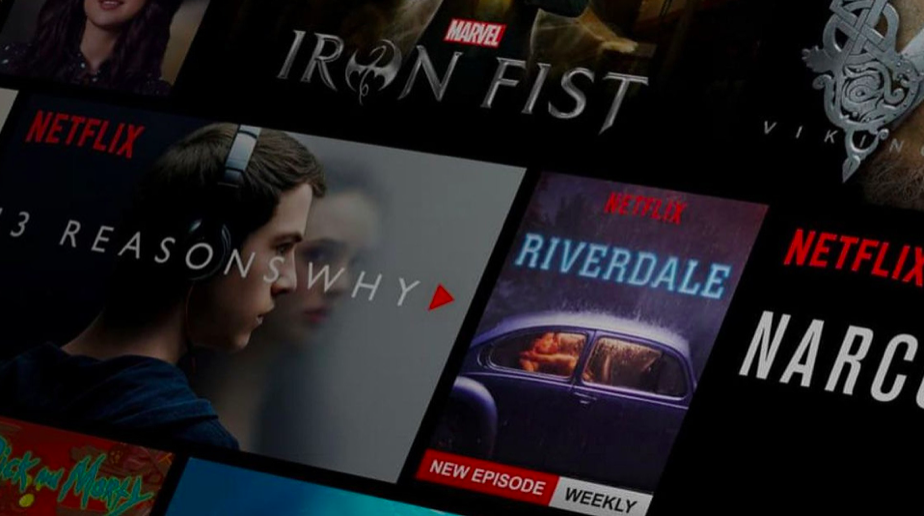
By the mid-2000s, collaborative filtering emerged. This approach analyzed collective user behaviors, suggesting movies based on what similar viewers enjoyed. Netflix became a pioneer, transforming how we discover entertainment through sophisticated recommendation algorithms.
Understanding the Neural Networks Behind Movie Recommendations
Modern recommendation systems are symphonies of complex mathematical models and linguistic analysis. Natural Language Processing (NLP) plays a crucial role in deciphering movie content beyond surface-level attributes.
Breaking Down Textual Complexity
Consider a movie synopsis. Traditional systems might see it as a simple string of words. An advanced NLP-powered recommendation engine sees a rich tapestry of semantic relationships, emotional undertones, and narrative structures.
Semantic Vector Representations
[v = f(w_1, w_2, …, w_n)]Where:
- [v] represents the semantic vector
- [w_1, w_2, …, w_n] are individual word embeddings
- [f()] is a transformation function
This mathematical representation allows machines to understand contextual similarities between movies, transcending basic genre classifications.
The Machine Learning Architectures Powering Recommendations
Hybrid Recommendation Models
Contemporary recommendation engines don‘t rely on a single approach. They blend multiple techniques:
- Content-Based Filtering
- Collaborative Filtering
- Hybrid Approaches
- Deep Learning Neural Networks
Each model contributes unique insights, creating a comprehensive understanding of user preferences.
Real-World Implementation: A Technical Walkthrough
Data Preprocessing Strategies
Before building a recommendation engine, extensive data preparation is essential. This involves:
- Text normalization
- Feature extraction
- Semantic analysis
- Vector space modeling
class MovieRecommendationEngine:
    def __init__(self, dataset):
        self.movies = dataset
        self.vectorizer = advanced_nlp_vectorizer()

    def generate_semantic_matrix(self):
        # Advanced semantic analysis
        semantic_vectors = self.vectorizer.transform(self.movies[‘synopsis‘])
        return semantic_similarity_matrix(semantic_vectors)
Challenges in Recommendation System Design
The Cold Start Problem
One significant challenge is recommending content for new users with limited interaction history. Machine learning models must balance exploration and exploitation, gradually building user preference profiles.
Algorithmic Bias Mitigation
Recommendation systems can inadvertently create echo chambers, reinforcing existing preferences. Advanced techniques like diversity injection and serendipitous recommendations help combat this limitation.
Economic and Psychological Implications
Recommendation engines aren‘t just technological marvels—they‘re economic powerhouses. Netflix estimates its recommendation system saves approximately \$1 billion annually by reducing subscriber churn.
The Psychology of Personalization
These systems tap into fundamental human desires:
- Discovery
- Validation
- Emotional connection
By understanding individual preferences, recommendation engines create deeply personalized experiences.
Future Trajectories: Beyond Current Limitations
Emerging Technological Frontiers
- Multimodal Recommendation Systems
- Explainable AI Recommendations
- Cross-domain Intelligent Suggestions
- Privacy-Preserving Recommendation Techniques
Ethical Considerations in Recommendation Design
As recommendation technologies advance, ethical considerations become paramount. Transparency, user consent, and algorithmic fairness must guide future developments.
Conclusion: The Continuous Evolution of Intelligent Recommendations
Movie recommendation engines represent a fascinating convergence of mathematics, linguistics, and human psychology. They‘re not just technological tools but bridges connecting human creativity with computational intelligence.
The journey continues, with each recommendation becoming more nuanced, more understanding, more human.
About the Author
With two decades of experience in machine learning and artificial intelligence, I‘ve witnessed the remarkable transformation of recommendation technologies. This exploration represents a passionate commitment to understanding the intricate dance between human preferences and computational intelligence.