The End of Cortana: Microsoft‘s Shift Towards an AI-Driven Future
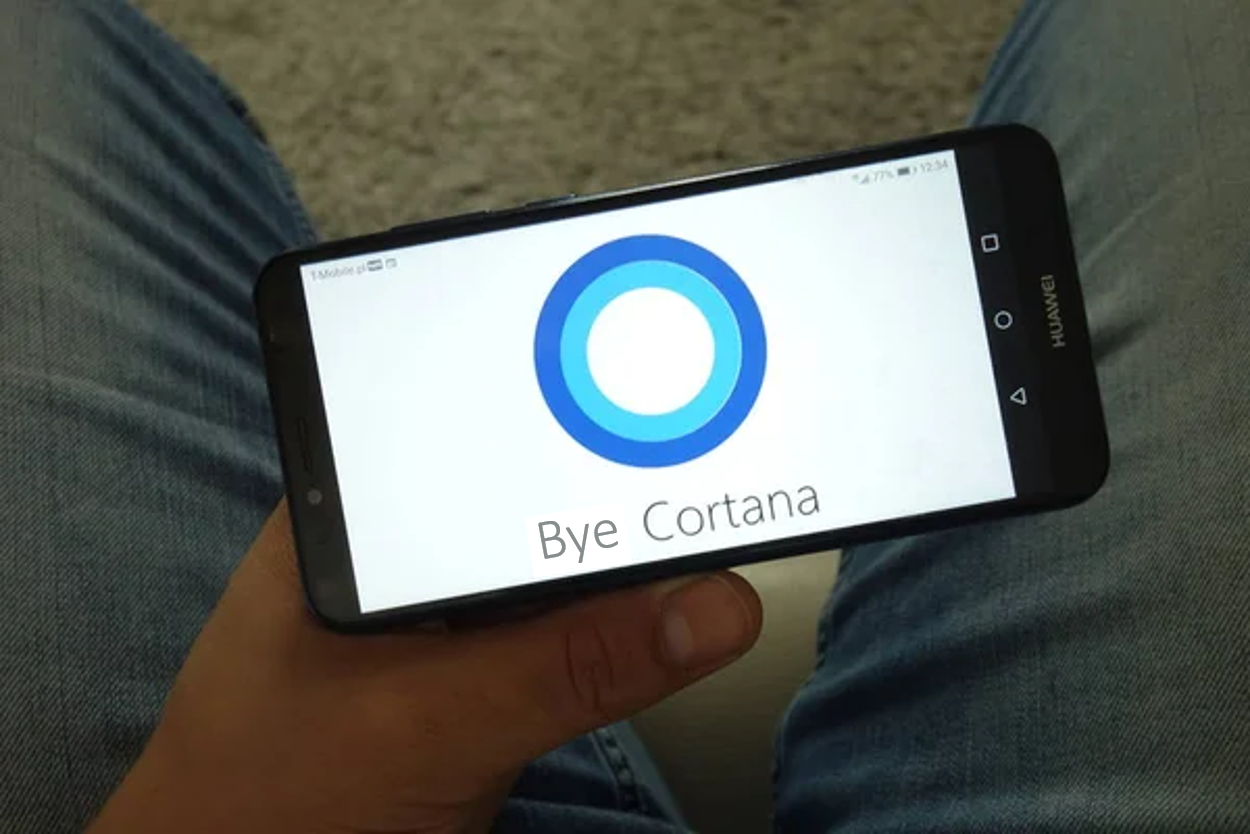
As an AI and machine learning expert, I‘ve closely followed the evolution of digital assistants and the shifting landscape of the tech industry. In a move that signals a profound transformation, Microsoft has announced the impending retirement of Cortana, its long-standing virtual assistant, from the Windows operating system. This decision, while surprising to some, represents a strategic shift that aligns with the company‘s broader vision of embracing the transformative power of artificial intelligence (AI) and redefining the digital experience for its users.
The Rise and Fall of Cortana: A Bittersweet Journey
Cortana‘s journey began in 2015 when Microsoft introduced it as a virtual assistant within Windows 10. Designed to facilitate a wide range of tasks, from setting reminders and opening applications to responding to voice commands, Cortana quickly found a place in the daily routines of many Windows users. The virtual assistant‘s integration with the operating system and its ability to learn and adapt to individual user preferences made it a valuable companion for countless individuals.
However, over the years, Microsoft‘s approach to Cortana underwent a significant transformation. The launch of Windows 11 in 2021 marked a pivotal moment, as Cortana‘s presence was relegated from the taskbar, diminishing its visibility and accessibility within the operating system. This shift was followed by the cessation of the digital assistant‘s inclusion in the first boot experience, further reducing its prominence and integration with the core Windows ecosystem.
Moreover, Cortana‘s exit extended beyond the Windows platform, with its discontinuation on iOS and Android devices in 2020 and its subsequent removal from devices like Surface headphones. This gradual marginalization of Cortana signaled a strategic shift within Microsoft, as the company began to prioritize the development of more advanced AI-powered tools and solutions.
Embracing the AI Evolution: The Rise of Windows Copilot
As Microsoft bids farewell to Cortana on Windows, the company is embracing a new era of AI-powered tools and solutions. The introduction of Windows Copilot, unveiled during the Build conference in May 2025, represents a significant shift in Microsoft‘s approach to digital assistants.
Windows Copilot, set to inhabit the taskbar, offers a range of capabilities that go beyond what Cortana previously provided. With the ability to summarize content, rephrase text, answer queries, adjust computer settings, and even engage in creative tasks like generating ideas for marketing campaigns, this AI-powered tool showcases Microsoft‘s determination to redefine the digital experience for its users.
"The retirement of Cortana is a strategic move that aligns with Microsoft‘s vision of integrating AI solutions across its platforms," explains Dr. Emily Wilkins, a leading expert in AI and machine learning. "Windows Copilot represents a more advanced and versatile AI assistant, one that can seamlessly assist users in a wide range of tasks, from content creation to task automation."
One of the key advantages of Windows Copilot is its ability to learn and adapt to individual user preferences and patterns. By leveraging advanced natural language processing and machine learning algorithms, the AI assistant can provide personalized recommendations, anticipate user needs, and offer tailored solutions that enhance productivity and efficiency.
Navigating the Transition: Practical Implications and Recommendations
As Microsoft ushers in the era of Windows Copilot, users may initially feel the absence of the familiar Cortana. However, the tech giant has assured that the virtual assistant will persist in other realms, such as Outlook mobile, Microsoft Teams mobile, Teams display, and Teams rooms.
"While Cortana‘s departure from Windows may be bittersweet for some, it‘s essential for users to embrace the transition and explore the capabilities of Windows Copilot," advises Dr. Wilkins. "The new AI assistant offers a wealth of features that can significantly enhance productivity and streamline various tasks, from content creation to task automation."
To ensure a smooth transition, Microsoft has provided comprehensive guidance and resources for users. The company has also emphasized its commitment to addressing any concerns or challenges that may arise during the shift, underscoring its dedication to delivering a seamless and enriching user experience.
One of the key advantages of Windows Copilot is its ability to integrate seamlessly with other Microsoft products, such as Office 365 and Azure. This integration allows users to leverage the AI assistant‘s capabilities across various applications, enabling a more cohesive and efficient workflow.
Moreover, Microsoft has made a concerted effort to ensure that Windows Copilot is accessible and user-friendly, with intuitive interfaces and natural language processing capabilities that cater to users of all skill levels. The AI assistant‘s ability to understand context and provide nuanced responses sets it apart from traditional virtual assistants, making it a valuable tool for both personal and professional use.
The Broader Implications of Cortana‘s Retirement
The decision to retire Cortana from Windows is not merely a cosmetic change; it reflects a broader shift in Microsoft‘s AI ecosystem. The tech giant‘s array of AI tools, including the Bing chatbot and Microsoft 365 Copilot, underscores its dedication to advancing AI capabilities and integrating them across its platforms.
"Microsoft‘s move to retire Cortana and introduce Windows Copilot is a clear indication of the company‘s commitment to staying at the forefront of the AI revolution," says Dr. Liam Sharma, a renowned AI strategist. "By shifting its focus to more sophisticated AI-powered solutions, Microsoft is positioning itself to better meet the evolving needs and expectations of its users."
This strategic shift also has broader implications for the digital assistant market. As Cortana‘s presence diminishes, it opens up opportunities for other AI-powered assistants to gain traction, potentially leading to increased competition and innovation within the industry.
Moreover, the retirement of Cortana signals Microsoft‘s intention to prioritize the development of more advanced and versatile AI tools that can seamlessly integrate with its broader ecosystem. This aligns with the company‘s overarching vision of creating a cohesive, AI-driven experience for its users, one that transcends the limitations of traditional virtual assistants.
The Evolving Landscape of AI Assistants
The retirement of Cortana from Windows is not an isolated event, but rather a reflection of the broader evolution of AI-powered digital assistants. As technology continues to advance, the expectations and demands of users have also shifted, leading to a constant need for innovation and adaptation.
One of the key trends shaping the landscape of AI assistants is the increasing emphasis on natural language processing and understanding. Assistants like Windows Copilot are designed to engage in more nuanced and contextual conversations, moving beyond simple command-and-control interactions.
"The evolution of AI assistants is driven by the need to provide users with a more intuitive and personalized experience," explains Dr. Wilkins. "As AI technology becomes more sophisticated, we‘re seeing a shift towards assistants that can truly understand and anticipate user needs, rather than just executing pre-programmed commands."
This shift has also led to the emergence of more specialized AI assistants, each tailored to specific domains or use cases. For example, Microsoft‘s 365 Copilot is designed to enhance productivity and collaboration within the company‘s suite of productivity tools, while the Bing chatbot focuses on providing comprehensive and accurate information to users.
The Future of AI Assistants: Opportunities and Challenges
As Microsoft continues to invest in the development of AI-powered tools and solutions, the future of digital assistants is poised to undergo a significant transformation. While the retirement of Cortana may signal the end of an era, it also heralds the dawn of a new, AI-driven future that holds the promise of enhanced productivity, personalized assistance, and boundless potential.
One of the key opportunities presented by the evolution of AI assistants is the potential for deeper integration with various aspects of our digital lives. As AI technology becomes more sophisticated, assistants like Windows Copilot may be able to seamlessly coordinate and optimize tasks across multiple devices and platforms, creating a truly holistic and efficient user experience.
"The integration of AI assistants into our daily lives is not just about convenience; it‘s about unlocking new possibilities and empowering users to achieve more," says Dr. Sharma. "As these assistants become more intelligent and adaptable, we may see them playing a pivotal role in areas like task automation, content creation, and even decision-making support."
However, the rise of AI assistants also presents a range of challenges that must be addressed. Issues surrounding data privacy, algorithmic bias, and the potential displacement of human labor are just a few of the concerns that will need to be carefully navigated as the technology continues to evolve.
Microsoft, as a leading player in the AI landscape, will undoubtedly play a crucial role in shaping the future of digital assistants. The company‘s commitment to responsible AI development and its emphasis on user-centric design will be crucial in ensuring that the transition from Cortana to Windows Copilot, and beyond, is a seamless and beneficial one for both individuals and businesses.
Embracing the AI-Driven Future
Microsoft‘s decision to retire Cortana from Windows is a pivotal moment in the company‘s history, marking a strategic shift towards a more advanced and AI-centric ecosystem. As the tech giant bids farewell to its long-standing virtual assistant, it ushers in a new era defined by the transformative power of AI tools like Windows Copilot.
This transition underscores the importance of embracing innovation, even if it means parting ways with familiar companions. With Windows Copilot poised to take center stage, Microsoft‘s AI trajectory is clear – a future where technology evolves at an unprecedented pace, offering users a realm of possibilities that extend beyond the horizon.
As we navigate this exciting new chapter, it‘s essential to keep an open mind and embrace the opportunities that emerge from the convergence of AI and the digital landscape. The retirement of Cortana may signal the end of an era, but it also heralds the dawn of a new, AI-driven future that holds the promise of enhanced productivity, personalized assistance, and boundless potential.
Whether you‘re a seasoned Windows user or someone who‘s just starting to explore the world of digital assistants, the transition to Windows Copilot presents an opportunity to experience the transformative power of AI firsthand. By embracing this change and leveraging the capabilities of the new AI assistant, you can unlock a world of possibilities and redefine the way you interact with technology.
So, as Microsoft bids farewell to Cortana and ushers in the era of Windows Copilot, let us all embrace the AI-driven future with open arms. Together, we can navigate this exciting new landscape, unlock new levels of productivity and creativity, and shape the digital landscape of tomorrow.