The Extraordinary Journey of Big Data: Transforming Our Digital Universe
Prologue: A Data Revolution Unfolding
Imagine standing at the intersection of human creativity and technological innovation, where every digital breath you take generates an invisible trail of information. Welcome to the fascinating world of Big Data—a realm where bytes tell stories, algorithms decode mysteries, and information becomes the most powerful currency of our era.
As an artificial intelligence expert who has witnessed the breathtaking evolution of data technologies, I‘m thrilled to guide you through this extraordinary landscape. Big Data isn‘t just about numbers and algorithms; it‘s about understanding the intricate tapestry of human interaction, technological potential, and global transformation.
The Genesis of Big Data: More Than Just Numbers
The story of Big Data begins long before our digital age. Historically, humans have always been collectors and interpreters of information. From ancient library archives to early census records, we‘ve been gathering and analyzing data to understand our world.
However, the modern Big Data revolution emerged in the early 2000s, coinciding with exponential technological advancements. The convergence of increased computational power, cloud technologies, and sophisticated algorithms created an unprecedented opportunity to process and understand massive datasets.
Understanding Big Data: A Holistic Perspective
Beyond Traditional Data Boundaries
Traditional data management was like trying to understand an ocean by examining a single droplet. Big Data represents a paradigm shift—it‘s about comprehending entire ecosystems of information, recognizing patterns, and extracting meaningful insights that were previously invisible.
Consider this: In 2024, our global digital universe generates approximately [97 zettabytes] of data annually. To put this into perspective, if each gigabyte were a brick, we could construct multiple Great Wall of China equivalents multiple times over.
The Multidimensional Nature of Big Data
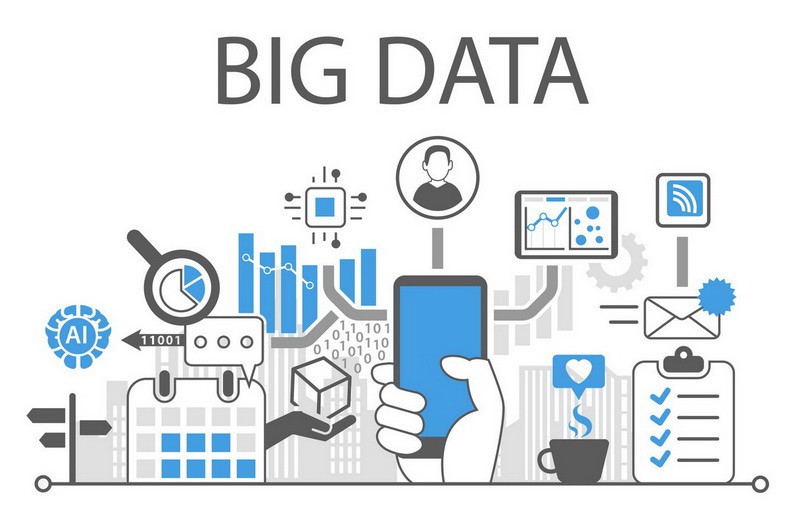
Big Data isn‘t monolithic; it‘s a complex, dynamic entity with multiple dimensions:
Volume: The Sheer Magnitude of Information
Modern organizations collect more data in a single day than entire civilizations accumulated in decades. Social media platforms, IoT devices, financial transactions, and scientific research contribute to this exponential data growth.
Velocity: The Speed of Data Generation
We‘re no longer dealing with batch processing or periodic updates. Today‘s data flows in real-time, with microsecond-level interactions generating instantaneous insights. Streaming analytics and edge computing have transformed how we perceive and process information.
Variety: The Diversity of Data Formats
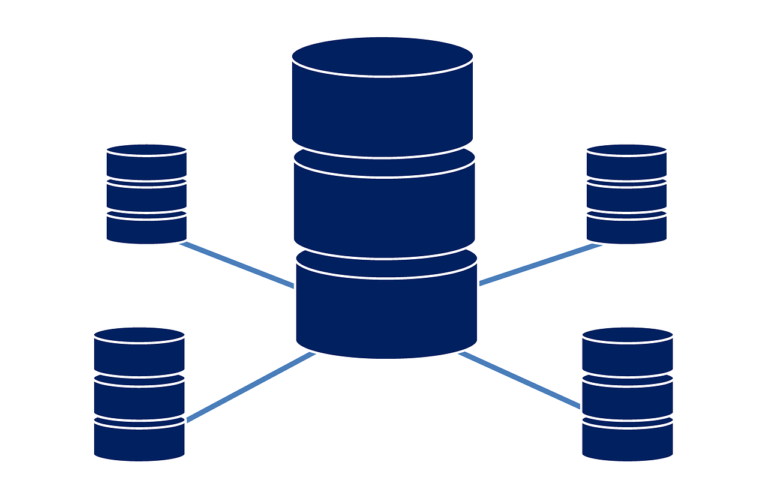
Big Data encompasses structured databases, unstructured social media posts, semi-structured log files, multimedia content, and complex sensor readings. This diversity demands sophisticated processing frameworks that can seamlessly integrate heterogeneous data sources.
Technological Architectures: The Backbone of Big Data
Cloud-Native Infrastructures
Modern Big Data ecosystems leverage cloud-native technologies that provide unprecedented scalability, flexibility, and computational power. Distributed computing frameworks like Apache Hadoop, Apache Spark, and Kubernetes have revolutionized data processing capabilities.
Machine Learning and Artificial Intelligence Integration
Machine learning algorithms serve as the neural network of Big Data, enabling predictive analytics, automated insights generation, and intelligent pattern recognition. These technologies transform raw data into actionable intelligence, bridging human intuition with computational precision.
Industry Transformations: Real-World Impact
Healthcare Revolution
In medical research, Big Data enables personalized treatment protocols, predictive diagnostics, and advanced epidemiological studies. Researchers can now analyze global health patterns, track disease progression, and develop targeted interventions with unprecedented accuracy.
Financial Services Metamorphosis
Financial institutions leverage Big Data for sophisticated risk management, fraud detection, and algorithmic trading strategies. Complex machine learning models can now predict market trends, assess credit risks, and optimize investment portfolios in real-time.
Manufacturing and Industrial Innovation
Predictive maintenance, supply chain optimization, and quality control have been dramatically transformed by Big Data technologies. Sensors embedded in industrial equipment generate continuous streams of performance data, enabling proactive management and significant cost reductions.
Ethical Considerations and Future Perspectives
The Human Element in Data Evolution
As we advance, it becomes crucial to recognize that Big Data is fundamentally a human story. It‘s about understanding collective behaviors, societal trends, and the intricate connections that define our shared experiences.
Privacy and Responsible Innovation
With great technological power comes significant ethical responsibility. Developing robust data governance frameworks, ensuring individual privacy, and maintaining transparent data practices are paramount in our ongoing digital transformation.
Conclusion: Embracing the Data-Driven Future
Big Data represents more than a technological trend—it‘s a profound reimagining of human potential. As we continue to explore this fascinating landscape, we‘re not just processing information; we‘re writing the next chapter of human innovation.
The journey of Big Data is our collective narrative—a story of curiosity, creativity, and the relentless human spirit of discovery.
Recommended Exploration Paths
- Develop data literacy
- Stay curious about technological advancements
- Embrace continuous learning
By understanding and strategically leveraging Big Data, you‘re not just adapting to technological change—you‘re actively shaping the future of human knowledge.