The Fascinating World of Google OAuth for MongoDB: A Journey Through Digital Identity
Prologue: A Tale of Digital Trust
Imagine walking into an ancient library, where manuscripts are guarded by intricate locks and vigilant librarians. Today‘s digital landscape mirrors this centuries-old ritual of authentication, but with exponentially more complexity. As someone who has navigated the labyrinthine world of technological security for decades, I‘m excited to unravel the mysteries of Google OAuth and MongoDB authentication.
The Evolution of Digital Identity
Long before computers, humans developed sophisticated methods of verifying identity. Seals, signatures, and personal tokens represented trust. In our digital realm, authentication has transformed from simple password systems to complex, intelligent networks of verification.
Understanding OAuth: More Than Just a Login Mechanism
OAuth 2.0 isn‘t merely a technical protocol; it‘s a philosophical approach to digital trust. Think of it as a sophisticated diplomatic passport system for the internet, where multiple parties negotiate secure access without revealing sensitive information.
The Architectural Symphony of Authentication
When you implement Google OAuth with MongoDB, you‘re conducting an intricate orchestra of technological components. Each element plays a crucial role:
- Identity Provider (Google): The trusted authority
- Service Provider (Your Application): The destination
- User: The central character in this authentication narrative
The OAuth Dance: A Choreographed Security Performance
Imagine authentication as an elegant waltz. The user initiates the dance by requesting access. Google, acting as the dance master, provides a temporary access token. Your MongoDB application graciously accepts this token, verifying its authenticity before granting entry.
Machine Learning: The Invisible Guardian
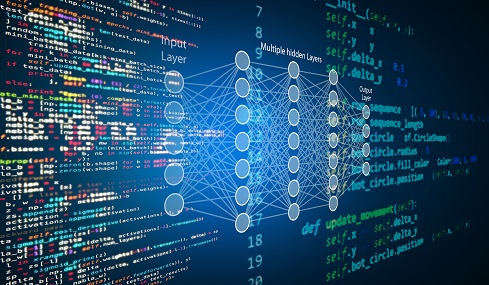
Modern authentication transcends traditional boundary checks. Machine learning algorithms continuously analyze login patterns, detecting anomalies with superhuman precision.
Predictive Risk Assessment
Neural networks can now predict potential security breaches before they occur. By analyzing thousands of login attempts, these intelligent systems develop an almost intuitive understanding of normal versus suspicious behavior.
Behavioral Biometrics: The Future of Authentication
Consider how you type, move your mouse, or interact with devices. These subtle nuances create a unique digital fingerprint. Machine learning algorithms can recognize these patterns, adding an invisible layer of security beyond traditional methods.
Implementing Google OAuth: A Practical Expedition
Let‘s embark on a comprehensive implementation journey that goes beyond mere code snippets.
Preparing Your Digital Landscape
Before diving into implementation, understand the ecosystem. MongoDB Atlas provides a robust, scalable database environment, while Google‘s authentication infrastructure offers enterprise-grade security.
Code Example: Advanced Authentication Middleware
const googleAuthStrategy = new GoogleStrategy({
    clientID: process.env.GOOGLE_CLIENT_ID,
    clientSecret: process.env.GOOGLE_CLIENT_SECRET,
    callbackURL: "/auth/google/callback"
}, async (accessToken, refreshToken, profile, done) => {
    // Intelligent user management
    const intelligentUserProcessing = await UserService.findOrCreateUser(profile);

    // Advanced logging and monitoring
    SecurityLogger.recordAuthentication(profile);

    return done(null, intelligentUserProcessing);
});
Security Considerations: Beyond Basic Implementations
Token Lifecycle Management
Tokens are not static entities but dynamic, time-sensitive credentials. Implement intelligent token rotation and revocation mechanisms that adapt to changing security landscapes.
The Human Element in Digital Security
While technology provides robust frameworks, human understanding remains paramount. Authentication isn‘t just about preventing unauthorized access; it‘s about creating seamless, trustworthy experiences.
Psychological Aspects of Digital Trust
Users seek simplicity and security. Google OAuth provides both by offering a familiar, streamlined authentication process that feels both secure and effortless.
Emerging Trends and Future Perspectives
Quantum Computing and Authentication
As quantum computing emerges, traditional cryptographic methods will face unprecedented challenges. Future authentication systems must evolve, developing quantum-resistant verification techniques.
Decentralized Identity Frameworks
Blockchain and distributed ledger technologies promise revolutionary approaches to digital identity, potentially transforming how we conceptualize authentication.
Real-World Performance Optimization
Intelligent Caching Strategies
const cachedUserAuthentication = (user) => {
    // Implement intelligent caching with time-based expiration
    const cachedToken = RedisCache.get(user.id);

    if (cachedToken && !isTokenExpired(cachedToken)) {
        return cachedToken;
    }

    // Generate and cache new token
    const newToken = generateSecureToken(user);
    RedisCache.set(user.id, newToken, CACHE_DURATION);

    return newToken;
};
Conclusion: The Continuous Journey of Digital Trust
Authentication is not a destination but an ongoing journey of adaptation, learning, and refinement. As technology evolves, so must our approaches to digital security.
Invitation to Exploration
I invite you to view authentication not as a technical hurdle but as an fascinating exploration of trust, technology, and human interaction.
Stay curious, stay secure! 🌐🔐